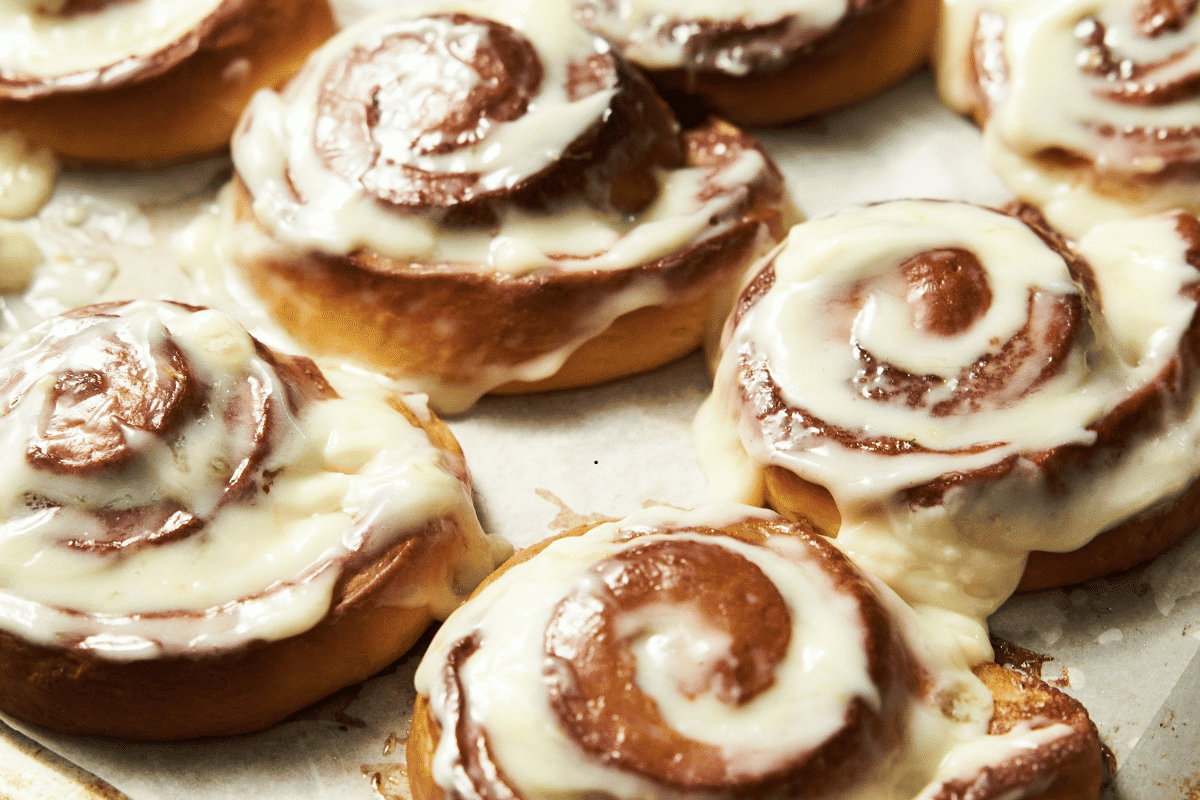
These soft and fluffy cinnamon rolls are everything you could want in a homemade breakfast treat. They’re buttery, perfectly swirled, incredibly tender, and topped with rich cream cheese frosting.
Whether you’re baking them for a holiday brunch or a cozy weekend breakfast, this recipe delivers bakery-style cinnamon rolls right from your own kitchen.
There are certain recipes that instantly make a house feel like home, and homemade cinnamon rolls are one of them.
The moment butter, cinnamon, and fresh dough begin baking, the kitchen fills with a warm aroma that invites everyone to slow down. Before long, someone is asking, “How much longer until they’re ready?”
For me, cinnamon rolls have always been more than just another baked treat.
They’re connected to slow weekend mornings, holiday breakfasts, and family gatherings where fresh coffee, fruit, and warm pastries are shared around the table.
I still remember the first time I decided to make cinnamon rolls completely from scratch.
Like many beginner bakers, I believed they were difficult to make. Every bakery displayed perfectly swirled cinnamon rolls topped with thick cream cheese frosting, and I assumed only professionals could create something that beautiful.
My first batch proved me wrong.
The rolls tasted good, but they weren’t soft. They were much heavier than I expected, and by the next morning they had already become dry.
They certainly weren’t the light, fluffy cinnamon rolls I had imagined.
Instead of giving up, I began learning what actually makes homemade cinnamon rolls successful.
Surprisingly, I discovered that baking isn’t always about complicated techniques. Often, it’s the smallest details that make the biggest difference.
- Giving the dough enough time to rise
- Using fresh yeast
- Avoiding too much flour
- Rolling the dough gently
- Preventing overbaking
Little by little, every batch became softer, lighter, and fluffier.
Eventually, I pulled a tray from the oven that looked exactly like the bakery versions.
- Golden brown
- Perfectly swirled
- Soft enough to pull apart with your hands
- Covered in silky cream cheese frosting that melted into every layer
That very first bite made every practice batch worthwhile.
Today, this recipe has become one of my family’s most requested breakfasts. We make it for Christmas morning, birthdays, brunches, and cozy weekends whenever we’re craving something homemade.
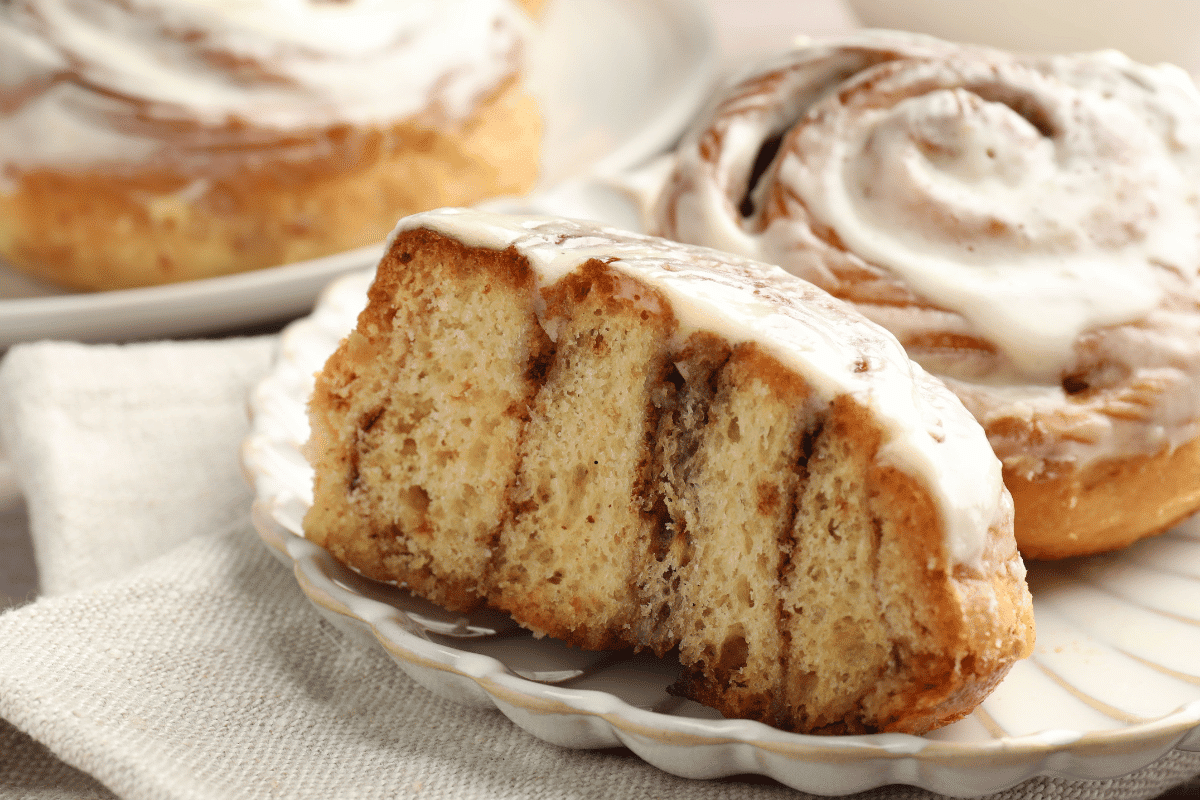
If you’ve been searching for soft and fluffy cinnamon rolls that stay tender, rise beautifully, and taste even better than the bakery, you’re in the right place.
This complete guide will teach you everything you need to know—even if it’s your first time baking with yeast.
Why You’ll Love These Soft and Fluffy Cinnamon Rolls
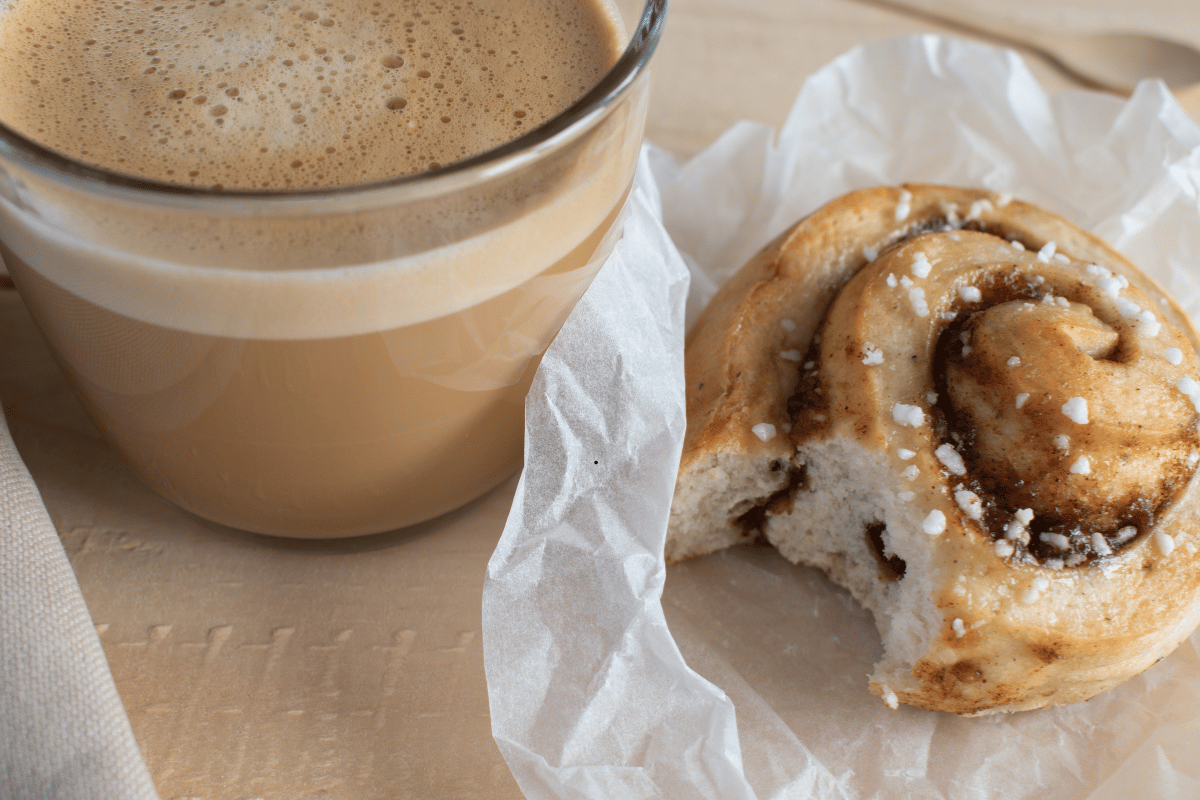
Not every cinnamon roll recipe delivers bakery-quality results.
Some turn out dry.
Others become dense after cooling.
However, this recipe is designed to stay incredibly soft from the very first bite to the last.
Here’s why you’ll love it:
- Soft, buttery dough with a light, fluffy texture
- Beautiful cinnamon swirls in every bite
- Rich cream cheese frosting that melts perfectly
- Perfect for breakfast, brunch, holidays, or dessert
- Dough can be prepared the night before
- Leftovers stay soft when stored correctly
Whether you’re baking for your family or bringing a tray to brunch, these homemade cinnamon rolls disappear quickly.
What Makes Cinnamon Rolls Soft and Fluffy?
One of the most common questions home bakers ask is:
Why aren’t my cinnamon rolls as soft as the bakery’s?
Fortunately, there isn’t a secret ingredient.
Instead, it’s all about understanding how enriched dough works.
Unlike ordinary bread dough, cinnamon roll dough contains:
- Butter
- Eggs
- Milk
- Sugar
Together, these ingredients create a softer texture and richer flavor.
Yeast is equally important.
As the dough rises, yeast creates thousands of tiny air pockets that make each roll light and fluffy.
If the dough doesn’t have enough time to rise, those air pockets never fully develop.
As a result, your cinnamon rolls become dense instead of soft.
Another common mistake is adding too much flour.
Many beginner bakers think sticky dough is a problem.
In reality, slightly sticky dough usually produces the softest cinnamon rolls after baking.
Finally, timing matters.
Removing the rolls from the oven while they’re lightly golden helps preserve moisture. They’ll continue cooking slightly after coming out of the oven, so overbaking can quickly dry them out.
When all of these small details come together, the result is exactly what every baker wants:
- Soft
- Light
- Pillowy cinnamon rolls with a buttery cinnamon filling
Soft and Fluffy Cinnamon Rolls
Ingredients
Method
- Prepare the Dough
- In a large bowl, combine the warm milk, yeast, and sugar. Let it sit for 5–10 minutes until foamy.
- Add the eggs, melted butter, and salt, then mix until combined.
- Gradually add the flour until a soft dough forms.
- Knead the dough for 8–10 minutes until smooth and elastic.
- Place the dough in a lightly greased bowl, cover, and let it rise in a warm place until doubled in size, about 1 to 1½ hours.
- Make the Filling
- In a small bowl, combine the brown sugar and cinnamon.
- Shape the Rolls
- Punch down the risen dough and roll it into a rectangle about 16×12 inches.
- Spread the softened butter evenly over the dough.
- Sprinkle the cinnamon-sugar mixture evenly over the butter.
- Roll the dough tightly from the long side into a log.
- Slice into 12 equal rolls using a sharp knife or unflavored dental floss.
- Arrange the rolls in a greased 9×13-inch baking dish.
- Cover and let them rise again for 30–45 minutes until puffy.
- Bake
- Preheat the oven to 350°F (175°C).
- Bake for 22–25 minutes or until the tops are lightly golden.
- Remove from the oven and allow them to cool for about 10 minutes.
- Make the Frosting
- Beat the cream cheese and butter until smooth.
- Add the powdered sugar and vanilla extract, mixing until creamy.
- Add milk if needed to reach your desired consistency.
- Spread the frosting over the warm cinnamon rolls and serve.
Notes
- Homemade cinnamon rolls reward patience. Giving the dough enough time to rise is one of the most important steps for achieving a light, fluffy texture. If your kitchen is cool, place the covered dough in a warm, draft-free area to help it rise properly.
- Avoid adding too much flour while kneading. The dough should feel soft and slightly tacky, not dry. Too much flour is one of the most common reasons cinnamon rolls become dense instead of pillowy.
- For the richest flavor, use fresh cinnamon and real butter. These simple ingredients make a noticeable difference in the finished rolls.
- Use unflavored dental floss or a very sharp knife to slice the rolled dough. This helps keep the beautiful swirls intact without flattening the rolls.
- Bake only until the tops are lightly golden. Overbaking can dry out the rolls, so check them during the last few minutes of baking.
- Allow the rolls to cool for about 10 minutes before adding the frosting. This lets the frosting melt gently into every swirl while still keeping its creamy texture.
- Store leftover cinnamon rolls in an airtight container at room temperature for up to 2 days or refrigerate for up to 5 days. Warm them for 15–20 seconds in the microwave before serving to bring back their soft, fresh-baked texture.
- These cinnamon rolls freeze well. Wrap individual rolls tightly and freeze for up to 3 months. Thaw overnight in the refrigerator or at room temperature, then warm before serving.
Delicious Ways to Customise Your Cinnamon Rolls
One of the things I love most about homemade cinnamon rolls is how easy they are to personalise.
Once you’ve mastered the classic recipe, you can create exciting variations with just a few simple additions.
Add Nuts for Extra Crunch
For a delicious crunch, sprinkle chopped pecans or walnuts over the cinnamon filling before rolling the dough.
The toasted nuts add texture and pair beautifully with the warm cinnamon flavour.
Try Fresh or Dried Fruit
If you enjoy fruity flavours, consider adding:
- Raisins
- Chopped apples
- Dried cranberries
- Chopped dates
These ingredients add natural sweetness and a little extra texture to every bite.
Make Them Chocolatey
Chocolate lovers can scatter mini chocolate chips over the filling before rolling up the dough.
The chocolate melts while baking, creating an irresistible dessert-inspired cinnamon roll.
Add Seasonal Flavours
During the fall, a little pumpkin pie spice blends beautifully with the cinnamon.
For the holidays, fresh orange zest adds a bright citrus flavour that complements the sweet filling perfectly.
Drizzle with Caramel
For an extra indulgent treat, drizzle warm caramel sauce over the cream cheese frosting and finish with toasted pecans.
It’s perfect for special occasions or holiday brunches.
No matter which variation you choose, this soft and fluffy cinnamon roll recipe is easy to customise throughout the year.

The Best Frosting for Cinnamon Rolls
Ask ten people what makes the perfect cinnamon roll, and you’ll probably hear ten different answers.
Some will say It’s the dough.
Others will say it’s the cinnamon filling.
For me, it’s the frosting.
A good frosting shouldn’t overpower the cinnamon rolls—it should complement them.
Cream Cheese Frosting
Cream cheese frosting remains the most popular choice because its slight tanginess balances the sweetness of the rolls beautifully.
As it melts into the warm swirls, it creates the creamy finish that most people associate with bakery-style cinnamon rolls.
Vanilla Glaze
If you prefer something lighter, a simple vanilla glaze is another excellent option.
It adds sweetness without covering the rich cinnamon flavor.
When Should You Frost Cinnamon Rolls?
The best time to frost cinnamon rolls is while they’re still warm.
The gentle heat allows the frosting to melt into every layer, making each bite soft, creamy, and absolutely irresistible.
Make-Ahead Tips for Stress-Free Mornings
One of the reasons I return to this cinnamon roll recipe again and again is that it fits into real life.
As much as I enjoy baking, there are mornings when I simply don’t have several hours to spend in the kitchen.
That’s where make-ahead preparation becomes a game changer.
Prepare the Dough the Night Before
You can prepare the dough the evening before serving.
Simply mix the dough, allow it to complete its first rise, shape the rolls, and arrange them in your baking dish.
Cover the dish tightly and refrigerate overnight.
The next morning, remove the rolls from the refrigerator and allow them to come to room temperature while the oven preheats.
This simple step makes holiday mornings and weekend breakfasts much more relaxing.
Perfect for Entertaining
If you’re hosting family or friends, preparing the rolls ahead of time means you’ll spend less time baking and more time enjoying your guests.
Instead of measuring ingredients early in the morning, you’ll simply bake, frost, and serve.
It’s one of the easiest ways to enjoy homemade cinnamon rolls without feeling rushed.
You May Also Like: Planning a cozy weekend menu? Pair these cinnamon rolls with my Creamy Coconut Salmon Curry for an easy homemade dinner later in the day, followed by a relaxing family evening.
How to Store Cinnamon Rolls So They Stay Soft
There’s nothing more disappointing than waking up the next day to cinnamon rolls that have become dry and firm.
Fortunately, proper storage helps preserve their soft texture.
Let Them Cool First
Allow the cinnamon rolls to cool completely before storing them.
Placing warm rolls into an airtight container traps excess moisture, which can affect both the texture and the frosting.
Store in an Airtight Container
Once cooled, transfer the rolls to an airtight container or cover the baking dish tightly with plastic wrap or aluminum foil.
They’ll stay fresh at room temperature for up to 2 days.
If you’d like them to last longer, refrigerate them for up to 5 days.
Although chilled cinnamon rolls become slightly firmer, reheating them restores much of their original softness.
Store Frosting Separately
Whenever possible, frost only the cinnamon rolls you’ll be serving immediately.
Keeping extra frosting separate allows you to add a fresh layer after reheating, giving leftover rolls that freshly baked taste and appearance.
Wondering how to store other homemade foods? My guide on Can You Freeze Cooked Rice? The Best Way to Store and Reheat It shares simple storage and reheating tips that can help reduce food waste in your kitchen.
Can You Freeze Cinnamon Rolls?
Absolutely!
In fact, soft and fluffy cinnamon rolls freeze surprisingly well, making them one of my favorite recipes to prepare in advance.
Whether you’re meal prepping or getting ready for the holidays, freezing cinnamon rolls is a great way to enjoy fresh homemade treats whenever the craving strikes.
Freeze Before Baking
If you’d like to freeze the rolls before baking, shape them as directed and arrange them in your baking dish.
Cover the dish tightly with plastic wrap and aluminum foil before placing it in the freezer.
When you’re ready to bake, transfer the rolls to the refrigerator overnight to thaw. Then let them come to room temperature and complete their second rise before baking as usual.
Freeze After Baking
Already baked cinnamon rolls also freeze beautifully.
Allow them to cool completely before wrapping each roll individually with plastic wrap. Place the wrapped rolls in a freezer-safe bag or airtight container.
Freezing them individually makes it easy to thaw only the number of rolls you need.
They’ll maintain their best quality for up to 3 months in the freezer.
The Best Way to Reheat Cinnamon Rolls
Reheating cinnamon rolls the right way helps restore their soft texture and creamy frosting.
Instead of rushing the process, warm them gently so they taste almost as fresh as the day they were baked.
Microwave Method
For individual servings, place one cinnamon roll on a microwave-safe plate.
Heat for 15 to 25 seconds, depending on your microwave.
If the roll seems a little dry, cover it with a damp paper towel before reheating to help retain moisture.
Oven Method
If you’re serving several cinnamon rolls, the oven is the better option.
Arrange the rolls in a baking dish and cover loosely with aluminum foil.
Warm them in a 325°F (163°C) oven for about 10–15 minutes, or until heated through.
This method keeps the rolls soft while warming them evenly.
Add Fresh Frosting
For an extra indulgent treat, spread a little fresh cream cheese frosting over the warm rolls before serving.
You can also add a small pat of butter for even more richness.
What to Serve with Cinnamon Rolls
Although homemade cinnamon rolls are delicious on their own, pairing them with other breakfast favorites creates a complete and satisfying meal.
Here are a few delicious serving ideas.
Fresh Fruit
Fresh berries, sliced oranges, grapes, or melon provide a refreshing contrast to the rich cinnamon filling.
The natural sweetness of fruit balances the richness of the rolls perfectly.
Eggs
Scrambled eggs, fried eggs, or a fluffy omelet add protein and help create a more balanced breakfast or brunch.
Greek Yogurt
A bowl of Greek yogurt topped with fresh berries and a drizzle of honey pairs wonderfully with warm cinnamon rolls.
Hot Beverages
No cinnamon roll breakfast feels complete without a comforting drink.
Popular choices include:
- Freshly brewed coffee
- Hot tea
- Hot chocolate
- Chai latte
- Vanilla latte
- Cappuccino
Build a Brunch Spread
For holidays or family gatherings, serve your cinnamon rolls alongside:
- Fresh fruit salad
- Breakfast casserole
- Scrambled eggs
- Crispy bacon or breakfast sausage
- Orange juice or fresh lemonade
It’s a simple way to create a brunch that everyone will enjoy.
Why This Recipe Works Every Time
Every great recipe has a reason behind its success, and this one is no exception.
Rather than relying on complicated techniques, it focuses on simple baking principles that consistently produce excellent results.
Here’s why these homemade cinnamon rolls turn out perfectly every time:
- The dough stays soft because it isn’t overloaded with flour.
- Butter, milk, and eggs create a rich, tender texture.
- The cinnamon filling is flavorful without being overly sweet.
- Proper rising time creates a light and fluffy interior.
- Gentle baking keeps the rolls moist while giving them a lightly golden top.
- Cream cheese frosting melts beautifully into every swirl.
Perhaps the best part is how easy it is to make this recipe your own.
Whether you enjoy extra cinnamon, a thicker layer of frosting, chopped nuts, chocolate chips, or seasonal spices, the recipe provides a reliable foundation for endless variations.
That’s exactly why these soft and fluffy cinnamon rolls have become a favorite in so many kitchens.
If homemade comfort food is your favorite, be sure to browse my collection of 15 Easy Comfort Food Recipes for Cozy Homemade Meals for more delicious recipes you’ll want to make again and again.
Final Thoughts
Some recipes come and go with changing food trends, but cinnamon rolls have remained a favorite for generations.
There’s something timeless about homemade dough, warm cinnamon, and sweet frosting shared around a breakfast table.
It’s more than just a recipe.
It’s the excitement of watching dough rise for the first time.
And It’s children peeking through the oven door, waiting for the rolls to turn golden.
Also It’s friends gathering over coffee, reaching for “just one more.”
And it’s the quiet satisfaction of baking something from scratch that brings genuine joy to the people you love.
Whether you’re making these cinnamon rolls for a holiday celebration, a weekend breakfast, or simply because you’re craving something homemade, I hope this recipe becomes one you’ll return to again and again.
Don’t worry if your first batch isn’t picture-perfect.
Every baker starts somewhere, and each batch teaches you something new.
With a little patience, fresh ingredients, and the tips you’ve learned throughout this guide, you’ll soon be pulling soft and fluffy cinnamon rolls from your own oven that rival those from your favorite bakery.
When you do, don’t be surprised if everyone asks for the recipe.
Sometimes the simplest homemade treats become the ones people remember the most.
Amity Nwoye is the creator of amybenblog, where she shares easy recipes, practical cooking tips, meal planning ideas, and money-saving kitchen hacks. She is passionate about helping home cooks prepare delicious meals with confidence, whether they’re beginners or experienced in the kitchen. Through simple, family-friendly advice, Amity makes cooking more enjoyable, affordable, and stress-free.