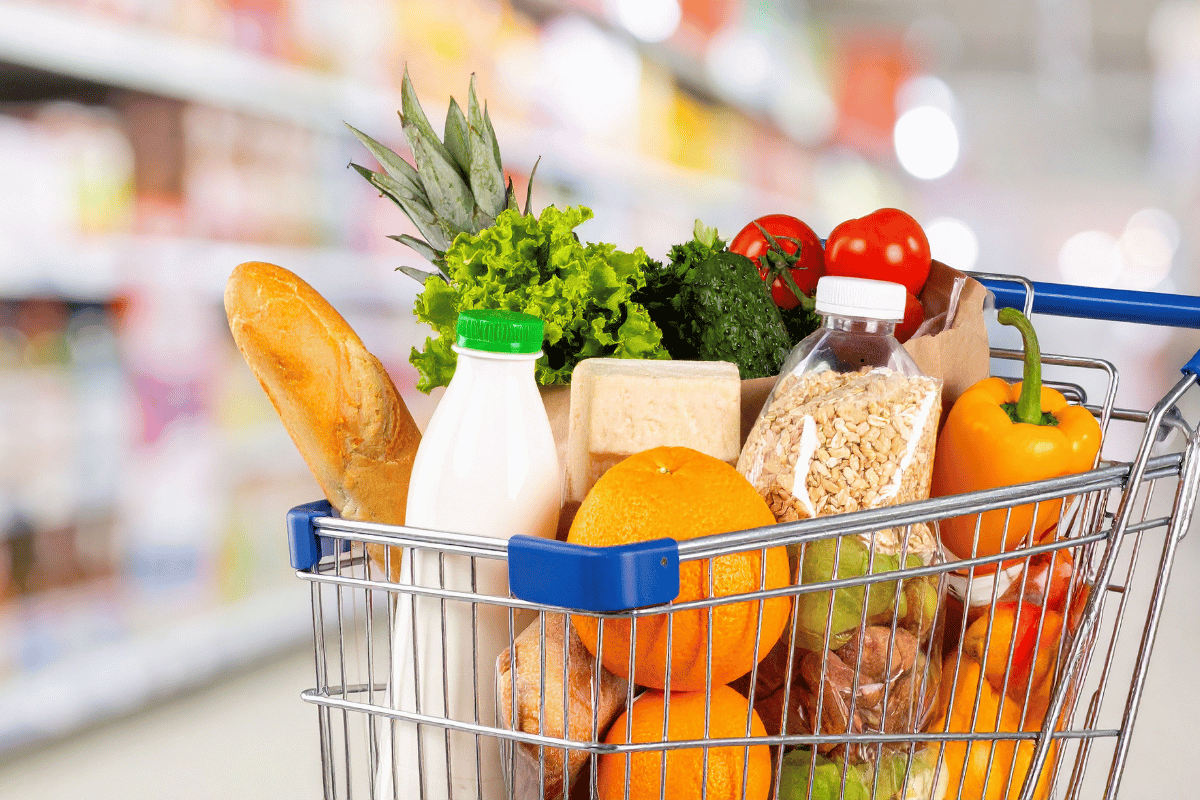
Grocery shopping tips on a budget doesn’t mean you have to sacrifice healthy meals. With the right planning and smart shopping habits, you can prepare nutritious, homemade meals while keeping your grocery expenses under control.
Have you ever walked into a grocery store with a budget in mind but somehow ended up spending much more than you planned? I know that feeling all too well.
Grocery shopping has become more expensive over the years, and there have been times when I wondered how to keep serving healthy, homemade meals without stretching my budget too far.
As a mum who enjoys cooking for my family, I’ve learned that eating healthy doesn’t always mean buying the most expensive foods. In fact, some of the healthiest meals I prepare are made with simple, affordable ingredients.
A pot of fresh tomato stew, a vegetable stir-fry, or a hearty bean dish can feed my family without emptying my wallet.
One habit that has helped me the most is planning before I shop. I no longer walk into a supermarket or local market hoping inspiration will strike. Instead, I go with a purpose.
That simple change has saved me money, reduced food waste, and made cooking much less stressful.
If you’re looking for grocery shopping tips that help you eat well while staying within your budget, this guide will show you exactly how.
Why Shopping on a Budget Doesn’t Mean Eating Poorly
Many people believe healthy eating is only for those with large grocery budgets. While some specialty foods can be expensive, nutritious meals don’t have to cost a fortune.
Healthy eating is about choosing wholesome foods, preparing balanced meals, and making smart purchasing decisions. Fresh fruits, vegetables, beans, rice, oats, eggs, and seasonal produce are often affordable and can be turned into delicious meals.
I’ve discovered that when I focus on buying ingredients instead of heavily processed foods, I spend less and cook meals my family genuinely enjoys.
The goal
isn’t to buy everything you see, it’s to buy what your family truly needs while making every naira or dollar count.
15 Smart Grocery Shopping Tips to Save Money and Eat Healthy
1. Plan Your Meals Before You Go Shopping
This is probably the biggest money-saving habit I’ve developed.
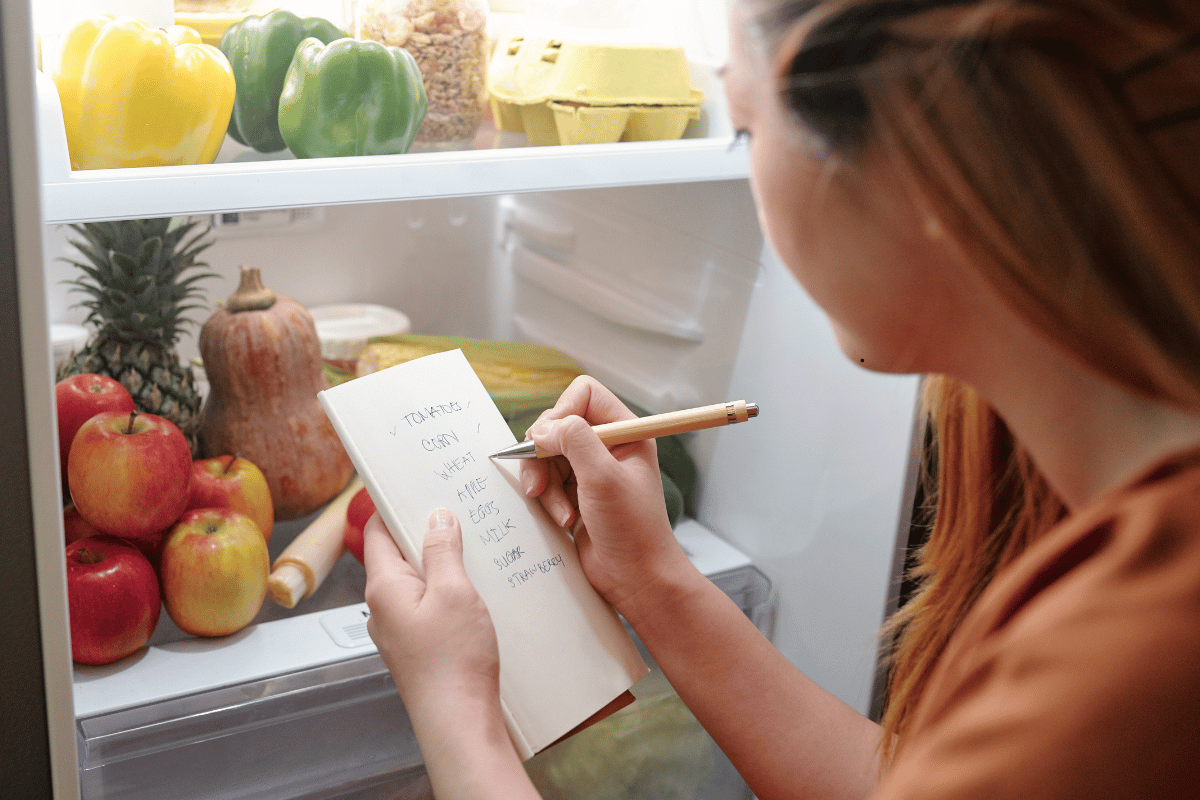
Before leaving home, I decide what meals I’ll prepare for the coming week. Having a meal plan prevents me from buying ingredients I won’t use.
For example, if I already know I’ll be making:
- Fresh tomato stew
- Chicken stir-fry
- Homemade bread
- Vegetable soup
I only buy the ingredients needed for those meals.
Planning ahead also helps me avoid the daily question:
“What are we eating today?”
A simple meal plan saves both time and money.
If you’re looking for more ways to stay organized in the kitchen, don’t miss my Meal Prep Ideas for Busy Families, where I share simple strategies for preparing meals ahead of time.
2. Check Your Kitchen Before Making a Grocery List
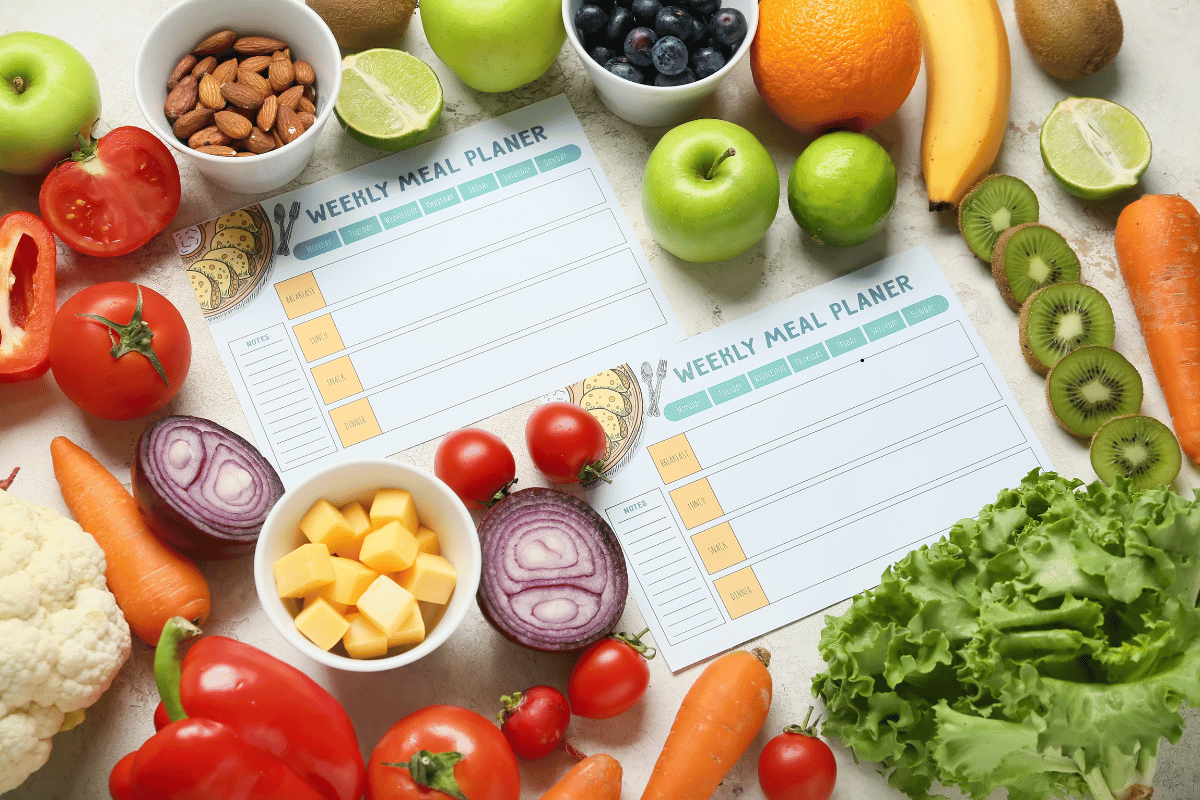
One mistake many people make is buying ingredients they already have.
Before writing my shopping list, I always check my:
- Refrigerator
- Freezer
- Kitchen cabinets
Sometimes I discover onions, rice, pasta, spices, or canned foods I completely forgot were there.
Checking what you already have prevents duplicate purchases and reduces food waste.
3. Always Shop with a Grocery List
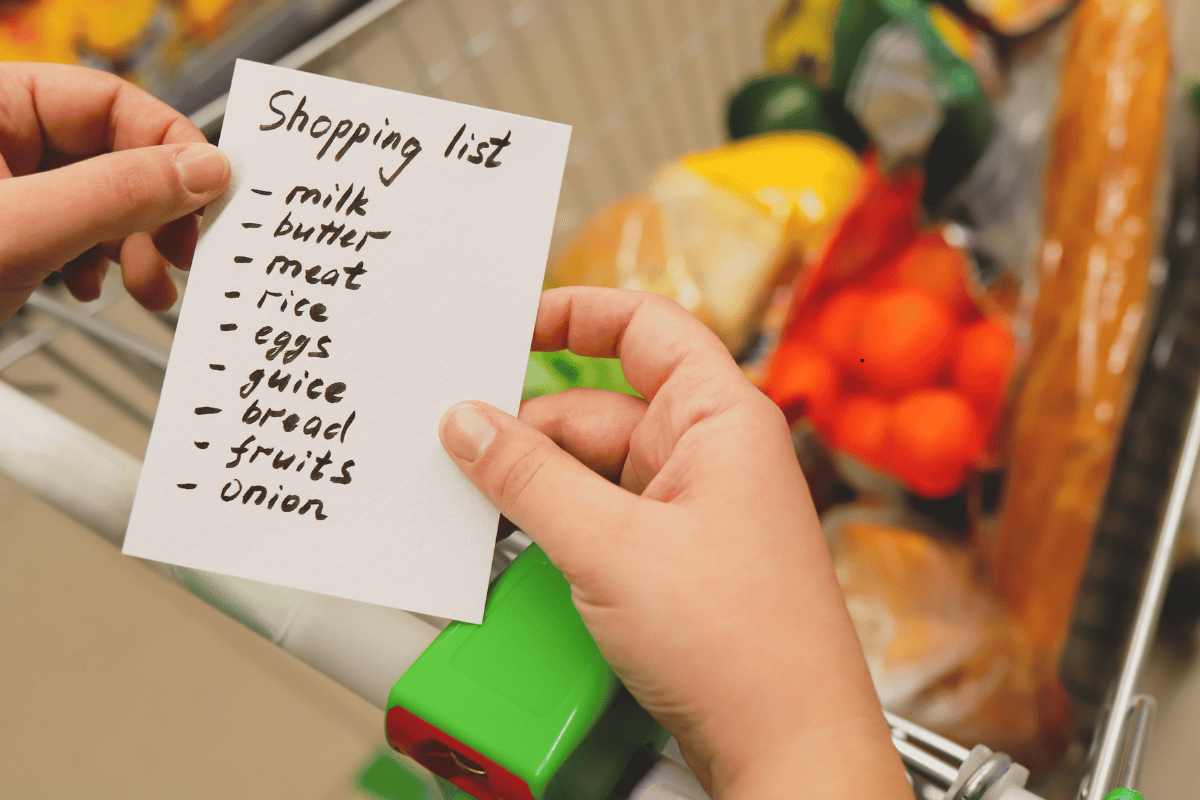
Walking into a supermarket without a shopping list is one of the easiest ways to overspend.
A shopping list keeps you focused.
I usually organize mine into categories:
- Fruits and vegetables
- Protein
- Grains
- Dairy
- Pantry items
- Snacks
This makes shopping quicker and helps me resist impulse purchases.
These grocery shopping tips may seem simple, but they can make a big difference over time.
4. Never Shop When You’re Hungry
This tip sounds simple, but it truly works.
Whenever I grocery shop on an empty stomach, everything suddenly looks delicious.
I end up reaching for:
- Chocolates
- Biscuits
- Soft drinks
- Snacks
Shopping after eating helps you stick to your grocery budget instead of shopping with your appetite.
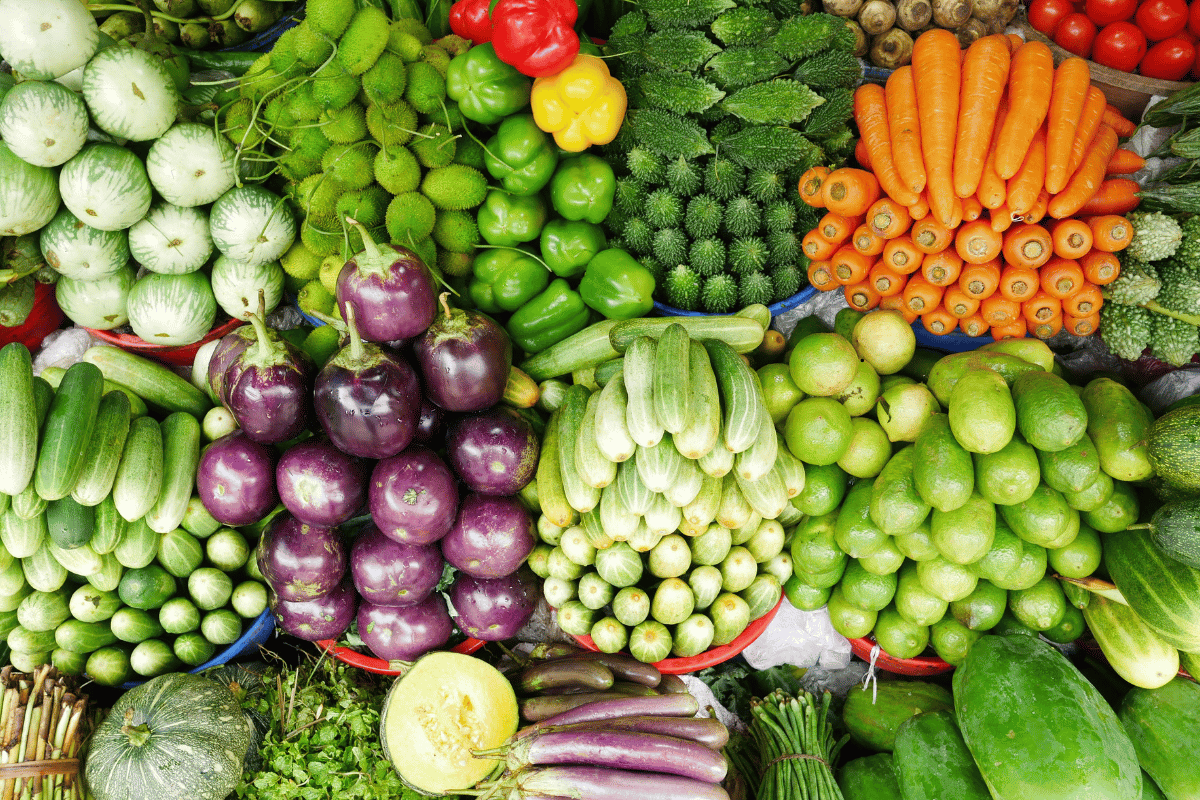
5. Buy Seasonal Fruits and Vegetables
Seasonal produce is usually:
- Fresher
- More affordable
- Better tasting
When tomatoes are in season, I buy enough for my weekly cooking because the quality is excellent and prices are lower.
The same applies to many fruits and vegetables.
6. Compare Prices Before Buying
Prices often vary between stores.
Sometimes my local market has better prices on fresh produce, while supermarkets offer better deals on packaged goods.
You don’t need to visit several stores every week, but comparing prices can save a surprising amount over time.
7. Buy Pantry Staples in Bulk
Certain foods last for months when stored properly.
Examples include:
- Rice
- Beans
- Oats
- Flour
- Pasta
- Dried spices
Buying these items in bulk often reduces the cost per serving.
However, only buy in bulk if you’re sure your family will use everything before it expires.
Following these grocery shopping tips has helped me save money while keeping my pantry stocked.
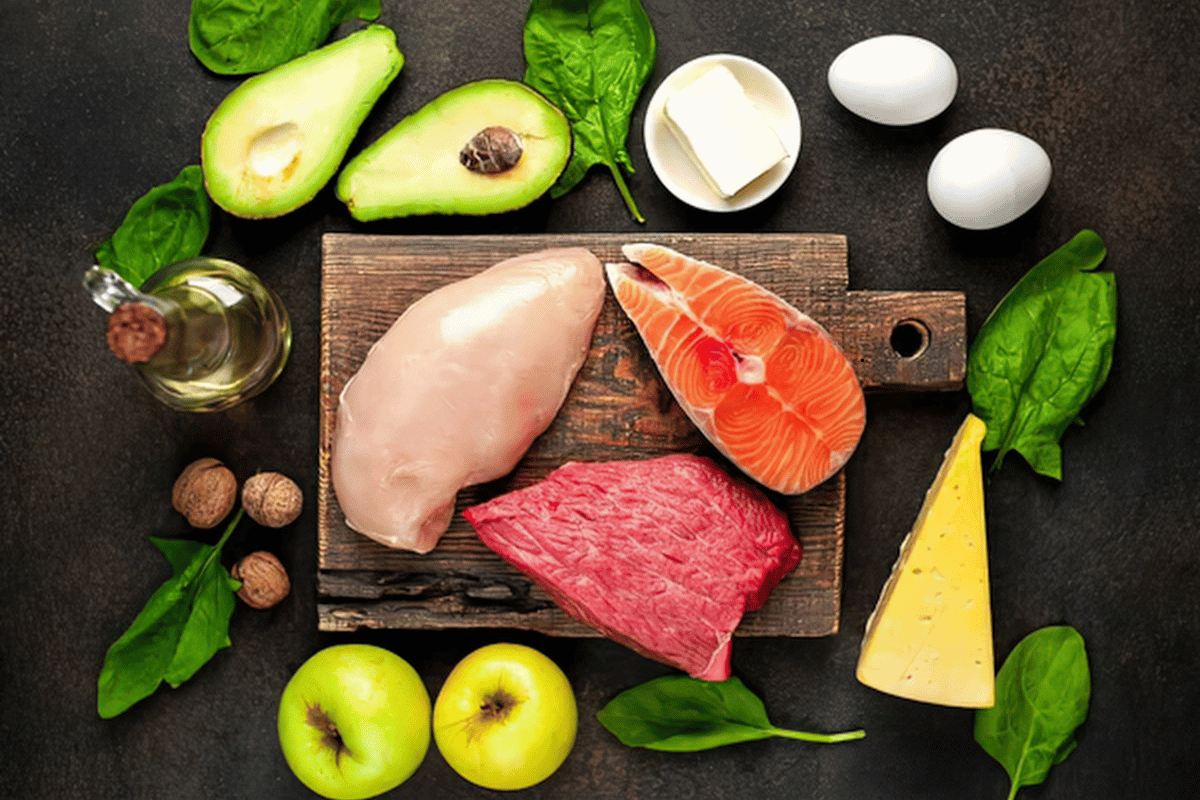
8. Choose Affordable Sources of Protein
Protein doesn’t always have to come from expensive cuts of meat.
Some affordable options include:
- Eggs
- Beans
- Lentils
- Sardines
- Chicken
- Goat meat (when available at a good price)
- Peanut butter
I enjoy rotating different protein sources throughout the week. It saves money while adding variety to our meals.
One of my favourite budget-friendly meals is my Fresh Akidi and Achicha Recipe, which combines affordable ingredients into a delicious and filling family meal.
9. Consider Store Brands Instead of Name Brands
Many store-brand products offer similar quality at a much lower price.
Compare the nutrition labels on products like:
- Oats
- Flour
- Pasta
- Dairy products
- Canned vegetables
Don’t pay more simply because a product has a familiar brand name.
10. Learn to Read Nutrition Labels
Reading food labels has become one of my healthiest grocery shopping habits.
Instead of only looking at the front of the package, I check:
- Nutrition facts
- Ingredient list
- Sugar content
- Sodium
- Unhealthy fats
This helps me choose healthier foods for my family.
You can learn how to read food labels correctly by visiting the U.S. Food & Drug Administration (FDA) guide on Nutrition Facts labels.
11. Reduce Food Waste by Storing Food Properly
Throwing away spoiled food is like throwing away money.
I try to:
- Refrigerate fresh herbs
- Store dry foods in airtight containers
- Refrigerate leftovers promptly
- Rotate older pantry items to the front
Making the most of every grocery purchase helps stretch the family budget.
12. Keep Healthy Snacks at Home
Healthy snacks don’t have to be expensive.
Some of my favourites include:
- Fresh fruit
- Yogurt
- Popcorn
- Peanuts
- Boiled eggs
- Homemade snacks
These options are healthier and usually much cheaper than highly processed snacks.
13. Cook More Meals at Home
One of the biggest money-saving decisions I’ve made is cooking more meals at home.
Home cooking allows you to control:
- Ingredients
- Portion sizes
- Cost
A homemade meal is usually cheaper than takeout, and leftovers can provide another meal the next day.
Cooking has also become a wonderful way to spend quality time with my family. My children enjoy helping in the kitchen, and those moments have become some of my favourite memories.
One quick meal my family enjoys is this Easy Chicken and Vegetable Stir-Fry Recipe for Busy Weeknights, which comes together in no time.
14. Make Leftovers Work for You
Leftovers are not something to avoid—they’re an opportunity.
Whenever I prepare a large pot of stew or soup, I intentionally cook enough for another meal.
For example, my budget-friendly Nigerian fresh tomato stew often lasts several days. During the week, I simply cook fresh rice or boiled yam, warm the stew, and dinner is ready in minutes.
This reduces food waste, saves cooking time, and helps avoid expensive takeout.
15. Focus on Nutritious Meals, Not Expensive Ingredients
One of the biggest lessons I’ve learned is that healthy meals don’t require expensive ingredients.
Simple foods like:
- Tomatoes
- Onions
- Garlic
- Ginger
- Beans
- Eggs
- Oats
- Vegetables
- Rice
- Seasonal fruits
can provide excellent nutrition when combined into balanced meals.
Healthy eating is about consistency, not perfection.
How to Save Money on Groceries During Rising Food Prices
When grocery prices increase, it’s easy to feel like healthy eating is out of reach. However, a few simple adjustments can help you stay within your budget without sacrificing nutrition.
One strategy I use is becoming more flexible with my meal plan. If chicken is expensive this week, I might prepare a bean dish or use eggs instead. If tomatoes are costly, I buy seasonal vegetables that offer better value.
I also keep a small list of budget-friendly meals that my family enjoys, such as beans and rice, vegetable stir-fry, homemade soups, and pasta dishes. Having these go-to recipes makes it easier to adjust my shopping list based on current prices.
Another helpful habit is stocking up on pantry staples whenever they’re on sale. Buying rice, beans, oats, or pasta at a discounted price can reduce future grocery costs, especially when prices continue to rise.
Remember, shopping on a budget isn’t about buying less food—it’s about making smarter choices with the money you have. Being flexible and planning ahead can help you continue serving healthy, satisfying meals even during times of rising food costs.
My Personal Grocery Shopping Routine
Over time, grocery shopping has become less stressful because I follow a simple routine.
Every week, I begin by planning what my family will eat. I check my refrigerator and pantry before writing my shopping list, making sure I only buy what we truly need.
Whenever possible, I buy seasonal fruits and vegetables because they’re usually more affordable and taste better. I also prepare meals in larger quantities, especially on Sundays, so I have food ready for busy weekdays.
This routine has helped me save money while ensuring my family always has wholesome homemade meals to enjoy.
I’ve realised that smart grocery shopping isn’t about spending the least amount of money—it’s about spending wisely and making every purchase count.
Let’s Make Grocery Shopping Smarter Together
Eating healthy on a budget is possible with a little planning and smart decision-making.
Small habits like:
- Planning your meals
- Making a grocery list
- Buying seasonal produce
- Choosing affordable proteins
- Reducing food waste
can make a noticeable difference over time.
I hope these grocery shopping tips inspire you to make your next shopping trip more organized, affordable, and stress-free.
I’d love to hear from you!
What are your favourite ways to save money on groceries while still preparing healthy meals?
Share your best tips in the comments below so we can all learn from one another.
If you found this article helpful, please share it with your family and friends. You can also explore more recipes, cooking tips, and meal-planning ideas here on AmyBenBlog.com.
Together, let’s continue making delicious, nutritious meals without breaking the budget.

Amity Nwoye is the creator of amybenblog, where she shares easy recipes, practical cooking tips, meal planning ideas, and money-saving kitchen hacks. She is passionate about helping home cooks prepare delicious meals with confidence, whether they’re beginners or experienced in the kitchen. Through simple, family-friendly advice, Amity makes cooking more enjoyable, affordable, and stress-free.