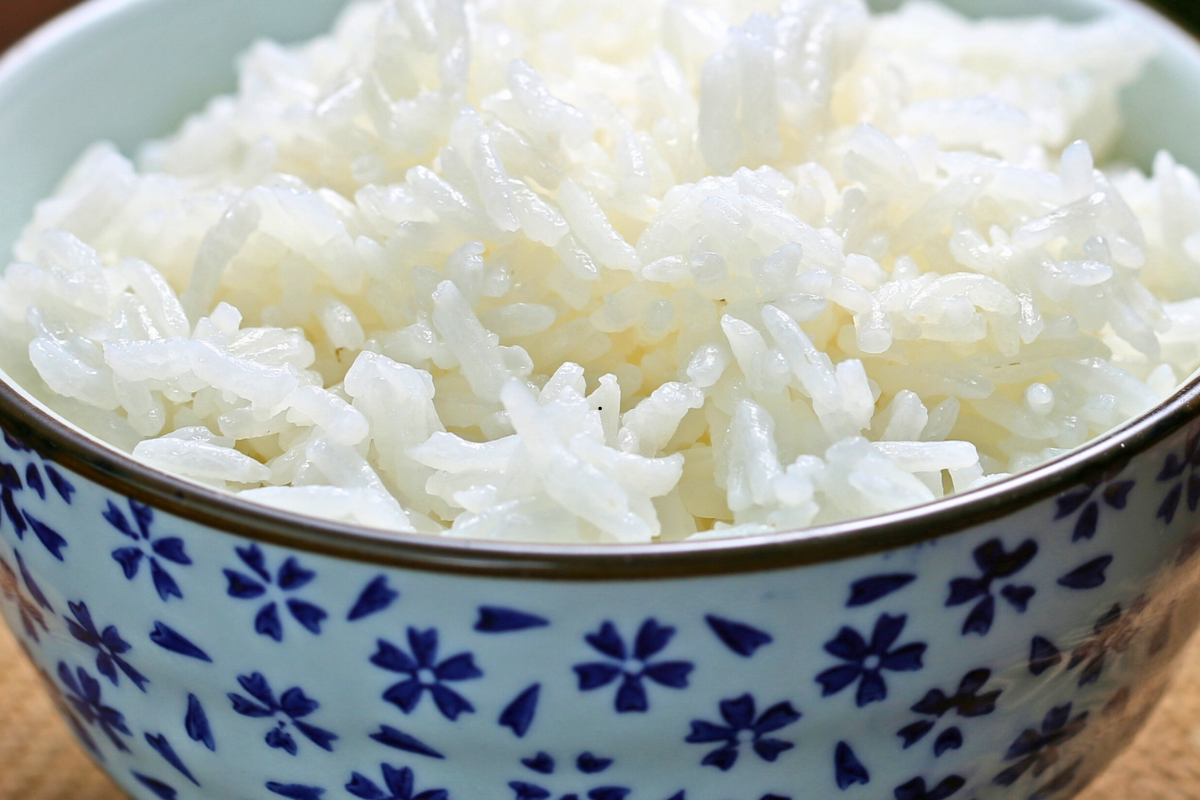
Few kitchen frustrations are as disappointing as asking yourself, “Why is my rice mushy?” after spending time preparing a meal only to discover that your rice has turned into a soft, sticky mess.
You followed the instructions.
Measured the ingredients.
Waited patiently.
Then you lift the lid and instead of fluffy rice, you’re staring at a pot of mushy rice.
If this has happened to you, don’t worry. You’re not alone.
In fact, one of the most common cooking questions people ask is: “Why is my rice mushy?”
The good news is that mushy rice is usually caused by a few simple mistakes, and once you understand what went wrong, it’s surprisingly easy to prevent it from happening again.
Whether you’re making white rice, jasmine rice, basmati rice, brown rice, or rice for meal prep, this guide will help you identify the problem and learn how to cook perfect rice every time.
Quick Answer: Why Is My Rice Mushy?
The most common reason rice becomes mushy is that it absorbs too much water. However, using the wrong rice-to-water ratio isn’t the only possible cause. Overcooking, excessive stirring, rinsing incorrectly, and skipping the resting period can also affect the texture.
If your rice is already mushy, don’t throw it away immediately. Slightly mushy rice can sometimes be dried out, while very soft rice can be repurposed into another dish.
If you enjoy cooking rice-based meals, be sure to check out my Restaurant Style Fried Rice at Home guide, where I share simple techniques for making takeout-style fried rice using leftover rice.
Why Is My Rice Mushy? Understanding the Problem
Rice becomes mushy when it absorbs too much moisture or cooks for too long. In most cases, this happens because of a few common cooking mistakes.
Instead of remaining light and fluffy, the grains break down and become soft, sticky, and clumped together.
Think of rice like a sponge.
When it absorbs the right amount of water, it becomes tender.
When it absorbs too much water, it becomes overly soft and loses its texture.
Understanding this simple concept helps explain most rice cooking problems.
Common Reasons Why Your Rice Is Mushy
Let’s look at the biggest reasons rice turns mushy.
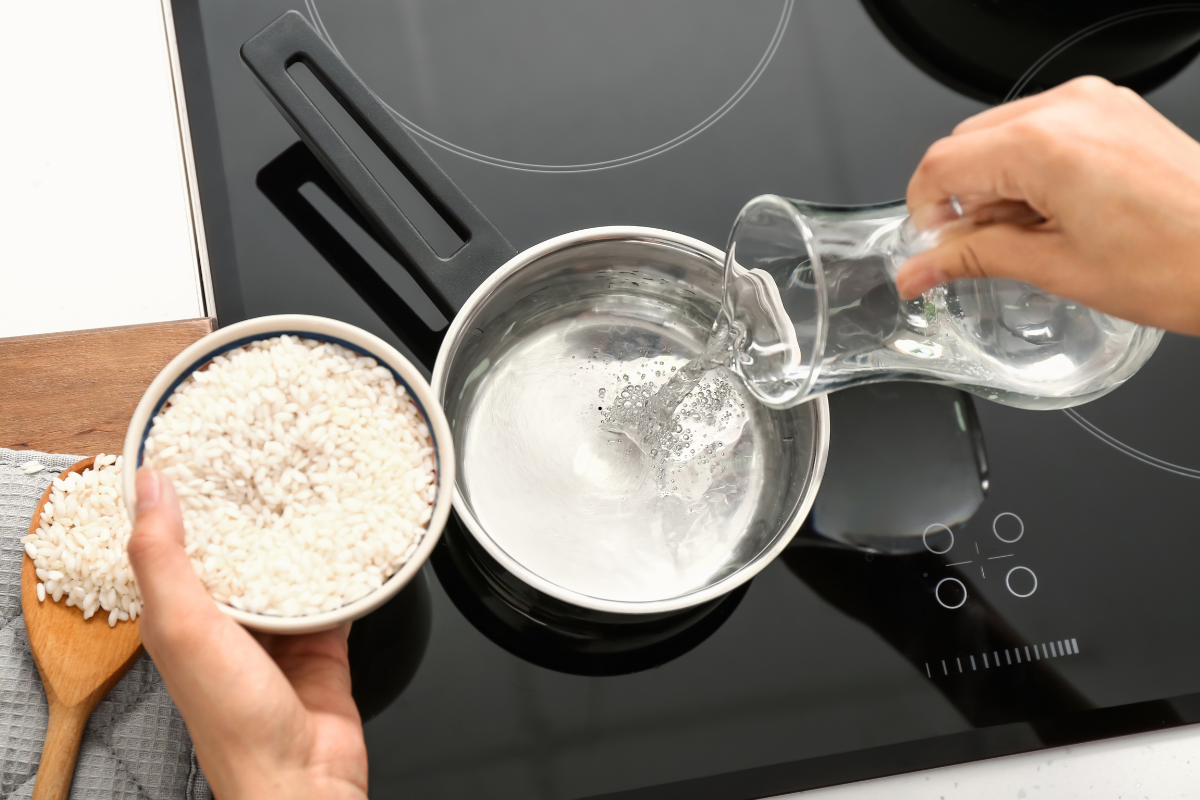
1. Using Too Much Water Causes Mushy Rice
This is by far the most common reason rice becomes mushy.
Many people assume adding extra water will make rice softer and better.
Unfortunately, the opposite often happens.
Excess water causes the rice grains to absorb more liquid than necessary, resulting in soggy rice. For example, adding extra water may seem harmless. However, it often causes the grains to absorb more moisture than necessary.
Recommended Rice-to-Water Ratios
Different types of rice need different amounts of water, and the ideal amount can also depend on the cooking method and the brand of rice.
Instead of assuming that every rice variety needs the same amount of water, check the package instructions first. If you’re using a recipe, follow the specific ratio given for that recipe.
For example, jasmine rice and basmati rice generally require less water than brown rice because they have different cooking characteristics.
The important thing is consistency: measure both the rice and water rather than estimating.
2. Overcooking Is a Common Cause of Mushy Rice
Even when the water ratio is correct, cooking rice too long can ruin the texture.
Rice continues absorbing moisture as it cooks.
Leave it on the stove for too long and the grains begin breaking apart.
The result is sticky, mushy rice. Similarly, leaving rice on the heat for too long can affect its texture.
How Do You Know Rice Is Overcooked?
Overcooked rice usually becomes very soft and loses the individual shape of the grains. You may notice that the grains split, stick together, or become gummy.
If the rice still has recognizable grains, you may be able to improve the texture by removing excess moisture. If the grains have completely broken down, it may be better to repurpose the rice rather than trying to make it fluffy again.
This directly targets another variation of the searcher’s problem.
Signs of Overcooked Rice
- Rice looks swollen
- Grains split apart
- Texture feels gummy
- Rice sticks together excessively
Following cooking times closely helps prevent this issue.
3. Poor Measuring Can Make Rice Mushy
I’ll be honest.
For years, I rarely measured rice accurately.
I would pour rice into the pot, estimate the water, and hope for the best.
Sometimes it worked.
Sometimes it didn’t.
Once I started measuring consistently, my rice improved dramatically.
Cooking rice is one of those situations where accuracy matters.
Using proper measuring cups helps create consistent results.
4. Stirring Rice Too Much
Many people treat rice like soup and continue stirring throughout the cooking process.
That’s a mistake.
Stirring releases starch from the grains.
Extra starch creates a sticky texture.
Once rice begins simmering, it’s usually best to leave it alone.
Let the steam do the work.
5. Skipping the Rinse
Rinsing rice may seem unnecessary, but it makes a significant difference.
Rice naturally contains surface starch.
If that starch isn’t removed, the grains can stick together while cooking. In addition, rinsing removes excess starch that can make rice sticky.
How to Rinse Rice
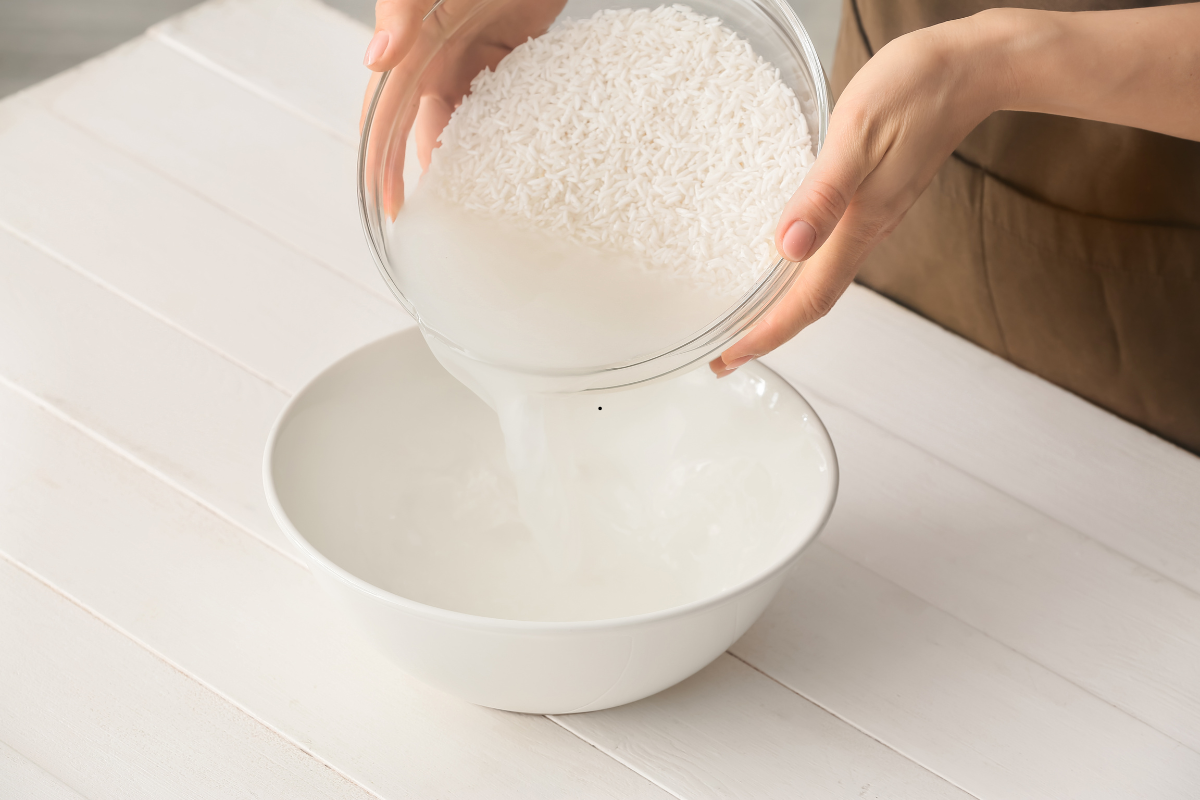
- Place rice in a bowl.
- Add cold water.
- Swirl gently.
- Drain.
- Repeat until the water looks mostly clear.
- One important note: rinsing is not identical for every type of rice. Some rice dishes are intentionally prepared with starch for a creamier or stickier texture. For fluffy everyday rice, however, rinsing can help remove excess surface starch.
This simple step helps produce fluffier rice.
6. Using the Wrong Pot
The type of cookware matters more than many people realize.
A pot that’s too small can cause rice to cook unevenly.
A thin-bottomed pot may create hot spots.
Both issues can affect texture.
A medium-sized pot with a heavy bottom usually provides the best results.
7. Removing the Lid Too Often
Every time you lift the lid, steam escapes.
Steam is essential because it’s part of the cooking process.
Repeatedly checking the rice can affect moisture levels and cooking consistency.
Try to resist the temptation.
Let the rice cook undisturbed. As a result, the cooking process becomes less consistent.
How to Fix Mushy Rice Quickly
If your rice is already mushy, don’t throw it away.
There are several ways to improve it. Fortunately, there are several ways to improve the texture.
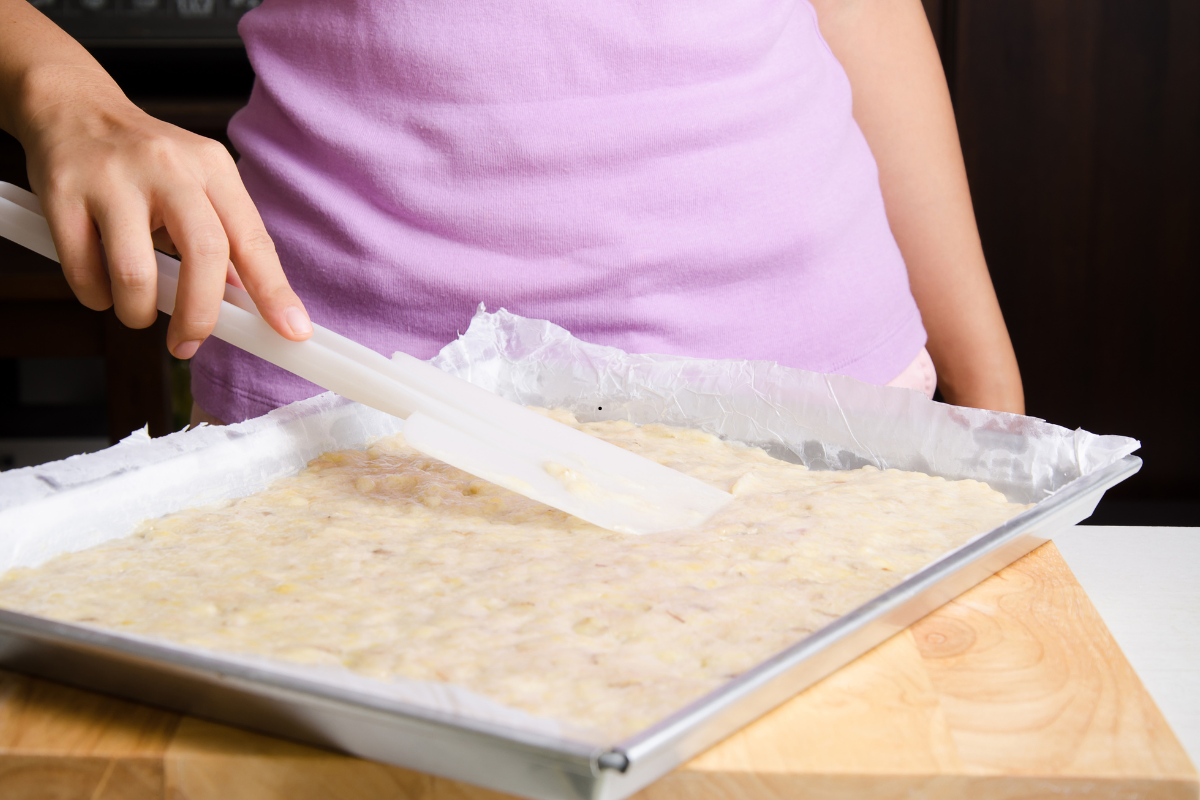
Spread It on a Baking Sheet
One of the easiest fixes is spreading the rice on a baking sheet.
The larger surface area helps excess moisture evaporate.
Allow it to sit for several minutes.
You may be surprised by how much the texture improves. Meanwhile, the excess moisture can evaporate more quickly.
Use the Oven
Place the rice in an oven-safe dish.
Bake at a low temperature for about 10 minutes.
This helps dry out excess moisture. Alternatively, you can place the rice in a low-temperature oven.
Turn It Into Fried Rice
One of my favorite ways to rescue mushy rice is making fried rice.
Once rice is combined with vegetables, eggs, and seasonings, slight texture issues become much less noticeable.
Leftover rice works best for fried rice because it contains less moisture. Learn how to make flavorful takeout-style rice in my Restaurant Style Fried Rice at Home recipe.
Can Mushy Rice Be Saved Completely?
Sometimes.
If the rice is only slightly mushy, there’s a good chance it can be improved.
If the rice resembles porridge, recovery becomes more difficult.
In those situations, repurposing it into another dish often works best.
How to Prevent Mushy Rice Every Time
Measure Carefully
Use measuring cups.
Avoid guessing.
Consistency begins with accurate measurements. Fortunately, preventing mushy rice is much easier than fixing it.
Rinse Before Cooking
Removing excess starch improves texture significantly.
This small step often makes a huge difference.
Use the Correct Water Ratio
Different types of rice require different amounts of water.
Always check package instructions.
Keep the Lid Closed
Allow steam to remain inside the pot.
This creates a more controlled cooking environment.
Let Rice Rest
After cooking, allow rice to sit covered for 5 to 10 minutes.
This resting period helps moisture distribute evenly.
Many people skip this step and miss out on better texture.
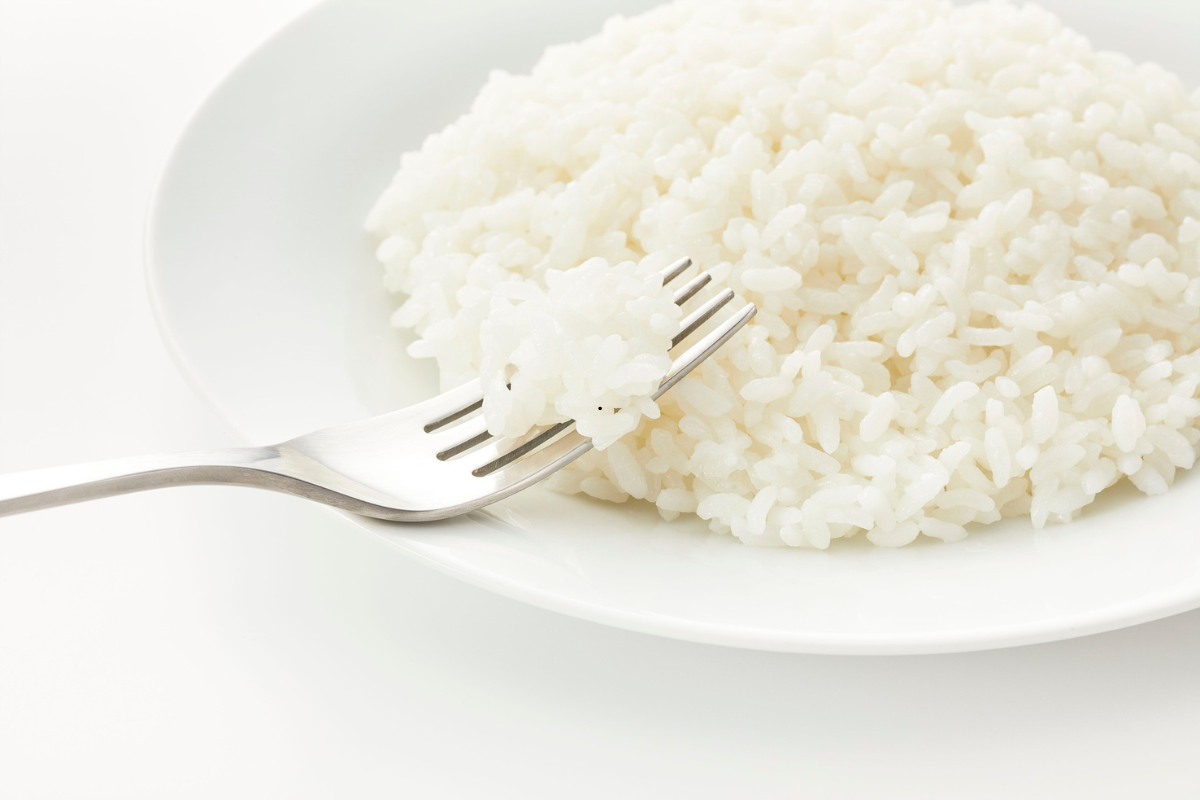
Fluff with a Fork
Instead of stirring aggressively, gently fluff rice with a fork.
This separates the grains without crushing them.
Why Different Types of Rice Cook Differently
White Rice
Quick cooking.
Beginner-friendly.
Most forgiving option.
Jasmine Rice
Naturally aromatic.
Requires slightly less water than white rice.
Basmati Rice
Long grains.
Light texture.
Excellent for fluffy rice dishes.
Brown Rice
Contains more fiber.
Requires more water and longer cooking times.
Common Rice Cooking Myths
More Water Makes Better Rice
False.
Too much water often creates mushy rice.
Stirring Helps Rice Cook Evenly
False.
Too much stirring releases starch.
Any Pot Works Fine
Not always.
Good cookware improves cooking consistency.
Rice Doesn’t Need Resting Time
False.
Resting helps improve texture and moisture distribution.
Best Uses for Leftover Rice
If your rice turned out well, don’t let leftovers go to waste.
Use them in:
- Fried rice
- Rice bowls
- Meal prep containers
- Soups
- Burrito bowls
If you’re looking for more ways to use leftover rice throughout the week, my Cheap Meal Prep Recipes for the Week guide includes several budget-friendly meal ideas.
Why Rice Is a Meal Prep Favorite
Rice remains one of the most popular meal prep ingredients because it’s:
- Affordable
- Filling
- Easy to prepare
- Freezer-friendly
- Versatile
Whether you’re preparing lunches for work or dinners for the family, rice can stretch your food budget while keeping meals satisfying.
For more practical make-ahead meals, explore my Healthy Meal Prep Ideas for Families: Easy, Budget-Friendly Meals for Busy Weeks article.
Common Questions About Mushy Rice
Why Is My Rice Sticky and Mushy?
Usually because of excess water, overcooking, or skipping the rinse step.
Can I Eat Mushy Rice?
Absolutely.
Mushy rice is usually safe to eat.
The issue is texture rather than safety.
Why Does My Rice Turn Mushy in a Rice Cooker?
The most common causes are using too much water or incorrect settings.
Should I Rinse Rice Every Time?
For most types of rice, yes.
Rinsing removes excess starch and improves texture.
Why Learning to Cook Rice Matters
Learning basic cooking techniques can make a huge difference in the kitchen. If you’re just starting out, my Easy Cooking Tips Every Beginner Should Know guide covers essential skills that help prevent common cooking mistakes.
Rice may seem simple.
After all, it’s just rice and water.
But mastering rice can improve countless meals.
Perfect rice serves as the foundation for:
- Stir-fries
- Burrito bowls
- Meal prep lunches
- Family dinners
- International recipes
Once you understand the common mistakes that cause mushy rice, cooking fluffy rice becomes much easier.
The next time you ask yourself, “Why is my rice mushy?” you’ll know exactly what to check.
And with a few small adjustments, you’ll be serving light, fluffy rice that complements every meal beautifully.

Amity Nwoye is the creator of amybenblog, where she shares easy recipes, practical cooking tips, meal planning ideas, and money-saving kitchen hacks. She is passionate about helping home cooks prepare delicious meals with confidence, whether they’re beginners or experienced in the kitchen. Through simple, family-friendly advice, Amity makes cooking more enjoyable, affordable, and stress-free.