Common cooking mistakes can turn what should be a delicious meal into a disappointing one. Have you ever followed a recipe carefully only to end up with food that tasted bland, dry, burnt, or disappointing?
You’re not alone.
Many cooking disasters aren’t caused by complicated recipes or poor-quality ingredients. Instead, they often happen because of small mistakes that are easy to overlook.
The good news is that once you recognize these common cooking mistakes, you can dramatically improve your results in the kitchen.
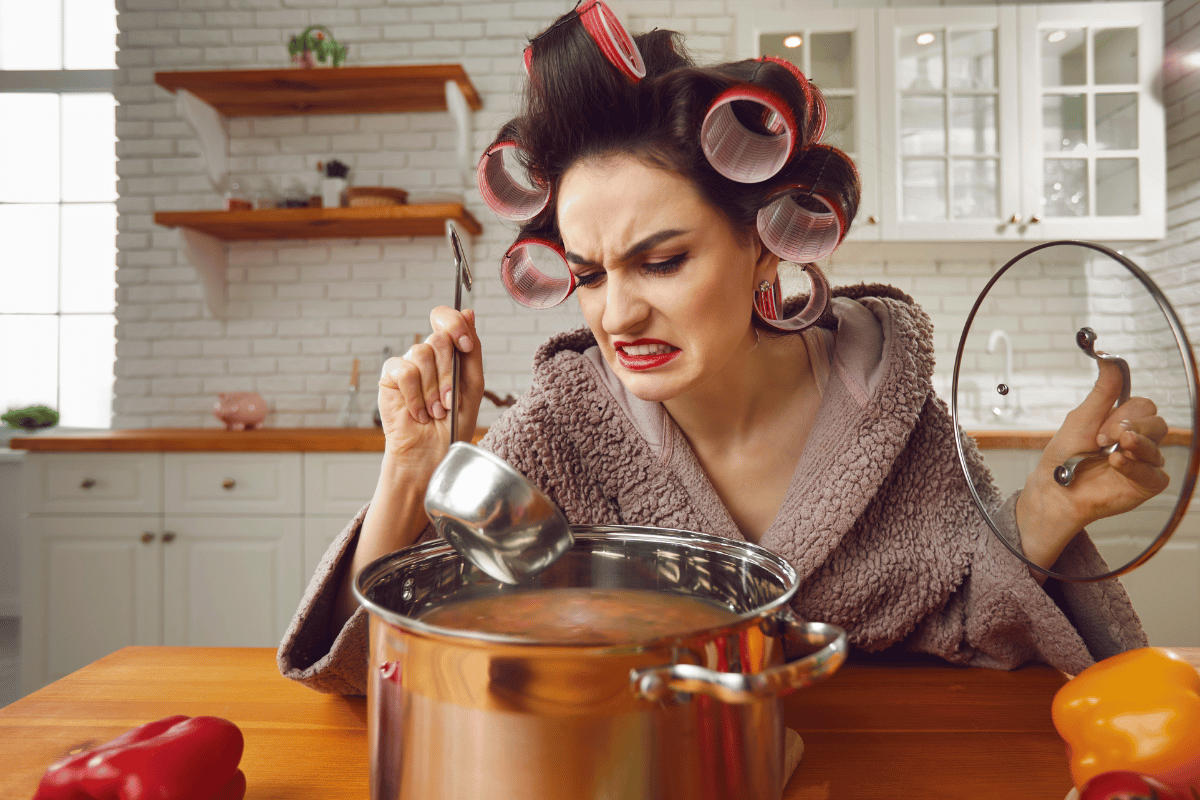
I learned this lesson years ago while preparing a family meal. I spent hours making what I believed would be a delicious dinner. Everything looked perfect, but when it was finally time to eat, the chicken was dry, the vegetables were soggy, and the rice lacked flavour.
That experience taught me something important: becoming a better cook is often about avoiding common mistakes rather than mastering complicated techniques.
Whether you’re just learning to cook or you’ve been preparing meals for years, these common cooking mistakes could be quietly affecting the quality of your food.
Let’s look at the biggest kitchen mistakes and discover how to fix them.
Why Common Cooking Mistakes Matter
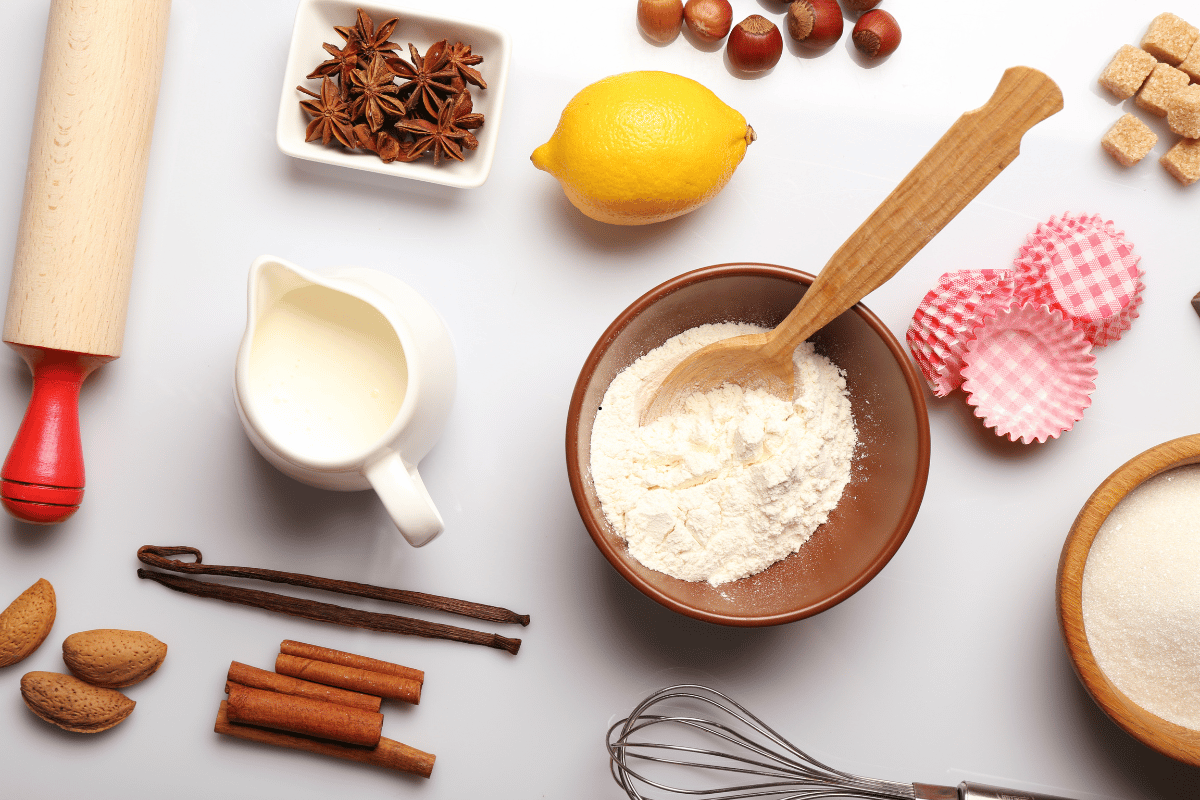
Cooking is a balance of several important elements, including:
- Timing
- Temperature
- Ingredients
- Technique
Even a small mistake can affect your meal’s:
- Flavour
- Texture
- Appearance
- Moisture
- Overall enjoyment
Understanding these common cooking mistakes helps you cook with greater confidence while producing delicious meals more consistently.
Common Cooking Mistakes: Not Reading the Entire Recipe Before Starting
One of the most common cooking mistakes happens before you even begin cooking.
Many people immediately start preparing ingredients without reading the complete recipe first.
Why This Common Cooking Mistake Ruins Your Food
You might discover halfway through cooking that:
- An important ingredient is missing.
- Something should have marinated overnight.
- A step requires additional preparation time.
These surprises can completely disrupt your cooking process.
How to Fix This Common Cooking Mistake
Before touching any ingredient, read every instruction from beginning to end.
This simple habit helps prevent unexpected problems and makes cooking much smoother.
Common Cooking Mistakes: Using the Wrong Measuring Method
Accurate measurements are especially important for both cooking and baking.
Why This Common Cooking Mistake Ruins Your Food
Incorrect measurements can cause several problems:
- Too much flour creates dense baked goods.
- Too much salt overwhelms the flavour.
- Too little liquid leaves food dry.
How to Fix This Common Cooking Mistake
Always use proper measuring cups and measuring spoons.
When measuring dry ingredients for baking, level them with a straight edge instead of packing them into the cup.
Common Cooking Mistakes: Overcrowding the Pan
Many home cooks try to cook everything at once.
Although it may seem like a time-saver, overcrowding the pan usually creates disappointing results.
Why This Common Cooking Mistake Ruins Your Food
When too much food is placed inside one pan:
- The temperature drops quickly.
- Food begins to steam instead of brown.
- Moisture becomes trapped.
Instead of crispy vegetables or beautifully browned meat, you often end up with soggy food.
How to Fix This Common Cooking Mistake
Cook food in smaller batches.
Giving ingredients enough room allows heat to circulate properly, creating better browning and richer flavour.
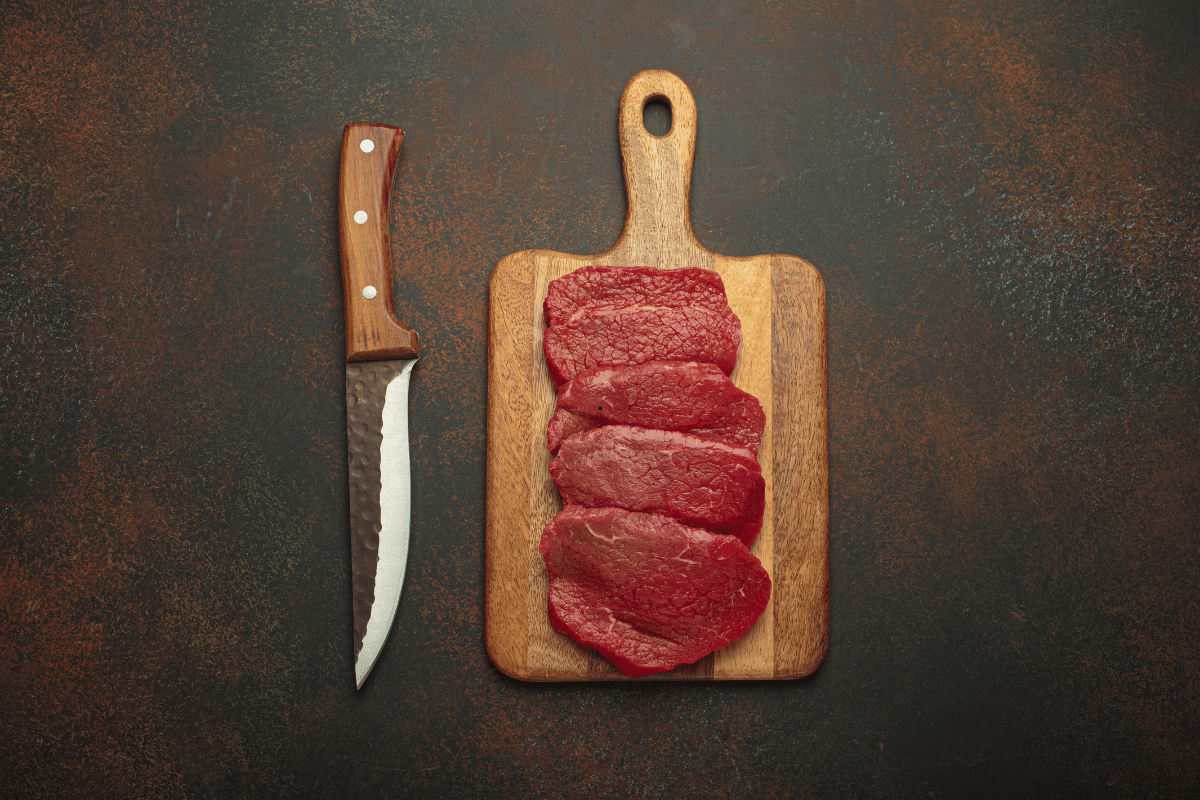
Common Cooking Mistakes: Cooking Cold Meat Straight From the Refrigerator
This mistake is surprisingly common in many home kitchens.
Why This Common Cooking Mistake Ruins Your Food
Cold meat cooks unevenly.
The outside may become overcooked before the centre reaches the correct internal temperature.
How to Fix This Common Cooking Mistake
Allow meat to sit at room temperature for about 20–30 minutes before cooking.
This helps it cook more evenly from the outside to the centre.
Common Cooking Mistakes: Not Preheating the Pan
Many people place ingredients into the pan immediately after turning on the stove.
Why This Common Cooking Mistake Ruins Your Food
A cold pan can cause several issues:
- Food sticks easily.
- Cooking becomes uneven.
- Browning doesn’t develop properly.
Without proper browning, your food loses much of its flavour.
How to Fix This Common Cooking Mistake
Allow the pan to heat completely before adding oil or ingredients.
A properly heated pan improves both texture and flavour.
Common Cooking Mistakes: Using Too Much Heat
Many beginner cooks believe that higher heat means faster and better cooking.
Unfortunately, that’s rarely true.
Why This Common Cooking Mistake Ruins Your Food
Excessive heat can:
- Burn food
- Dry out meat
- Scorch sauces
- Cook food unevenly
High temperatures often damage flavour instead of improving it.
How to Fix This Common Cooking Mistake
Use the heat level recommended in your recipe whenever possible.
For many dishes, medium heat produces far better results than maximum heat.
Common Cooking Mistakes: Constantly Flipping Food
Some cooks simply can’t resist moving food around every few seconds.
While it may seem like you’re helping the cooking process, you’re actually preventing your food from developing the flavour and texture you’re looking for.
Why This Common Cooking Mistake Ruins Your Food
Constant flipping prevents food from browning properly.
Ingredients need direct contact with a hot cooking surface to develop a rich golden colour and deeper flavour.
Moving food too often interrupts this process.
How to Fix This Common Cooking Mistake
Allow your food to cook undisturbed before turning it.
A little patience usually produces much better results.
Common Cooking Mistakes: Not Seasoning Properly
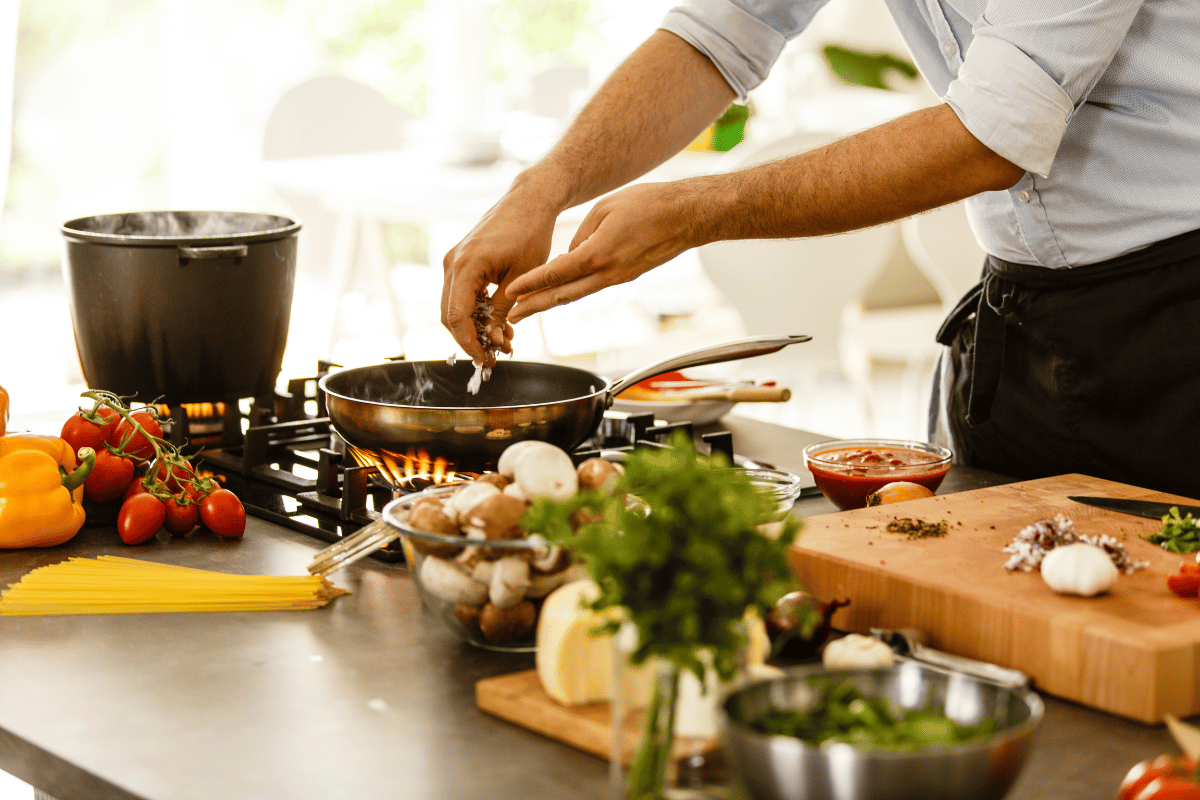
Seasoning is one of the biggest differences between average meals and unforgettable ones.
Even high-quality ingredients need proper seasoning to bring out their natural flavours.
Why This Common Cooking Mistake Ruins Your Food
Food that isn’t seasoned properly often tastes:
- Flat
- Bland
- Uninteresting
Without enough seasoning, even expensive ingredients can seem disappointing.
How to Fix This Common Cooking Mistake
Season food gradually throughout the cooking process instead of waiting until the end.
Taste your food as you cook whenever it’s safe to do so.
Making small adjustments along the way creates a much more balanced final dish.
Common Cooking Mistakes: Ignoring Salt Until the Final Step
Salt does much more than simply make food taste salty.
When used correctly, it helps develop and enhance flavour throughout the cooking process.
Why This Common Cooking Mistake Ruins Your Food
Adding all the salt at the very end prevents flavours from building naturally while the food cooks.
As a result, dishes may taste underdeveloped or unevenly seasoned.
How to Fix This Common Cooking Mistake
Season your food in stages.
Adding small amounts of salt during cooking allows every ingredient to absorb flavour more effectively.
This is especially important when preparing rice dishes.
If you enjoy Nigerian recipes, be sure to read How to Make Smoky Party Jollof Rice at Home: The Best Nigerian Party Jollof Rice Recipe, where you’ll see how seasoning throughout the cooking process creates rich, authentic flavour from the very beginning.
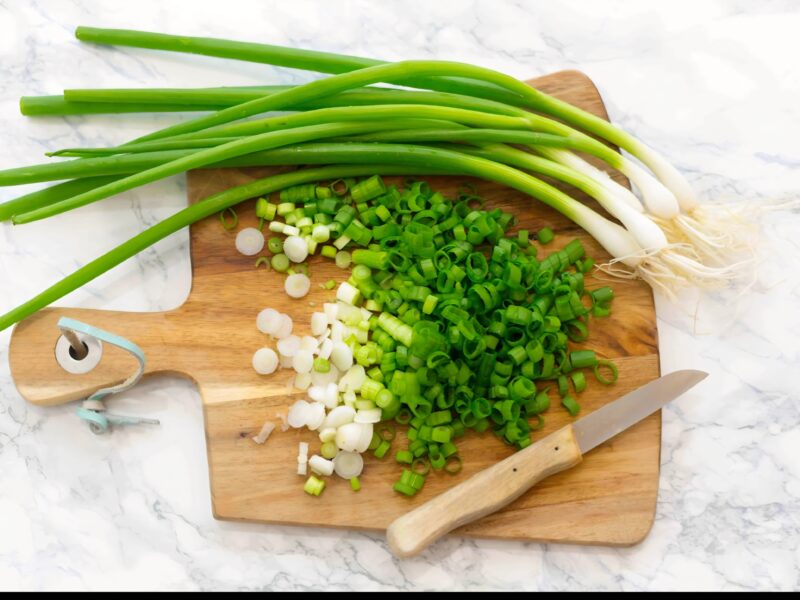
Using Dull Knives
Many people assume dull knives are safer.
In reality, the opposite is often true.
Why This Common Cooking Mistake Ruins Your Food
Dull knives can:
- Crush ingredients
- Create uneven cuts
- Slow down meal preparation
Uneven pieces cook at different speeds, leading to inconsistent results.
How to Fix This Common Cooking Mistake
Sharpen your knives regularly and store them correctly.
Uniform cuts help ingredients cook evenly while making food preparation faster and safer.
Skipping Ingredient Preparation
Professional chefs rarely begin cooking without preparing everything first.
This method is known as mise en place, which means “everything in its place.”
Why This Common Cooking Mistake Ruins Your Food
Without preparing ingredients ahead of time:
- Food may burn while you’re chopping vegetables.
- Important ingredients can be forgotten.
- Cooking becomes rushed and stressful.
How to Fix This Common Cooking Mistake
Measure, chop, peel, and organize every ingredient before turning on the stove.
This simple habit makes cooking far more enjoyable and helps prevent costly mistakes.
Adding Too Much Liquid
Soups, sauces, stews, and casseroles commonly suffer from this problem.
Why This Common Cooking Mistake Ruins Your Food
Using excessive liquid can:
- Dilute flavours
- Create a watery texture
- Reduce the richness of your dish
Fixing a recipe after adding too much liquid usually takes much longer.
How to Fix This Common Cooking Mistake
Add liquid gradually.
You can always pour in more if necessary, but removing excess liquid later often requires additional cooking time.
My Biggest Kitchen Lesson About Common Cooking Mistakes
One of my earliest cooking experiences involved preparing a large meal for visitors.
I wanted every dish to finish cooking at exactly the same time.
To save time, I filled every pan with as much food as possible.
Unfortunately, the results were disappointing.
Instead of beautifully browned chicken, I ended up with pale, watery pieces that lacked flavour.
The vegetables became soft, soggy, and lifeless.
At first, I blamed the recipe.
Later, I realized the real problem wasn’t the recipe at all.
It was overcrowding the pans.
That experience completely changed the way I cook.
Since then, I’ve learned that giving food enough space is one of the simplest ways to improve cooking results.
Sometimes, the smallest adjustments make the biggest difference.
Key Takeaways From These Common Cooking Mistakes
By avoiding these first twelve mistakes, you’ll immediately improve the quality of your meals.
Remember to:
- Read recipes completely before starting.
- Measure ingredients accurately.
- Avoid overcrowding your pans.
- Let meat warm slightly before cooking.
- Preheat your cookware.
- Use the correct cooking temperature.
- Allow food to brown before flipping.
- Season throughout the cooking process.
- Use sharp knives.
- Prepare ingredients ahead of time.
- Add liquids gradually.
- Give ingredients enough space to cook properly.
These simple habits can dramatically improve flavour, texture, and consistency in your everyday cooking.
Overcooking Vegetables
Vegetables are naturally packed with flavour, vibrant colour, and essential nutrients. However, cooking them for too long can quickly ruin their texture and appearance.
Why This Common Cooking Mistake Ruins Your Food
Overcooked vegetables often become:
- Mushy
- Bland
- Dull in colour
- Less appetising
Instead of bright green broccoli or crisp carrots, you’re left with vegetables that look tired and taste disappointing.
How to Fix This Common Cooking Mistake
Cook vegetables only until they become tender.
For many vegetables, just a few minutes is enough.
A good rule is to leave a slight bite rather than cooking everything until it’s completely soft.
Not Letting Meat Rest Before Cutting
This is one mistake that can undo all your hard work.
Why This Common Cooking Mistake Ruins Your Food
Cutting meat immediately after cooking causes the juices to run onto the plate instead of staying inside the meat.
As a result:
- Meat becomes dry.
- Flavour is reduced.
- Texture suffers.
How to Fix This Common Cooking Mistake
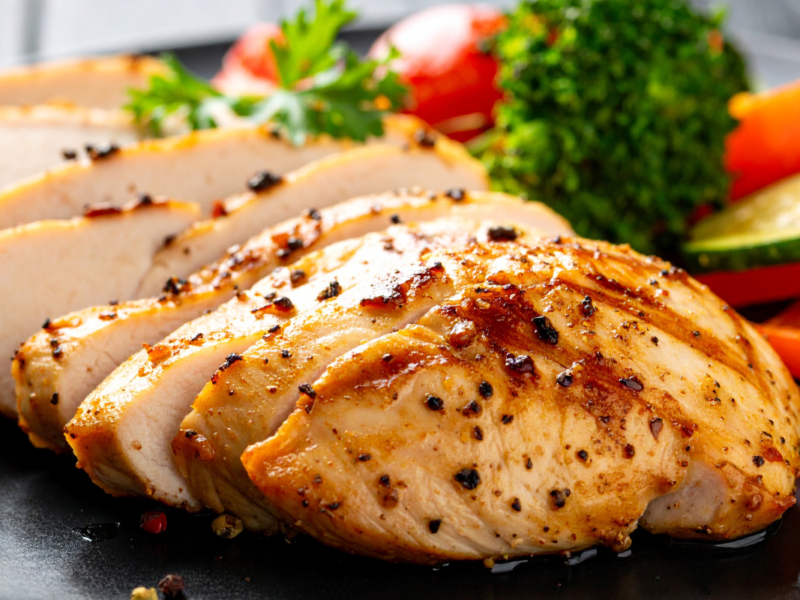
Allow cooked meat to rest before slicing.
Here are some general guidelines:
- Chicken: 5–10 minutes
- Beef steaks: 5–10 minutes
- Large roasts: 15–20 minutes
Resting allows the juices to redistribute, resulting in more tender and flavourful meat.
Poor Food Storage Habits
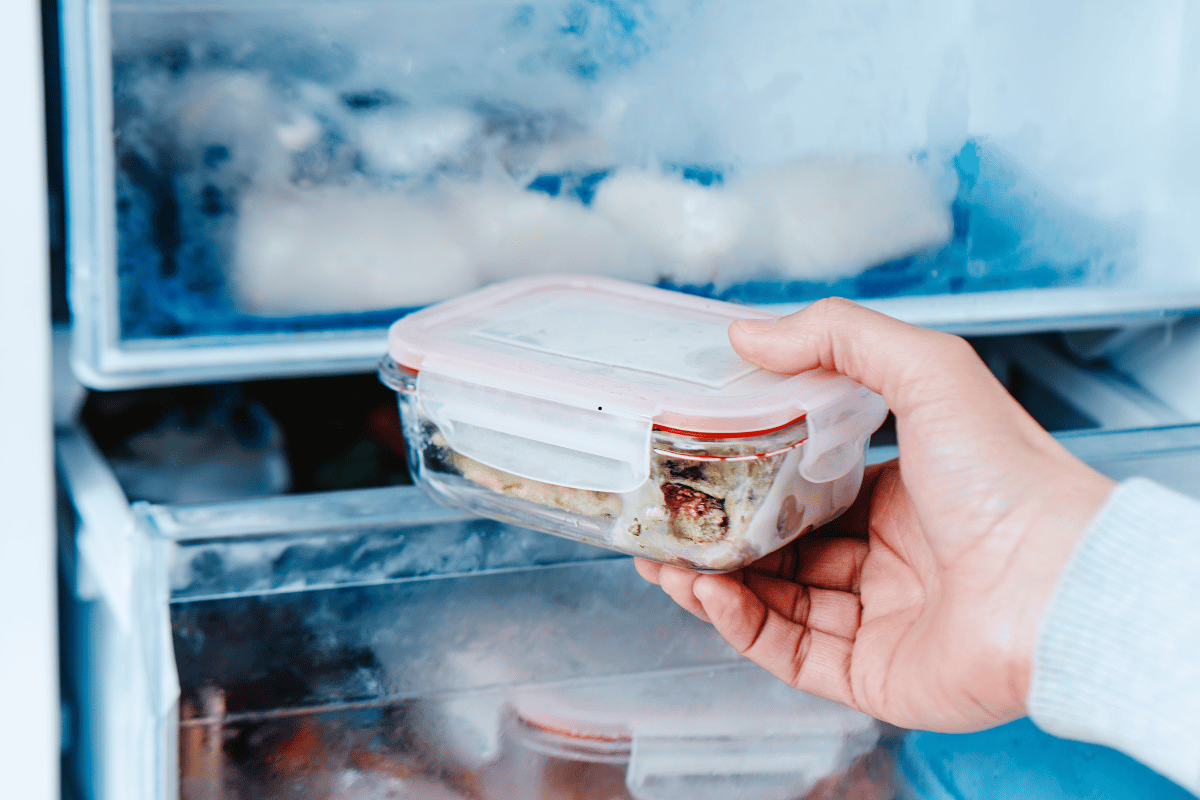
Cooking doesn’t end when dinner is over.
Proper food storage plays a major role in maintaining both quality and food safety.
Why This Common Cooking Mistake Ruins Your Food
Improper storage may lead to:
- Dry leftovers
- Loss of flavour
- Unpleasant texture
- Food waste
Improper storage may lead to:
- Dry leftovers
- Loss of flavour
- Unpleasant texture
- Food waste
Store leftovers in airtight containers and refrigerate them promptly.
Proper food handling is very important for both safety and quality. You can learn more about safe storage practices from FoodSafety.gov food storage guidelines https://www.foodsafety.gov
How to Fix This Common Cooking Mistake
Store leftovers in airtight containers and refrigerate them promptly.
Good storage habits help meals stay fresher for longer.
For example, if you often cook rice ahead of time.
Bonus Common Cooking Mistakes That Ruin Your Food
Even experienced home cooks sometimes overlook these simple mistakes.
Cooking With Wet Ingredients
Many people skip this simple step before cooking.
Why This Common Cooking Mistake Ruins Your Food
Too much surface moisture prevents food from browning properly.
Instead of forming a beautiful golden crust, ingredients simply steam.
This often happens when cooking:
- Chicken
- Fish
- Vegetables
How to Fix This Common Cooking Mistake
Pat ingredients dry with paper towels before cooking.
Removing excess moisture creates better browning, improved texture, and richer flavour.
Opening the Oven Too Often
Checking food every few minutes may seem harmless, but it can negatively affect baking.
Why This Common Cooking Mistake Ruins Your Food
Every time you open the oven door:
- Heat escapes.
- Oven temperature drops.
- Baking time changes.
This may cause cakes and baked goods to cook unevenly.
How to Fix This Common Cooking Mistake
Whenever possible, use the oven light and window to monitor your food.
Only open the oven when absolutely necessary.
Ignoring Expiration Dates
Fresh ingredients play a major role in successful cooking and baking.
Why This Common Cooking Mistake Ruins Your Food
Expired ingredients may lose:
- Flavour
- Effectiveness
- Overall quality
This is especially true for baking ingredients like yeast and baking powder.
How to Fix This Common Cooking Mistake
Check expiration dates regularly and replace ingredients when needed.
Fresh ingredients produce more reliable cooking results.
Rushing the Cooking Process
Busy schedules often encourage us to cook as quickly as possible.
Unfortunately, great cooking usually requires patience.
Why This Common Cooking Mistake Ruins Your Food
Rushing can lead to:
- Undercooked food
- Uneven texture
- Weak flavour development
How to Fix This Common Cooking Mistake
Give recipes the time they require.
Slow simmering, proper marinating, and allowing food to rest often produce much better meals.
How Common Cooking Mistakes Affect Popular Recipes
Many of these mistakes become especially noticeable when preparing favourite family meals.
Common Cooking Mistakes in Rice Dishes
Poor seasoning, using too much water, or incorrect heat control can easily ruin rice recipes.
➡ How to Make Smoky Party Jollof Rice at Home: The Best Nigerian Party Jollof Rice Recipe
Common Cooking Mistakes in Meal Prep
Improper storage habits often reduce the quality of meal-prepped food.
➡ 25 Easy High-Protein Meal Prep Ideas for Busy Weekdays
Common Cooking Mistakes in Chicken Recipes
Poor reheating and improper freezing frequently reduce the quality of cooked chicken.
➡ How to Freeze Cooked Chicken Properly (Without Losing Flavour)
Common Cooking Mistakes When Making Homemade Snacks
Even simple snacks can be affected by small cooking errors.
For example, when making Puff Puff, oil temperature plays an important role in creating a soft, fluffy texture.
➡ Easy Puff Puff Recipe with Few Ingredients (Soft, Fluffy & Delicious)
Signs You’re Avoiding Common Cooking Mistakes
Improving your cooking skills doesn’t happen overnight.
You’ll probably notice progress when:
- Meals become more consistent.
- Food tastes better without extra effort.
- Timing feels more natural.
- Your confidence grows.
- Family members begin requesting your favourite dishes.
Great cooks aren’t born knowing everything.
They simply continue learning, practising, and improving after every meal.
My Most Embarrassing Kitchen Mistake
One experience still makes me laugh.
I was preparing food for a small gathering while trying to multitask.
Between chatting with guests and managing several dishes at once, I completely forgot one pot on the stove.
By the time I remembered, the bottom had burnt and the smell had filled the entire house.
I was frustrated at first.
Looking back, it became one of my biggest cooking lessons.
Cooking requires attention.
Now I always set timers whenever I’m preparing multiple dishes.
That one habit has saved countless meals.
Simple Habits That Help You Avoid Common Cooking Mistakes
You don’t need expensive equipment to become a better cook.
Start with these simple habits:
Taste as You Cook
Adjust seasoning before serving whenever possible.
Keep Your Workspace Organised
An organised kitchen reduces stress and prevents mistakes.
Use Timers
Timers help prevent overcooking.
Follow Recommended Temperatures
Heat management affects nearly every recipe.
Practise Regularly
Cooking is a skill that improves through repetition.
Every meal teaches something valuable.
Frequently Asked Questions About Common Cooking Mistakes
What Is the Most Common Cooking Mistake?
One of the most common mistakes is overcrowding the pan.
It prevents proper browning and affects both flavour and texture.
Why Does My Food Taste Bland?
Common reasons include:
- Not using enough seasoning.
- Adding too much liquid.
- Waiting until the end to add salt.
- Not tasting food while cooking.
How Can I Become a Better Cook?
Focus on:
- Reading recipes completely.
- Practising regularly.
- Learning proper heat control.
- Avoiding common cooking mistakes.
Why Does My Chicken Turn Out Dry?
Dry chicken usually happens because of:
- Overcooking
- Cooking over excessive heat
- Skipping the resting period
Does Proper Food Storage Really Matter?
Absolutely.
Correct storage helps preserve flavour, texture, and freshness while reducing unnecessary food waste.
Final Thoughts on Common Cooking Mistakes That Ruin Your Food
Everyone makes cooking mistakes.
Even experienced home cooks occasionally burn food, over-season a meal, or misjudge cooking times.
The difference is that skilled cooks learn from those experiences and improve their techniques.
These 15 common cooking mistakes that ruin your food may seem small, but together they can have a huge impact on the quality of your meals.
By paying attention to preparation, seasoning, temperature, timing, and storage, you’ll consistently cook meals that taste better, look more appealing, and bring greater confidence into your kitchen.
The next time something doesn’t turn out exactly as planned, don’t get discouraged.
Treat it as another opportunity to learn.
Every successful cook has experienced failures before becoming more confident in the kitchen.
With patience, regular practice, and a willingness to improve, you’ll continue developing skills that make every meal even better.
More Helpful Kitchen Guides
Continue improving your cooking skills with these related articles:
- How to Make Smoky Party Jollof Rice at Home: The Best Nigerian Party Jollof Rice Recipe
- Easy Puff Puff Recipe with Few Ingredients (Soft, Fluffy & Delicious)
- Can You Freeze Cooked Rice? The Best Way to Store and Reheat It
- How to Freeze Cooked Chicken Properly (Without Losing Flavour)
- 25 Easy High-Protein Meal Prep Ideas for Busy Weekdays
- Looking for Quick Dinner Ideas with Rotisserie Chicken? Discover Easy, Family-Friendly Meals
Amity Nwoye is the creator of amybenblog, where she shares easy recipes, practical cooking tips, meal planning ideas, and money-saving kitchen hacks. She is passionate about helping home cooks prepare delicious meals with confidence, whether they’re beginners or experienced in the kitchen. Through simple, family-friendly advice, Amity makes cooking more enjoyable, affordable, and stress-free.