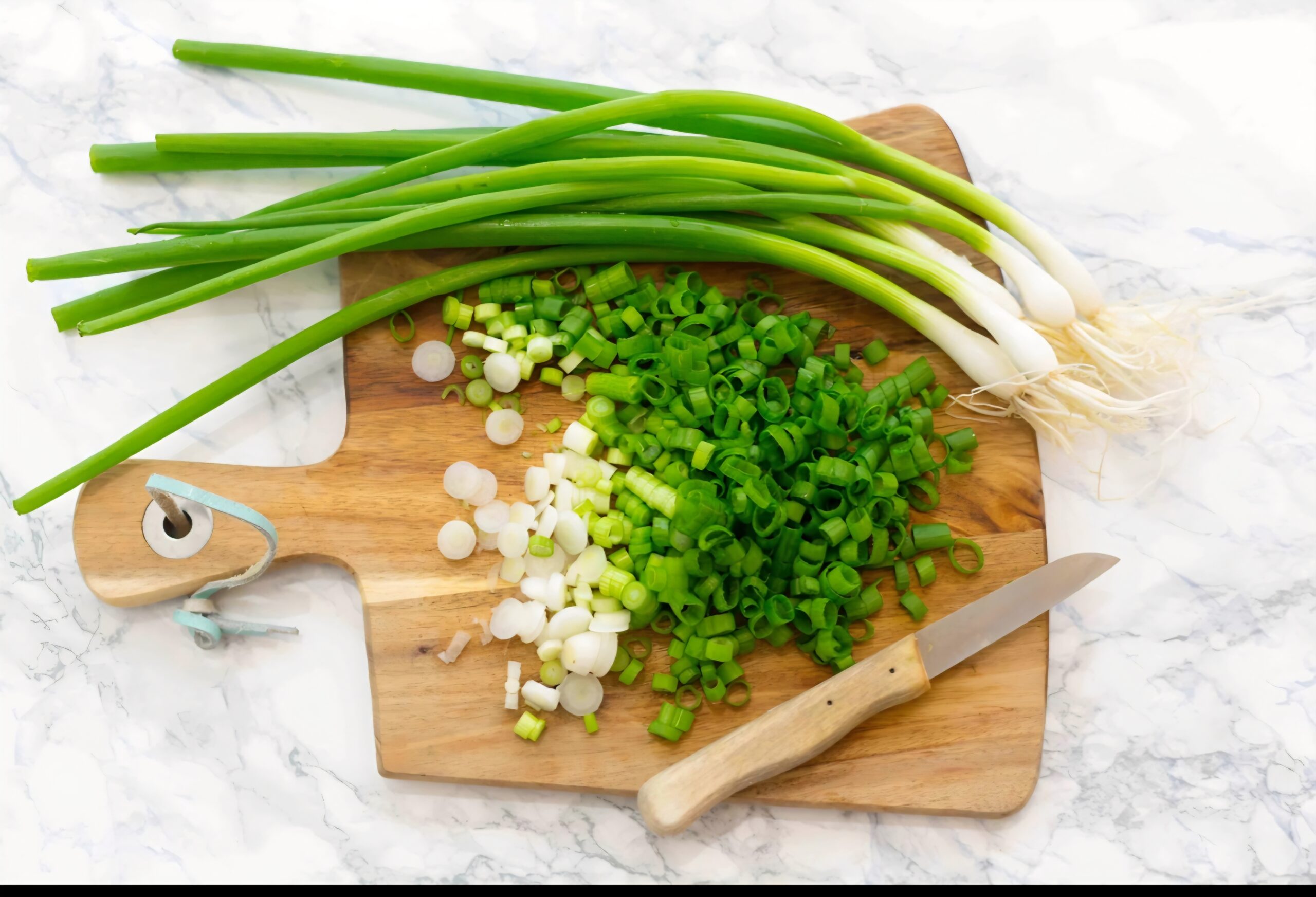
Learning how to store green onions properly can help keep them fresh, crisp, and ready to use for much longer.
Green onions are one of those simple ingredients that can make a meal taste fresher and more flavorful.
They are great for soups, fried rice, noodles, eggs, salads, sauces, and so many other dishes.
They are great for soups, fried rice, noodles, eggs, salads, sauces, and so many other dishes.
I used to be guilty of buying a bunch of green onions for one meal and then forgetting about the rest in the refrigerator.
A few days later, I would open the fridge and find the green tops looking limp and the bottom starting to get slimy. It was frustrating because there was nothing wrong with the onions when I bought them.
That made me start paying more attention to how I stored them. I realized that a few simple changes could make a big difference and help me use the whole bunch instead of throwing part of it away.
If you have ever bought green onions with good intentions only to find them looking sad in the refrigerator a few days later, you are not alone. Learning how to store green onions properly can help you keep them fresh longer and reduce food waste.
How Long Do Green Onions Last?
How long green onions last depends on how fresh they were when you bought them and how you store them.
For the best quality, green onions should be refrigerated. When stored properly, they can stay fresh for several days and sometimes longer, depending on their condition when purchased.
Instead of relying only on a specific number of days, check the onions themselves before using them. Fresh green onions should have a clean smell, firm stalks, and bright green tops.
Should You Wash Green Onions Before Storing Them?
It is usually better to avoid washing green onions until you are ready to use them.
Extra moisture can make them deteriorate faster, especially when they are stored while wet. If your green onions have visible dirt, gently remove it and allow them to dry completely before storing them.
When you’re ready to cook, wash them under clean running water and prepare them as needed.
The Best Way to Store Green Onions in the Fridge
For everyday storage, the refrigerator is your best option.
Here is a simple method:
1. Check the green onions and remove any damaged or slimy pieces.
2. Leave them whole if you haven’t used them yet.
3. Avoid washing them unless necessary.
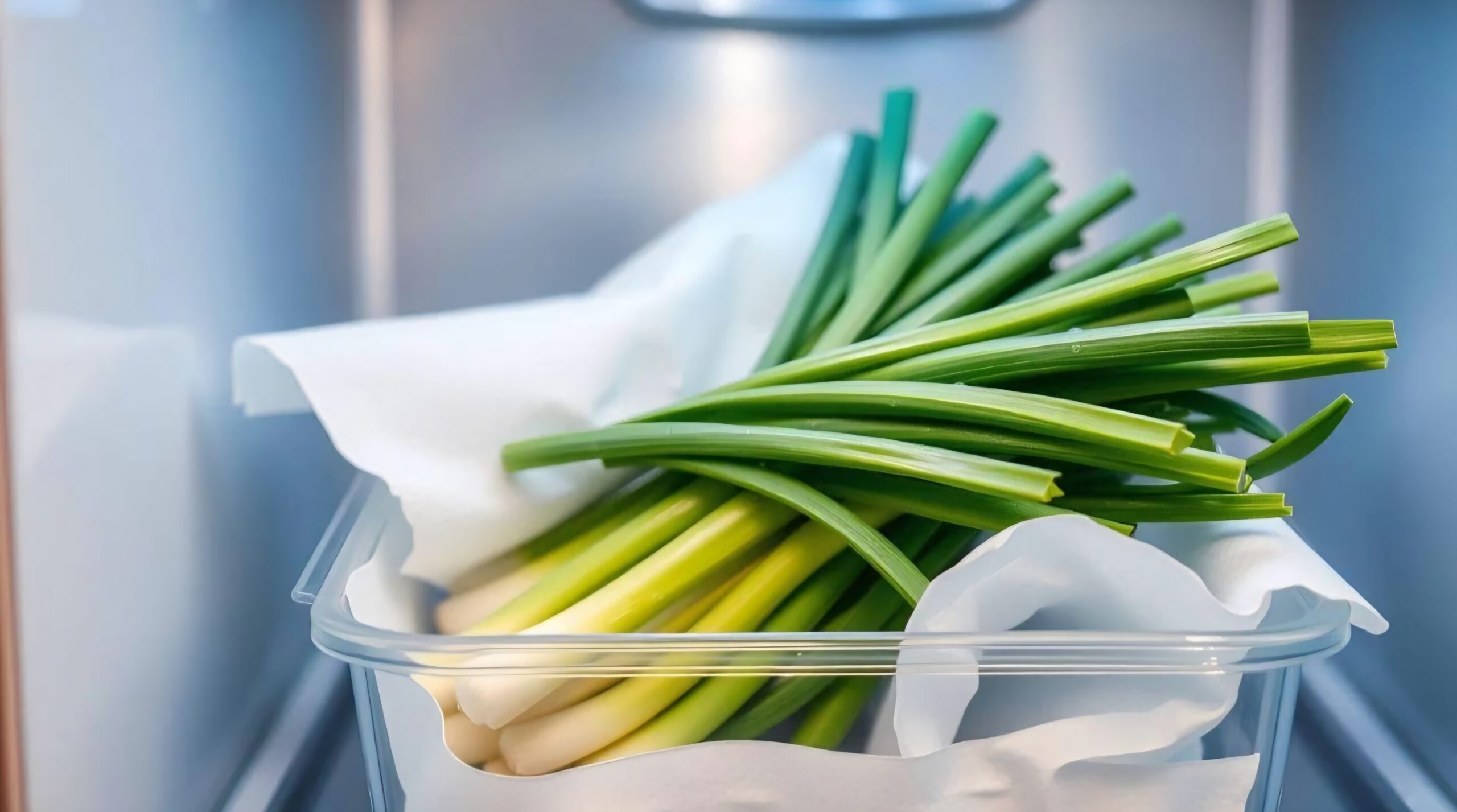
4. Wrap them loosely in a paper towel.
5. Place them inside a breathable produce bag or loosely closed storage bag.
6. Keep them refrigerated, preferably in the crisper drawer.
The goal is to prevent the onions from drying out while also avoiding excess moisture.
Why Does This Method Work?
Green onions can lose moisture quickly, which causes the green tops to become limp. At the same time, too much trapped moisture can encourage spoilage.
A loose wrap and breathable storage help create a better balance.
How to Store Green Onions in Water
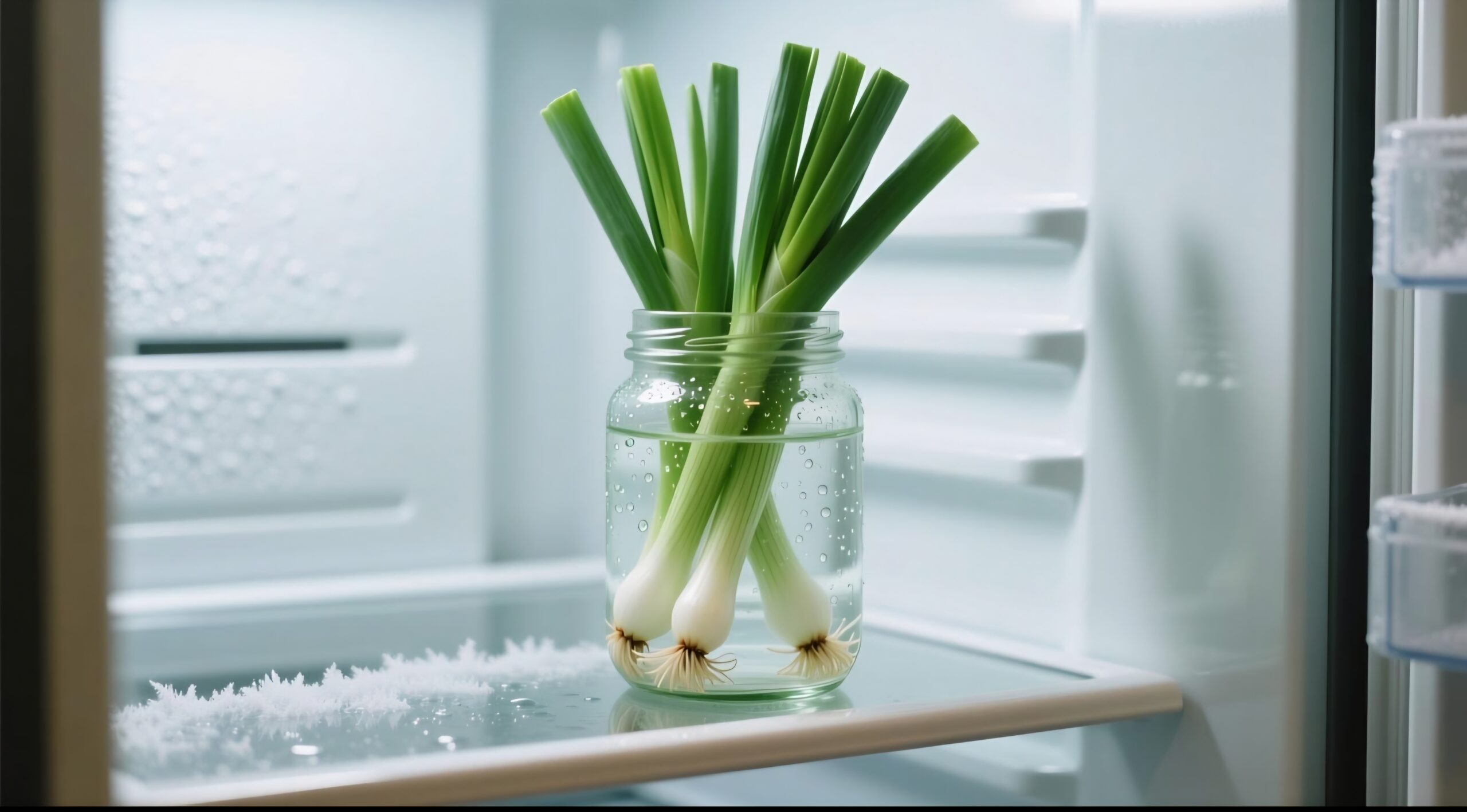
Another popular method is storing green onions upright in a small amount of water.
This works particularly well when the roots are still attached.
Place the green onions upright in a clean jar or glass. Add enough water to cover the roots without submerging the entire onion.
Place the jar in the refrigerator and change the water regularly.
You can loosely cover the tops with a plastic bag to help reduce moisture loss, but avoid sealing wet onions in an airtight environment.
This method can also be useful if you want to experiment with regrowing green onions from the roots.
How to Store Green Onions After Cutting
Already chopped your green onions? You can still store them for later.
First, make sure the pieces are clean and dry. Excess water can cause chopped green onions to spoil faster.
Place the chopped green onions in an airtight food container lined with a dry paper towel. The paper towel can help absorb excess moisture that collects inside the container.
Keep the container refrigerated and use the green onions as soon as possible for the best flavor and texture.
This is especially convenient if you regularly use green onions when cooking. You can prepare a portion ahead of time so they are ready whenever you need them.
If you like preparing ingredients ahead of time, having chopped green onions ready in the refrigerator can make meal prep for the week much easier.
Can You Freeze Green Onions?
Yes, you can freeze green onions.
Freezing is a good option when you have more green onions than you can use before they start losing quality.
However, frozen green onions will not have exactly the same crisp texture as fresh ones after thawing. For that reason, frozen green onions are best suited to cooked dishes such as:
- Soups
- Stews
- Fried rice
- Noodles
- Omelets
- Sauces
- Stir-fries
I especially love keeping green onions ready for dishes like restaurant-style fried rice at home, because a little fresh green onion can add so much flavor at the end.
How to Freeze Green Onions
1. Wash the green onions thoroughly.
2. Dry them very well.
3. Remove any damaged parts.
4. Slice them into the size you normally use for cooking.
5. Spread the pieces on a tray in a single layer.
6. Freeze until firm.
7. Transfer them to a freezer-safe bag or container.
8. Label the container with the date.
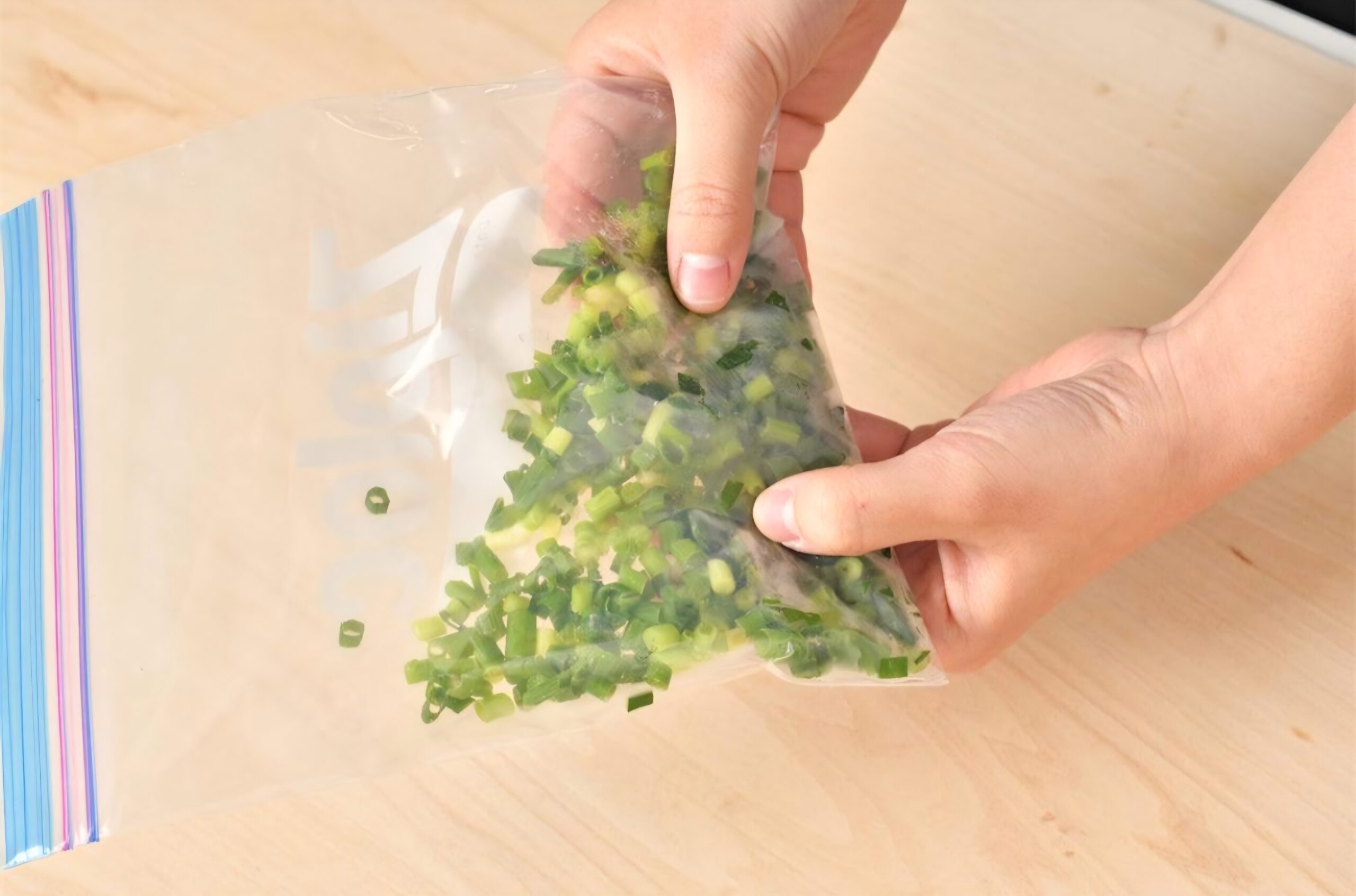
Freezing them in a single layer first helps prevent the pieces from freezing together into one large lump.
You can then take out only the amount you need when cooking.
If you already use your freezer to make cooking easier, you can also find more ideas in these easy freezer meal prep recipes for busy families.
How to Store Green Onions Long Term
If your goal is to keep green onions for a longer period, freezing is more practical than trying to keep fresh green onions in the refrigerator indefinitely.
Fresh green onions are best when used relatively soon after purchase. Refrigeration helps maintain their quality, while freezing is a better choice when you know you won’t use them soon.
Think of it this way:
Use the refrigerator for short-term freshness.
Use the freezer when you need longer storage.
This simple approach can also help reduce food waste and save you from repeatedly buying green onions when you only need a small amount for cooking.
How to Store Green Onions From the Garden
If you grow your own green onions, harvest only what you need when possible.
For onions you want to store, gently remove excess soil and inspect them for damage. Avoid storing onions that are already soft, damaged, or showing signs of decay alongside healthy ones.
If you are storing freshly harvested green onions in the refrigerator, keep them cold and avoid unnecessary moisture.
You can also save the roots from green onions and place them in water or soil if you want to experiment with regrowing them.
How to Tell If Green Onions Have Gone Bad
Before using stored green onions, take a quick look and smell them.
Signs that they should be discarded include:
- A strong unpleasant or rotten smell
- Slimy or excessively mushy texture
- Mold
- Extensive discoloration
- Severe wilting combined with deterioration
- Rot around the roots or lower portion
A little wilting does not necessarily mean the entire bunch is spoiled. If the onions are still firm and otherwise look and smell fresh, you may be able to trim away a damaged portion and use the good parts.
However, if there is visible mold or significant decay, discard them.
Can You Regrow Green Onions After Using Them?
Yes. This is one of the fun things about green onions.
If you have green onions with the roots still attached, you can place the roots in a small amount of water and put them somewhere with adequate light.
The green shoots may begin growing again.
You can continue harvesting the green portion as it grows, although results can vary depending on the condition of the roots and growing conditions.
If you enjoy getting the most from your groceries, this is a simple kitchen experiment worth trying.
Common Mistakes When Storing Green Onions
1. Leaving Them on the Counter for Too Long
Green onions are better suited to refrigerated storage than being left at room temperature for extended periods.
2. Storing Them While Soaking Wet
Excess moisture can contribute to deterioration. If you wash them before storage, dry them thoroughly.
3. Keeping Spoiled Onions With Fresh Ones
One slimy or rotten onion can affect the rest of the bunch. Check them regularly and remove damaged pieces.
4. Freezing Them Without Drying Them
If you freeze wet, chopped green onions, the pieces can stick together and become difficult to portion.
5. Expecting Frozen Green Onions to Stay Crisp
Freezing is excellent for convenience and cooked dishes, but fresh green onions will generally have a better crisp texture.
Which Storage Method Is Best?
It depends on how you plan to use your green onions.
For fresh green onions: Store them in the refrigerator.
Also for green onions with roots: Try the water method if you want to keep them hydrated or experiment with regrowing them.
For chopped green onions: Refrigerate them in a clean container and control excess moisture.
Then for long-term storage: Freeze them.
And for cooked dishes: Frozen green onions work particularly well because texture is less important.
Frequently Asked Questions
Can I Store Green Onions in the Refrigerator?
Yes. Refrigeration is the best option for maintaining the quality of fresh green onions.
How Do I Keep Green Onions From Getting Slimy?
Keep them refrigerated and avoid trapping excess moisture around them. If you use a paper towel, replace it when it becomes damp.
Can I Freeze Fresh Green Onions?
Yes. Wash, dry, chop, and freeze them in a freezer-safe container or bag. They are best used in cooked dishes after freezing.
Should I Cut Green Onions Before Storing Them?
Not necessarily. Whole green onions generally give you more flexibility. If you use them frequently, however, chopping a portion ahead of time can make cooking more convenient.
Can I Store Green Onions in Water?
Yes. If the roots are attached, you can place the roots in a small amount of water and refrigerate them. Change the water regularly and check the onions for spoilage.
How Do I Know When Green Onions Are Bad?
Look for mold, a rotten smell, significant sliminess, severe mushiness, or extensive decay. When in doubt, throw them away.
Ready to Keep Your Green Onions Fresh for Longer?
The next time you bring home a bunch of green onions, don’t just toss them into the refrigerator and hope for the best. Choose the storage method that fits how you plan to use them and give it a try.
Will you store yours in the fridge, keep them in water, or freeze them for later? Let me know in the comments!
If these tips helped you, save this article for the next time you buy green onions and share it with someone who always ends up throwing away wilted vegetables.
And if you often have leftover ingredients after cooking, check out “Can You Freeze Cooked Rice? The Best Way to Store and Reheat It, for another simple way to reduce food waste and make meal prep easier.

Amity Nwoye is the creator of amybenblog, where she shares easy recipes, practical cooking tips, meal planning ideas, and money-saving kitchen hacks. She is passionate about helping home cooks prepare delicious meals with confidence, whether they’re beginners or experienced in the kitchen. Through simple, family-friendly advice, Amity makes cooking more enjoyable, affordable, and stress-free.