My First Baking Disaster
Common baking mistakes can happen to anyone, whether you’re baking your very first cake or you’ve been baking for years. I still remember the first time I baked a cake without anyone standing beside me to help…
The smell was amazing. In fact, it smelled so good that I proudly called everyone into the kitchen before it had even finished baking. I was convinced I had nailed it on my first try.
Then came the disappointing part.
The cake looked perfect until I took it out of the oven. A few minutes later, the center collapsed like someone had pressed it down with a spoon. When I sliced into it, the middle was still wet while the edges were dry. I couldn’t understand what had gone wrong.
At first, I blamed the recipe. Then I blamed my oven. I even wondered if baking just wasn’t for me.
Years later, after many batches of cookies, loaves of bread, muffins, and more cakes than I can count, I realized something important.
Why Most Baking Mistakes Are Easy to Fix
Most baking failures don’t happen because we’re bad bakers.
They happen because we make tiny mistakes that seem harmless at the time.
The good news? Almost all of them are easy to fix once you know what to look for.
If you’ve ever wondered why your cookies spread too much, your cake sinks in the middle, your muffins turn out dry, or your bread refuses to rise, you’re definitely not alone. Every baker, whether they’re just starting out or have years of experience, has faced these frustrating moments.
Let’s talk about the baking mistakes I see most often and, more importantly, how to avoid them.
If you’re just starting your cooking journey, you may also enjoy my guide on Easy Homemade Lasagna Recipe for Beginners, where I share simple techniques that help build confidence in the kitchen.
Why Common Baking Mistakes Make a Big Difference
Thinking Baking Is the Same as Cooking
One of the biggest lessons I learned was that baking isn’t like cooking dinner.
When you’re making soup or stew, you can usually throw in a little more onion, reduce the salt, or add another spice if something doesn’t taste right.
Baking doesn’t work that way.
Think about making pancakes. If you accidentally add too much flour, you might notice the batter feels thick. You can still pour in a little milk to fix it.
Now imagine you’re baking a birthday cake. Once that batter goes into the oven, there’s no second chance to adjust it.
That’s because baking depends on ingredients working together in very specific ways.
- Flour provides structure.
- Eggs help bind everything together.
- Butter adds moisture and richness.
- Sugar doesn’t just make things sweet—it also affects texture, color, and even how soft your cake stays after baking.
- Even something as small as baking powder plays a huge role because it’s responsible for helping your baked goods rise.
When one ingredient is off, the entire recipe can change.
That’s why experienced bakers often say baking is part science and part art.
The science comes from understanding how ingredients react to heat.
The art comes from learning little techniques that make everything come together beautifully.
Once I understood this, I stopped guessing and started paying closer attention to recipes. Ironically, that’s when baking became much easier and far more enjoyable.
The same careful approach applies to cooking too. I share similar beginner-friendly tips in my article on Common Cooking Mistakes That Ruin Your Food (And How to Fix Them).
Common Baking Mistakes When Measuring Ingredients
Guessing Measurements Instead of Measuring Properly
I’ll admit something that makes me laugh now.
When I first started baking, I believed one heaped spoon of flour couldn’t be that different from one level spoon.
I was wrong.
Very wrong.
A little extra flour can make cookies dry.
Too much sugar can cause cookies to spread too much.
Extra liquid can leave a cake heavy instead of light and fluffy.
Unlike cooking, where small adjustments often go unnoticed, baking remembers every shortcut.
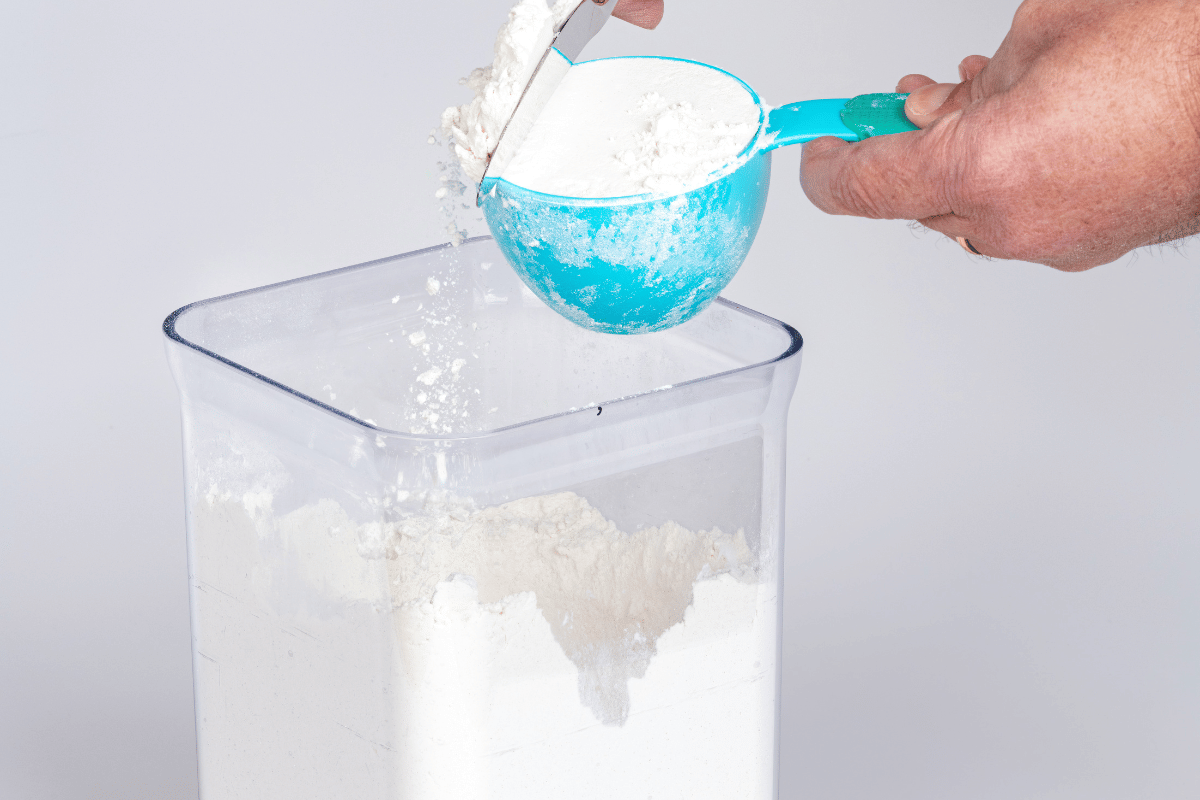
One mistake many beginners make is scooping flour directly from the bag with a measuring cup.
It seems harmless, but scooping packs the flour tightly into the cup. That means you’re using more flour than the recipe intended without even realizing it.
A better habit is to fluff the flour first, gently spoon it into the measuring cup, then level it with the back of a knife.
It takes only a few extra seconds, yet it can completely change your results.
The same applies to brown sugar.
If a recipe says “packed brown sugar,” it means pressing it firmly into the measuring cup.
If it simply says “brown sugar,” don’t pack it unless instructed.
Those tiny details matter much more than most people think.
If you’re unsure how to measure flour correctly, King Arthur Baking’s guide on measuring flour explains the spoon-and-level method that helps prevent dry or dense baked goods.
Common Baking Mistakes with Cold Ingredients
Using Ingredients Straight from the Refrigerator
Have you ever noticed a cake batter that looks curdled or lumpy instead of smooth?
I used to think something had gone terribly wrong.
In reality, my ingredients were simply too cold.
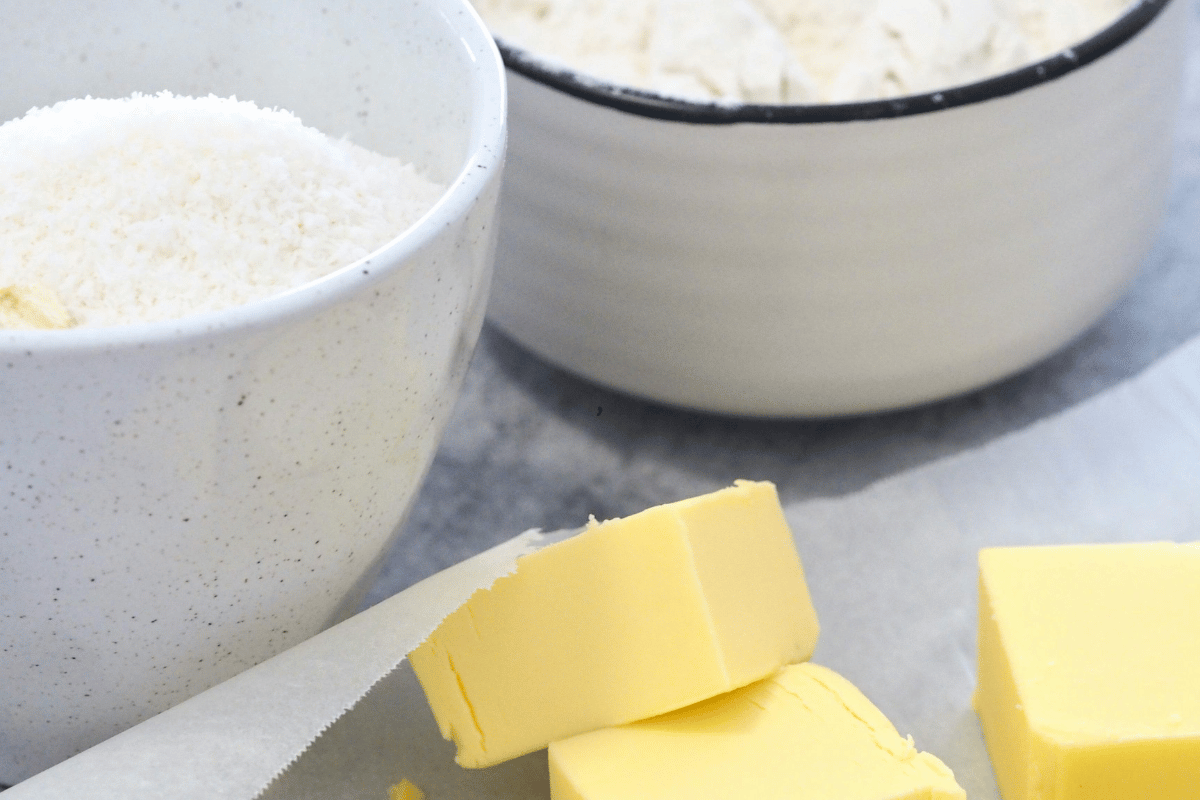
Butter, eggs, cream cheese, and milk blend much better when they’re close to room temperature.
Cold butter refuses to cream properly with sugar.
And Cold eggs can cause butter to harden into little lumps.
Cold dairy ingredients don’t combine as smoothly with the rest of the batter.
The result is often an uneven mixture that doesn’t bake as evenly as it should.
Now, whenever I know I’ll be baking, I take my butter and eggs out of the refrigerator about 30 to 60 minutes beforehand.
If I forget, I don’t panic.
I place the eggs in a bowl of warm—not hot—water for about 10 minutes.
For butter, I simply cut it into small cubes so it softens faster.
It’s such a simple habit, but it has made my cakes noticeably lighter and smoother.
Read the Entire Recipe Before You Start
Rushing Through the Recipe
We’ve all done it.
You skim the recipe because it doesn’t look complicated.
Halfway through mixing, you suddenly notice the words:
“Chill the dough for one hour.”
Or perhaps the recipe says to add the eggs one at a time, but you’ve already poured them all in together.
Suddenly you’re backtracking, trying to fix something that could have been avoided.
Nowadays, I always read an entire recipe before touching a single ingredient.
It only takes a few minutes, but it saves so much frustration.
Sometimes recipes include small instructions that seem unimportant until you skip them.
Maybe the butter needed to be melted instead of softened.
And maybe the oven should have been preheated first.
Maybe the batter wasn’t supposed to sit for too long before baking.
These details aren’t there to make the recipe longer.
They’re there because someone has already tested the recipe multiple times and knows what works.
I’ve learned that successful baking often starts long before the oven is turned on.
It starts with slowing down, reading carefully, and preparing everything before you begin.
Sometimes, the smallest moments of patience lead to the biggest improvements in the kitchen.
Common Baking Mistakes When Mixing Batter
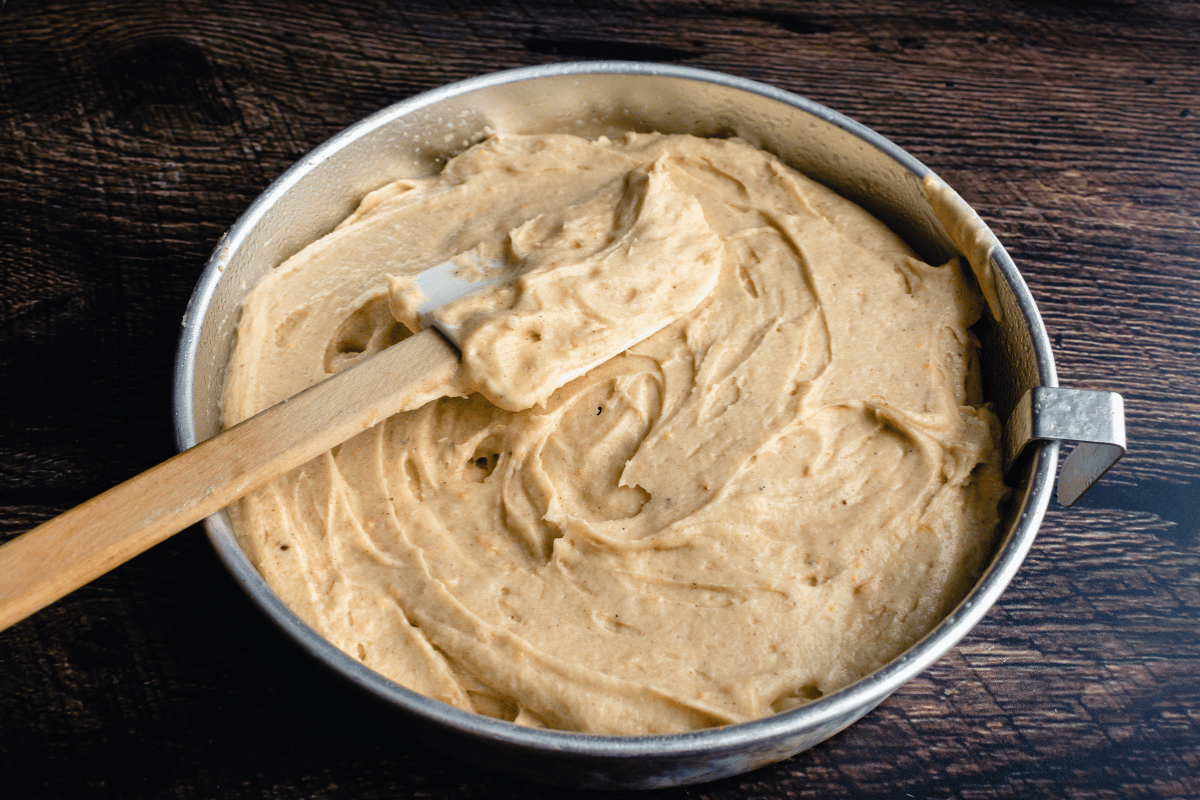
Overmixing the Batter Because “Smoother Must Be Better”
This was one of the hardest habits for me to break.
Whenever I mixed cake batter, I kept stirring until it looked silky smooth. In my mind, lumps meant I hadn’t done a good job.
Ironically, all that extra mixing was ruining my cakes.
It wasn’t until I baked two batches of muffins on the same afternoon that I finally understood the difference. The first batch was mixed just until the dry ingredients disappeared. The second batch was mixed for another three or four minutes because I wanted it to look “perfect.”
The first batch came out soft, fluffy, and tender.
The second batch was dense, chewy, and slightly rubbery.
That day taught me a lesson I haven’t forgotten.
Sometimes, less really is more.
When flour is mixed with liquid, gluten begins to develop. Gluten is the protein that gives bread its chewy texture. That’s wonderful when you’re making pizza dough or artisan bread, but it’s not what you want in a soft vanilla cake or blueberry muffins.
The longer you mix, the more gluten develops.
That’s why many cake recipes tell you to mix “just until combined.”
It’s not because the recipe writer is lazy.
It’s because overmixing changes the texture of your baked goods.
A few tiny lumps in muffin or pancake batter are completely normal. In fact, they’re often a sign that you haven’t overworked the batter.
Now I remind myself of one simple rule:
Once the flour disappears, stop mixing.
Your mixer doesn’t need to keep going just because it’s plugged in.
Keep the Oven Door Closed While Baking
Opening the Oven Every Five Minutes
If I had a dollar for every time I opened the oven door to “check on the cake,” I’d probably own a bakery by now.
There’s something exciting about watching a cake rise.
You can smell the butter, the vanilla, and the sugar filling the kitchen, and naturally you want to see what’s happening inside.
The problem is that every time you open the oven door, a surprising amount of heat escapes.
Your oven has to work hard to build that heat back up.
For delicate baked goods like cakes, soufflés, cheesecakes, and some breads, even a quick drop in temperature can interrupt the baking process.
That’s one reason cakes sometimes sink in the middle.
Instead of opening the oven repeatedly, switch on the oven light and look through the glass door if your oven has one.
If your recipe says the cake should bake for 35 minutes, trust it.
Checking after only 15 or 20 minutes usually does more harm than good.
I know it’s tempting.
Even now, I still catch myself walking toward the oven every few minutes.
But I’ve learned that patience usually produces a much prettier cake.
Common Baking Mistakes When Preheating the Oven
Forgetting to Preheat the Oven
This mistake seems small, yet it can completely change the outcome of a recipe.
I once decided to save time by putting a tray of cookies into the oven while it was still heating up.
My thinking was simple:
“The oven is going to get hot anyway.”
Unfortunately, cookies don’t think like that.
Instead of baking properly, they spread too much before the oven reached the correct temperature.
The result?
Thin, flat cookies that looked nothing like the picture in the recipe.
Preheating isn’t just about getting the oven hot.
It’s about creating the right environment from the very first minute of baking.
When batter or dough enters an oven that’s already at the correct temperature, ingredients like baking powder, baking soda, and yeast begin working exactly as they should.
If the oven is still warming up, those reactions happen at the wrong time.
Now I always preheat first—even if it means waiting another ten or fifteen minutes.
I use that time to wash mixing bowls, wipe down the counter, or prepare the next recipe.
It makes the wait feel productive instead of frustrating.
Learn How Your Oven Bakes
Assuming Every Oven Bakes the Same
One thing nobody told me when I started baking was that ovens have personalities.
Some run hotter than the temperature displayed.
Others take longer to heat up.
Some bake unevenly, leaving one side of your cake darker than the other.
I learned this after moving into a new apartment.
The first batch of cupcakes I baked browned much faster than expected.
At first, I blamed myself.
Later, I discovered the oven was running almost 20 degrees hotter than the setting.
Everything suddenly made sense.
If your cakes always brown too quickly, or your cookies burn on the bottom while remaining pale on top, your oven may not be the problem—it may simply need a little understanding.
An inexpensive oven thermometer can reveal whether your oven is actually reaching the temperature shown on the dial.
Another habit I’ve developed is rotating baking trays halfway through baking whenever the recipe allows.
If I notice the back of my oven cooks faster than the front, turning the tray helps everything bake more evenly.
Learning how your own oven behaves is one of those small things that quietly makes you a better baker.
Common Baking Mistakes When Choosing Baking Pans
Using the Wrong Baking Pan
I used to think a baking pan was just… a baking pan.
If the recipe called for an 8-inch cake pan and I only had a 9-inch one, I assumed it wouldn’t matter much.
It did.
The cake baked faster because the batter was spread thinner.
The edges became dry before the center had enough time to finish baking.
The opposite can happen too.
Pour cake batter into a pan that’s too small, and the batter may overflow, creating a sticky mess inside your oven.
Even the material of the pan makes a difference.
Dark-colored pans absorb more heat and often brown baked goods more quickly.
Glass dishes retain heat differently than metal pans.
That’s why many recipes recommend reducing the oven temperature slightly when baking in glass.
Now, before I start baking, I double-check that I have the correct pan size.
If I don’t, I look up the proper conversion instead of guessing.
It saves ingredients, saves time, and usually saves me from disappointment too.
Common Baking Mistakes with Expired Ingredients
Ignoring Ingredient Expiration Dates
I’ll confess something that still makes me smile.
There was a time I believed baking powder lasted forever.
If it looked white and powdery, surely it was still fine.
Then one weekend, I baked a beautiful lemon cake that barely rose.
The flavor was good, but it looked more like a giant pancake.
The culprit wasn’t the recipe.
It was a container of baking powder that had been sitting in my cupboard far longer than I realized.
Ingredients like baking powder, baking soda, and yeast gradually lose their strength over time.
They may still look perfectly normal, but they won’t produce the lift your recipes need.
Now I make it a habit to check expiration dates before I begin baking, especially if I haven’t used an ingredient in several months.
Replacing one inexpensive container of baking powder is far cheaper than wasting butter, eggs, flour, and all the effort that went into mixing the batter.
Sometimes, the smallest ingredients make the biggest difference.
Keeping fresh pantry staples on hand makes every recipe easier, whether you’re baking desserts or preparing quick family dinners like these 20-Minute Pasta Recipes for Busy Weeknights.
Let Your Baked Goods Cool Properly
Letting Baked Goods Cool the Wrong Way
After spending an hour mixing, measuring, and waiting for something to bake, it’s understandable to want to taste it immediately.
I used to be that person.
The moment a cake came out of the oven, I was already reaching for a knife. If it was cookies, I grabbed one straight from the baking tray, even if it was still too hot to hold.
What I didn’t realize was that baking doesn’t stop the second you remove something from the oven.
There’s still a lot happening.
A cake continues to set as it cools. Cookies firm up on the baking sheet. Bread finishes cooking inside from the heat that’s already trapped in the loaf.
The first time I baked banana bread, I sliced it while it was piping hot because I couldn’t wait. The knife came out covered in soft crumbs, and the middle looked almost undercooked.
I thought I had ruined it.
An hour later, the rest of the loaf had cooled completely, and the slices held together perfectly.
That experience taught me that patience doesn’t end when the timer goes off.
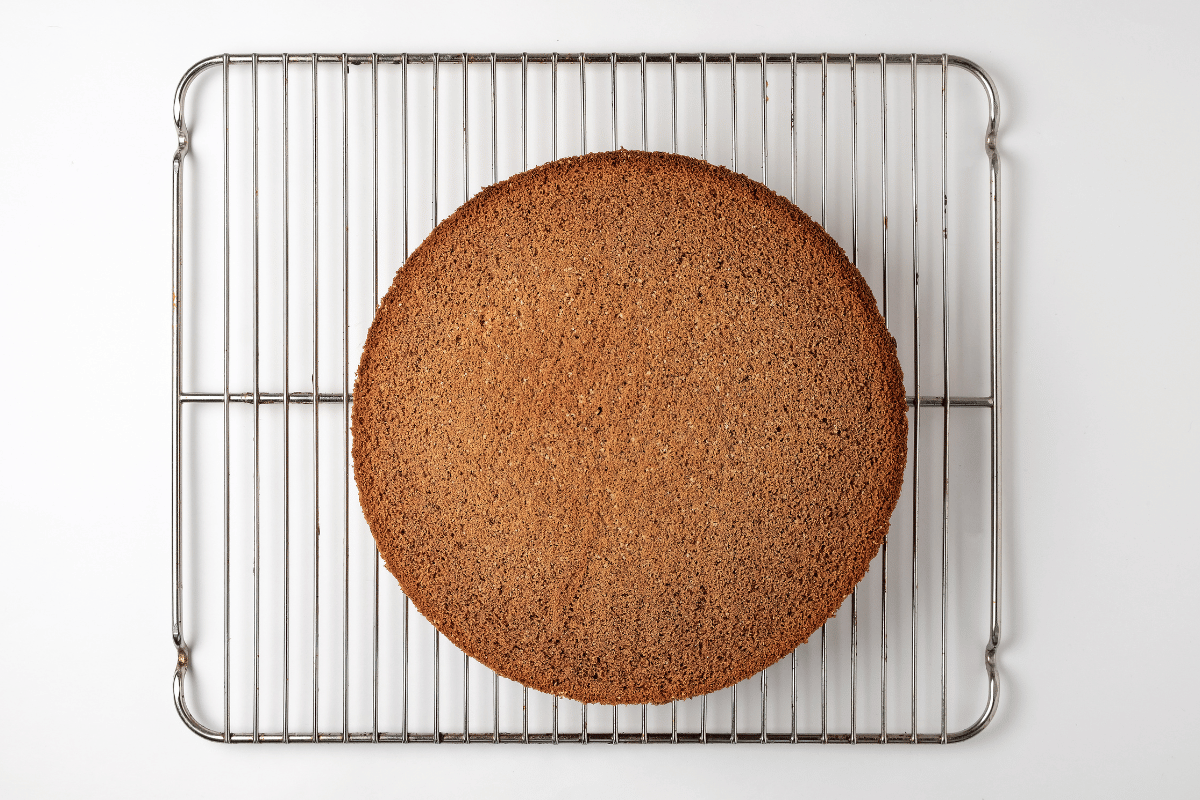
Most cakes only need about 10 to 15 minutes in the pan before being transferred to a wire rack. Cookies usually benefit from sitting on the baking tray for a few minutes before being moved. Bread often tastes even better after it’s had enough time to cool because the texture has finished developing.
Waiting can feel like the hardest part, but it’s often the difference between neat slices and a crumbly mess.
Common Baking Mistakes When Changing Recipes
Making Too Many Changes to a Recipe at Once
I completely understand the temptation.
You find a recipe online, but you decide to use less sugar, swap butter for oil, replace regular flour with almond flour, double the vanilla, and throw in some chocolate chips because… why not?
Sometimes it works.
Most times, it doesn’t.
Recipes are carefully balanced. Changing one ingredient can affect the others in ways you might not expect.
Butter isn’t only there for flavor. It affects texture.
Sugar isn’t just sweetness. It helps retain moisture, contributes to browning, and influences how soft or crisp the final bake becomes.
Eggs don’t simply hold everything together. They also add structure, richness, and moisture.
When several substitutions happen at once, it’s almost impossible to know what caused the problem if the recipe doesn’t turn out well.
These days, whenever I’m trying a recipe for the first time, I make it exactly as written.
If I decide it needs a little more cinnamon or I’d prefer it slightly less sweet, I make those adjustments the second time around.
That way, I’m learning from the recipe instead of fighting against it.
Think of it like getting directions to someone’s house. The first time, you follow the map. Once you know the route, you can take shortcuts.
Baking works much the same way.
The Small Details That Make a Big Difference
Forgetting That Small Details Matter
One thing I’ve grown to appreciate over the years is that successful baking isn’t usually about one big secret.
It’s about dozens of tiny habits that quietly add up.
- Greasing the cake pan properly.
- Lining the bottom with parchment paper.
- Checking that the oven rack is in the middle position.
- Using fresh ingredients.
- Reading the recipe all the way through before starting.
- Allowing butter to soften naturally instead of melting it in the microwave when the recipe calls for softened butter.
None of these steps feels particularly exciting.
In fact, they’re easy to overlook because they seem so ordinary.
But when you consistently pay attention to those little details, something amazing happens.
Your cakes rise more evenly.
Also your cookies bake more consistently.
Your muffins become lighter.
And your confidence grows with every batch.
I’ve come to realize that experienced bakers aren’t necessarily people who never make mistakes.
They’re simply people who have learned which little details deserve their attention.
And honestly, they’re still learning.
Even after years of baking, I occasionally forget to set a timer or accidentally add an ingredient twice. It happens.
The difference is that I no longer see those moments as failures.
I see them as reminders that baking is a skill, and every skill improves with practice.
Every Baking Mistake Is a Chance to Learn
Don’t Be Afraid to Make Mistakes
If there’s one thing I wish every beginner knew, it’s this:
Nobody becomes a great baker without making a few disappointing cakes first.
Every burned batch of cookies.
Every loaf of bread that didn’t rise.
Then very cake that sank in the middle.
And every tray of muffins that came out too dry.
They all teach you something.
Some of my favorite recipes today only became favorites because the first version didn’t work. I went back, adjusted a few things, baked them again, and learned something new each time.
Those little failures slowly built the confidence I have now whenever I step into the kitchen.
So if your latest bake didn’t turn out the way you hoped, don’t throw away your confidence along with the crumbs.
Take a moment to think about what might have happened.
- Did you overmix?
- Also did you skip preheating the oven?
- Were your ingredients too cold?
- Did you rush the process?
The answer is usually simpler than you think.
And once you fix that one small mistake, your next bake could be your best one yet.
CYA – Let’s Chat!
Avoiding these common baking mistakes doesn’t require years of experience.
Now it’s your turn. I always love hearing real kitchen stories because they remind us that none of us started as expert bakers.
What’s the biggest baking mistake you’ve ever made?
Was it a cake that refused to rise, cookies that turned into one giant cookie, or bread that came out as hard as a brick?
Share your story in the comments below. Your experience might be exactly what another home baker needs to read today.
If this article helped you avoid a baking mishap, consider sharing it with a friend or family member who loves baking. We all know someone who has proudly served a cake that looked perfect on the outside… only to discover the middle was still raw.
Once you understand these common baking mistakes, every batch becomes a little better.
And if you’re looking for more practical kitchen tips, easy recipes, and honest cooking advice from real-life experiences, don’t forget to explore more articles here on AmyBenBlog. There’s always something delicious waiting to inspire your next meal or baking adventure.
Happy baking!
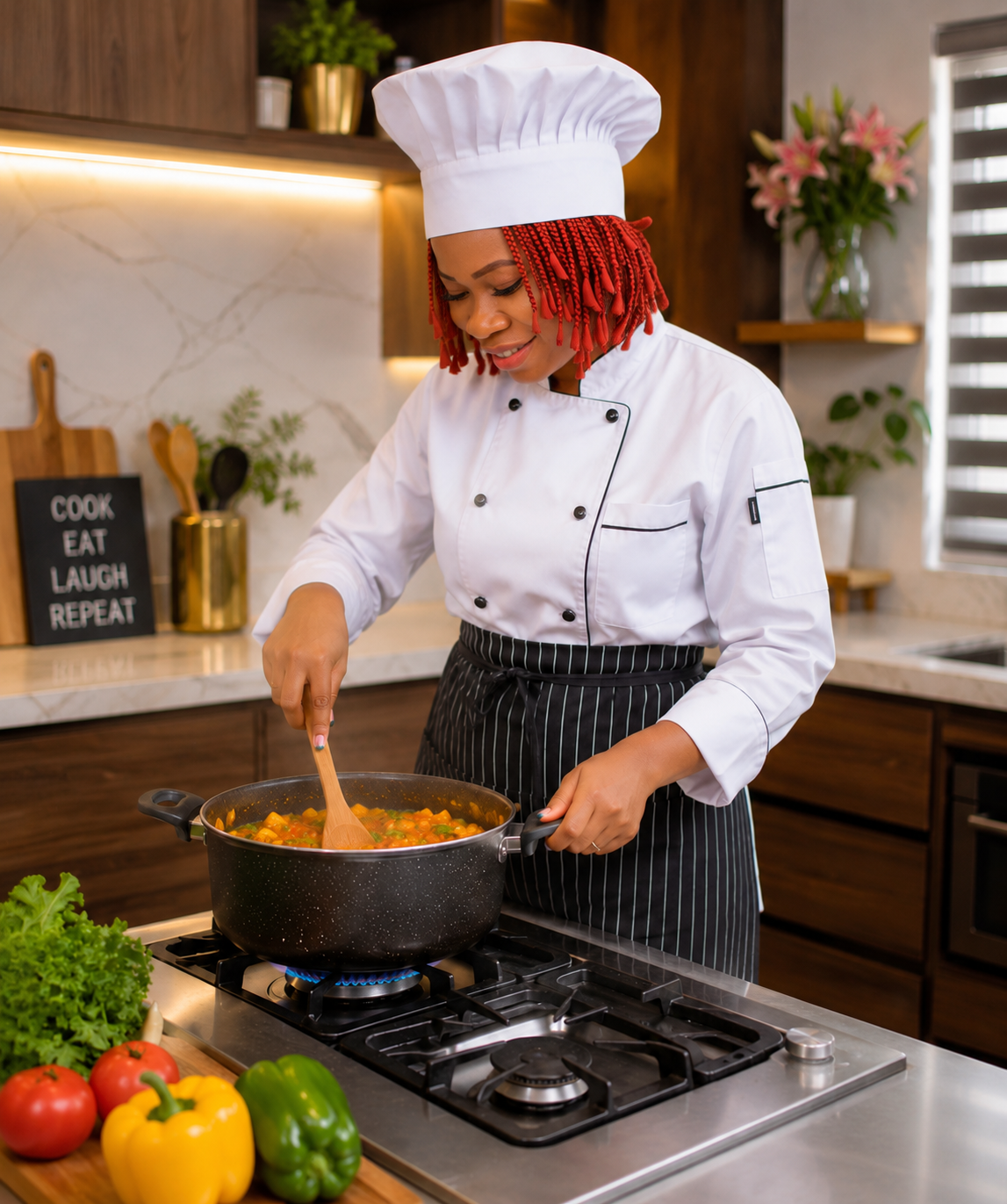
Amity Nwoye is the creator of amybenblog, where she shares easy recipes, practical cooking tips, meal planning ideas, and money-saving kitchen hacks. She is passionate about helping home cooks prepare delicious meals with confidence, whether they’re beginners or experienced in the kitchen. Through simple, family-friendly advice, Amity makes cooking more enjoyable, affordable, and stress-free.