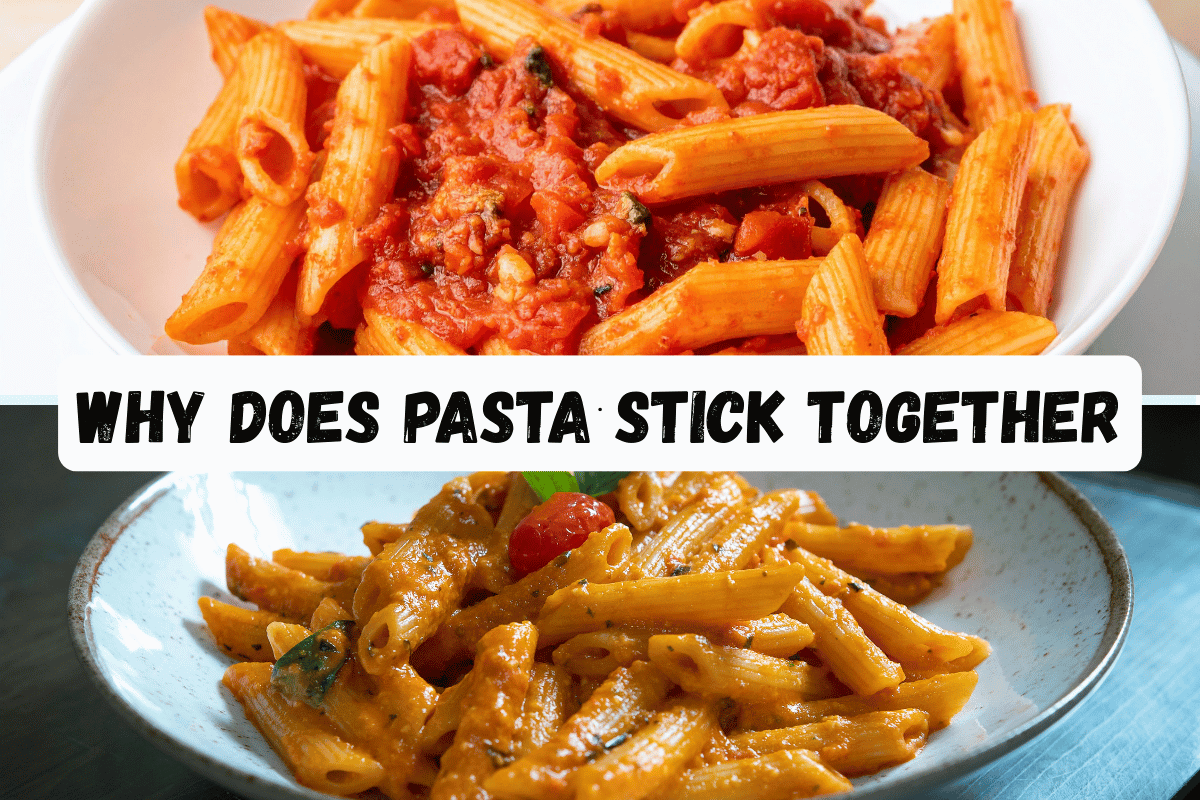
Why does pasta stick together after cooking? I still remember the first time I cooked pasta for a family dinner. Everything seemed to be going perfectly.
The water was boiling, the pasta looked tender, and the sauce smelled amazing. But when it was time to serve, I discovered a problem.
Instead of light, separate strands of pasta, I had a sticky clump sitting in the pot.
At first, I thought I had bought the wrong type of pasta. Then I wondered if I had cooked it too long. After making the same mistake a few more times, I realized that sticky pasta isn’t usually caused by one big error.
It’s often the result of several small mistakes that many home cooks don’t even notice.
If you’ve ever drained a pot of pasta only to find the noodles sticking together, you’re definitely not alone. It’s one of the most common kitchen frustrations, especially when you’re in a hurry or preparing multiple dishes at once.
The good news is that preventing pasta from sticking together is surprisingly simple once you understand why it happens.
In most cases, the culprit is excess starch, improper timing, or a few overlooked cooking habits.
In this guide, I’ll explain exactly why pasta sticks together after cooking, the most common causes, and seven easy fixes that can help you enjoy perfectly cooked pasta every time.
If you’re new to cooking pasta dishes at home, you may also enjoy our Easy Cooking Tips Every Beginner Should Know for more practical kitchen advice.
Understanding why pasta sticks together after cooking can help you avoid common mistakes and improve the texture of every pasta dish you make.
Why Does Pasta Stick Together After Cooking?
Pasta sticks together because of the starch released during cooking. As pasta boils, it releases starch into the water.
When cooked pasta sits without being stirred, coated with sauce, or properly stored, that starch acts like glue and causes the noodles to cling together.
The problem becomes worse when pasta is overcooked, left sitting too long, or cooked in too little water.
Understanding the causes can help you prevent sticky pasta every time.
Cause #1: Not Using Enough Water
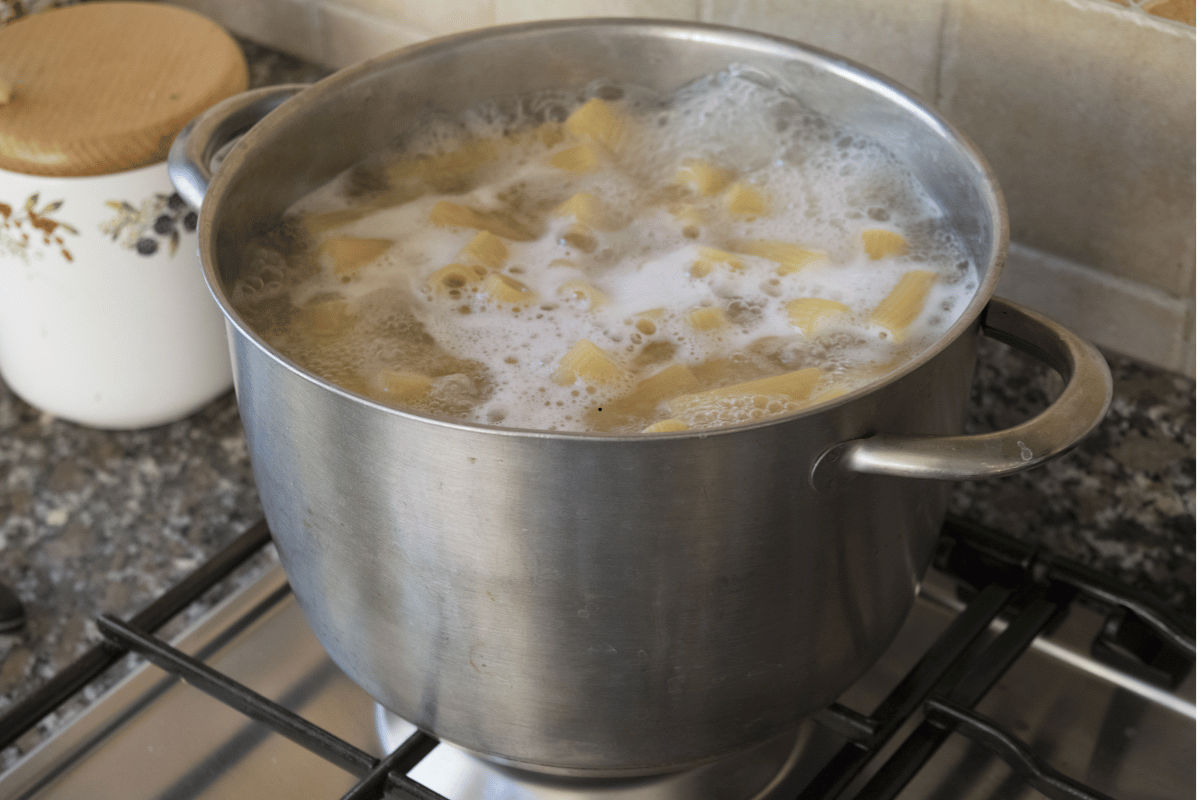
One of the biggest reasons pasta sticks together is using too little water during cooking.
When pasta cooks in a small pot with limited water, the starch concentration becomes much higher.
Instead of dispersing throughout the water, the starch remains concentrated around the pasta and increases the chances of sticking.
Easy Fix
Use a large pot and plenty of water.
A good rule is:
- 4 to 6 quarts (4 to 6 liters) of water for every pound of pasta
- Bring the water to a rolling boil before adding pasta
The extra water allows starch to disperse more effectively and helps the pasta cook evenly.
Cause #2: Not Stirring During the First Few Minutes
Many people add pasta to boiling water and walk away immediately.
This is a mistake.
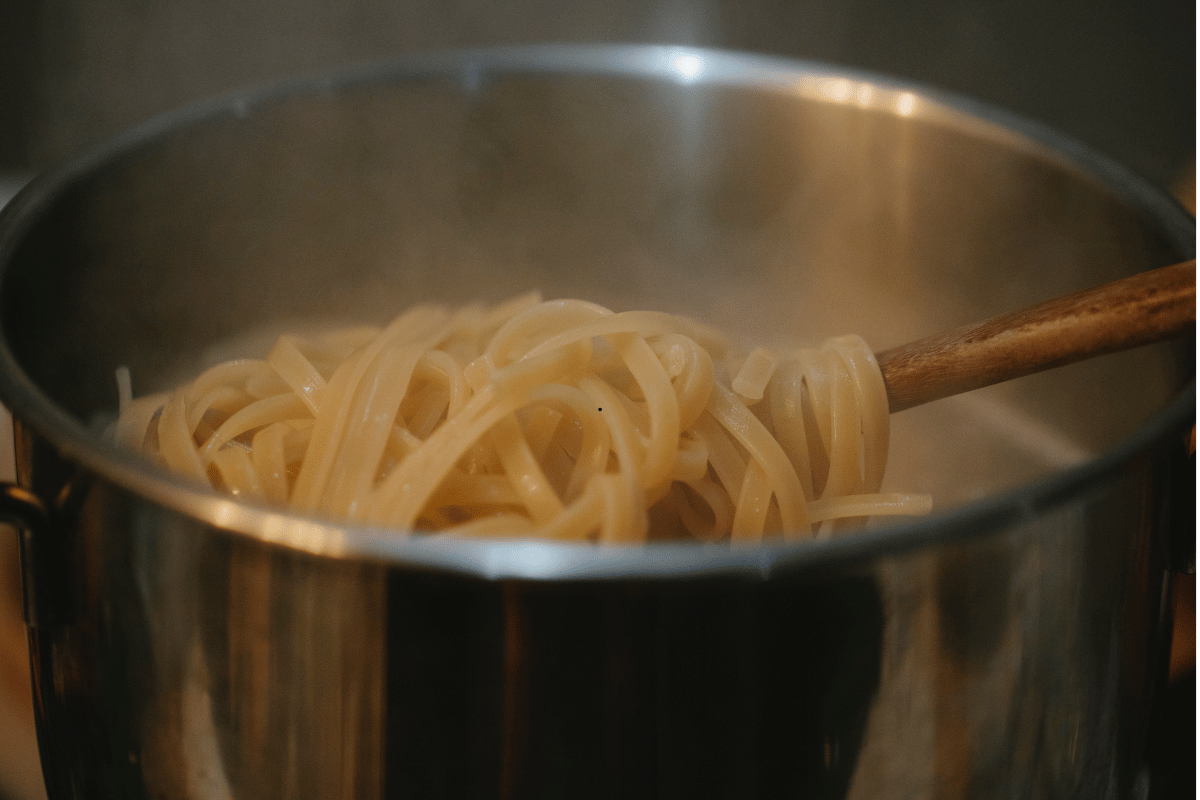
The first few minutes of cooking are when pasta is most likely to stick together. Freshly added noodles release starch quickly, and if they remain in contact, they can bond together before they have a chance to soften.
Easy Fix
Stir the pasta frequently during the first two to three minutes of cooking.
Use a wooden spoon or pasta fork to gently separate the noodles.
After the initial few minutes, occasional stirring is usually enough.
This simple habit can dramatically reduce sticking.
Cause #3: Overcooking the Pasta
Overcooked pasta tends to become soft, mushy, and sticky.
As pasta cooks beyond the recommended time, it releases more starch into the water. The surface becomes softer and more likely to cling to neighboring noodles.
Overcooked pasta also loses its pleasant texture and can fall apart when mixed with sauce.
Easy Fix
Cook pasta until it reaches al dente.
Al dente means the pasta is tender but still slightly firm when bitten.
Check the package instructions, but begin testing the pasta one to two minutes before the suggested cooking time.
Perfectly cooked pasta is less likely to stick and provides a better eating experience.
Learning proper cooking times can improve many recipes. Check out our Restaurant Style Fried Rice at Home to see how timing affects texture in other dishes as well.
Cause #4: Letting Pasta Sit Too Long After Draining
Another common mistake is draining the pasta and leaving it in the colander while preparing the sauce.
Even a few minutes can make a difference.
As the pasta cools, the starch on its surface becomes tacky and causes noodles to cling together.
Easy Fix
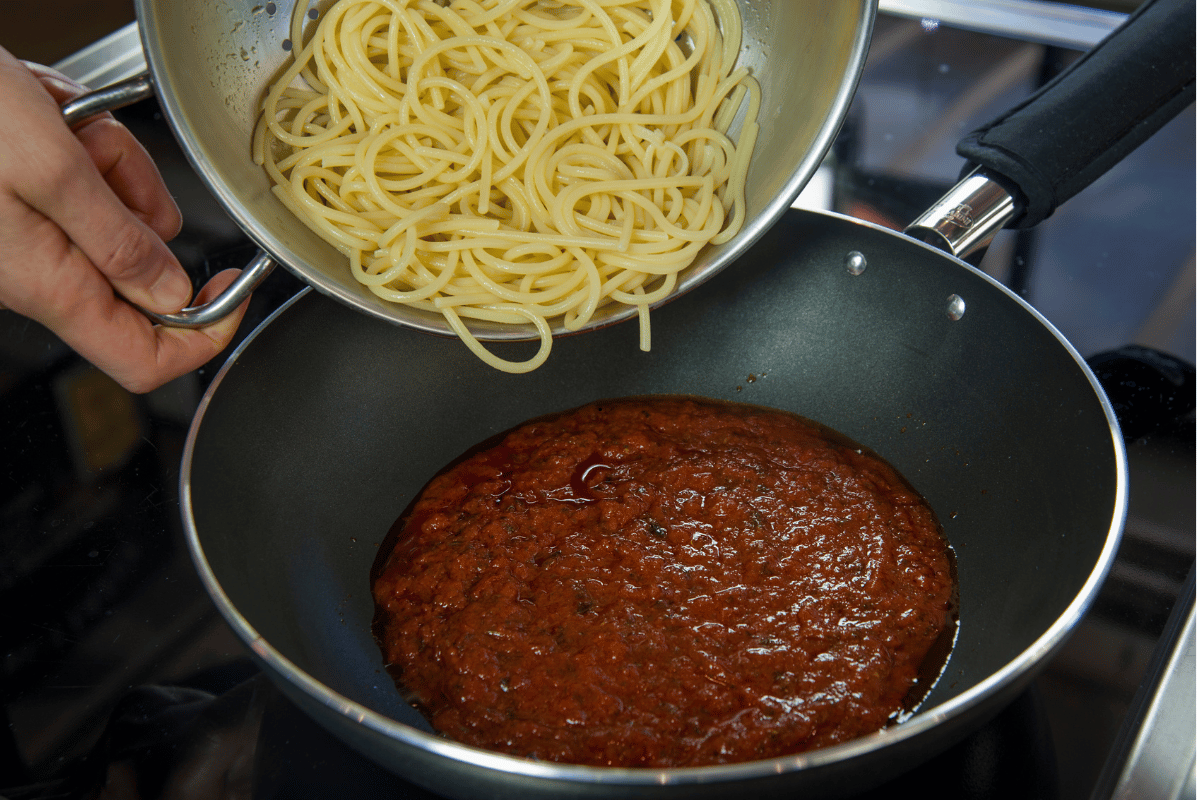
Have your sauce ready before the pasta finishes cooking.
As soon as you drain the pasta, transfer it directly to the sauce.
Mixing pasta with sauce immediately helps coat the noodles and prevents them from sticking.
Professional chefs often finish cooking pasta directly in the sauce for this reason.
One major reason pasta sticks together after cooking is allowing it to sit too long after draining.
Cause #5: Not Tossing Pasta with Sauce Immediately
Many people drain pasta and leave it plain while they focus on other meal preparations.
Unfortunately, plain pasta starts sticking almost immediately.
Without a coating, the starch remains exposed and acts like glue.
Easy Fix
Toss the pasta with sauce as soon as possible.
Whether you’re using tomato sauce, Alfredo sauce, pesto, or olive oil-based sauces, the coating creates a barrier that helps keep noodles separate.
The sauce also enhances flavor and improves texture.
This is one of the easiest ways to prevent pasta from clumping after cooking.
Pairing pasta with a flavorful homemade sauce can make a huge difference. You might also enjoy our Homemade Chicken Soup Recipe for another comforting homemade meal.
Cause #6: Incorrect Storage of Cooked Pasta
Sticky pasta is especially common when storing leftovers.
When cooked pasta is placed in the refrigerator without proper preparation, it often forms a solid mass that is difficult to separate later.
Easy Fix
Before storing cooked pasta:
- Allow it to cool slightly.
- Toss it with a small amount of olive oil.
- Place it in an airtight container.
The oil helps reduce sticking while the airtight container preserves moisture.
If storing pasta with sauce, mix them together before refrigerating.
This method keeps pasta fresher and easier to reheat.
Cause #7: Reheating Pasta the Wrong Way
Even properly cooked pasta can become sticky during reheating.
Microwaving pasta without moisture often dries it out and causes clumping.
Easy Fix
Add a small amount of water, broth, or sauce before reheating.
Cover the dish to trap steam and maintain moisture.
For best results:
- Stir halfway through reheating.
- Add extra sauce if needed.
- Reheat gently rather than using maximum heat.
These steps help restore texture and prevent pasta from becoming sticky.
Should You Add Oil to Pasta Water?
This is one of the most debated pasta cooking questions.
Many people believe adding oil to boiling water prevents pasta from sticking.
In reality, oil floats on top of the water and does very little to stop pasta from sticking during cooking.
Some cooks even avoid adding oil because it can make it harder for sauce to cling to the pasta later.
Better Alternative
Instead of adding oil to the cooking water:
- Use plenty of water.
- Stir frequently.
- Avoid overcooking.
- Toss with sauce immediately after draining.
These methods are far more effective.
Should You Rinse Pasta After Cooking?
The answer depends on the type of dish you’re preparing.
For most hot pasta dishes, rinsing is not recommended because it removes the starch that helps sauce adhere to the noodles.
However, rinsing may be useful for:
- Pasta salad
- Cold noodle dishes
- Recipes requiring rapid cooling
For traditional pasta dishes, skip the rinse and transfer the pasta directly into the sauce.
If you enjoy preparing make-ahead meals, our Freezer Meal Prep Recipes for Busy Families includes several dishes that can be stored and reheated successfully.
How Restaurants Keep Pasta from Sticking
Restaurants use several techniques to prevent sticky pasta.
Many professional kitchens:
- Cook pasta in large amounts of water.
- Stir frequently during cooking.
- Drain pasta promptly.
- Toss cooked pasta with a small amount of oil if it will be held temporarily.
- Finish pasta directly in the sauce.
These methods help maintain texture and prevent clumping during service.
You can use the same techniques at home for better results.
Best Types of Pasta for Saucy Dishes
Some pasta shapes naturally resist sticking better than others.
Popular options include:
Penne
The tube shape allows sauce to coat evenly while reducing surface contact.
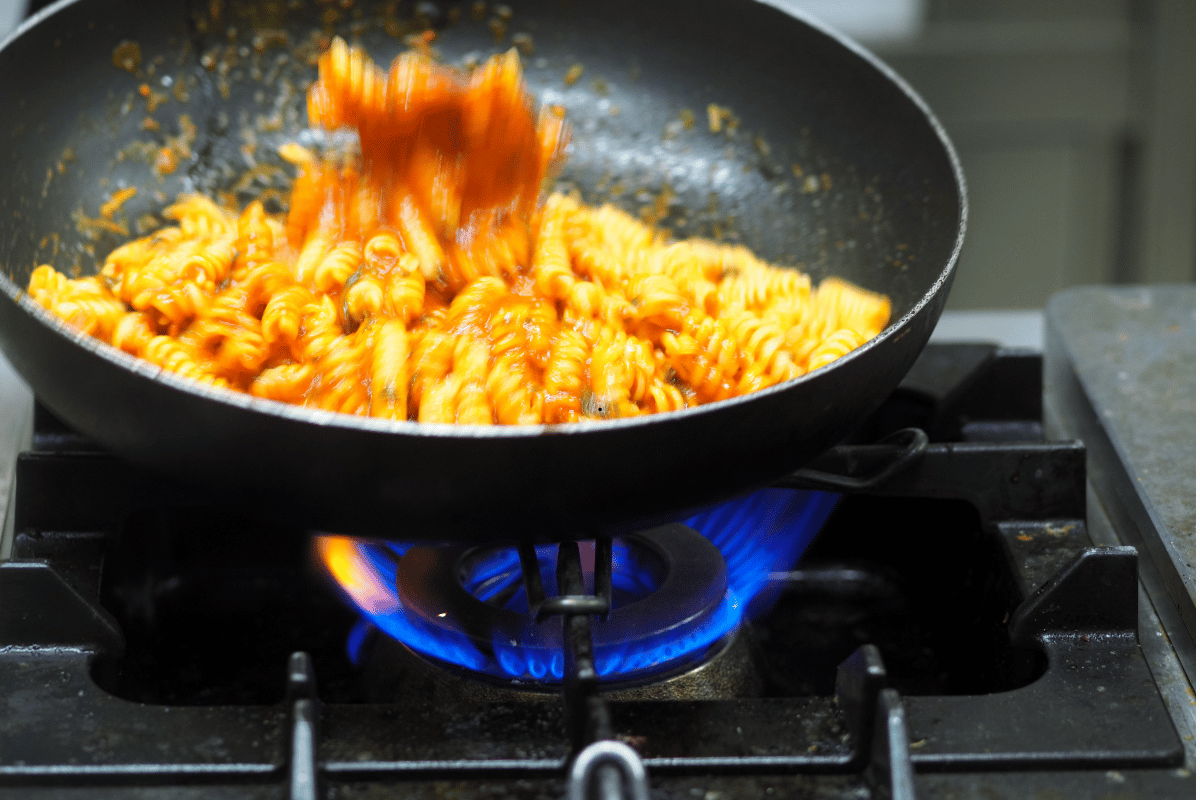
Fusilli
The spiral design helps sauces cling while minimizing clumping.
Rigatoni
Its ridged surface captures sauce effectively and stays separated.
Farfalle
The bow-tie shape creates less direct contact between pieces.
While all pasta can stick if cooked improperly, these shapes are often easier to manage than long noodles like spaghetti.
Quick Summary: How to Stop Pasta from Sticking After Cooking
If you want perfectly separated pasta every time, remember these tips:
- Use plenty of boiling water.
- Stir during the first few minutes.
- Avoid overcooking.
- Drain promptly.
- Mix with sauce immediately.
- Store leftovers correctly.
- Reheat with added moisture.
Following these simple steps will dramatically reduce sticking and improve the quality of your pasta dishes.
Frequently Asked Questions
Why does spaghetti stick together after cooking?
Spaghetti sticks together because of surface starch. The problem becomes worse when the noodles are left sitting after draining or aren’t mixed with sauce promptly.
Can olive oil stop pasta from sticking?
A small amount of olive oil can help prevent cooked pasta from clumping during storage, but adding oil to boiling water is generally ineffective.
How do I keep pasta warm without it sticking?
Keep pasta mixed with sauce and covered until serving. If necessary, add a splash of pasta water to maintain moisture.
Is sticky pasta safe to eat?
Yes. Sticky pasta is usually a texture issue rather than a safety concern. It may not taste as good, but it is generally safe if stored and handled properly.
Should pasta be rinsed after cooking?
For most hot pasta dishes, no. Rinsing removes beneficial starch that helps sauces cling to the noodles.
What Finally Worked for Me
After years of cooking pasta, I discovered that the biggest difference came from one simple habit: having my sauce ready before the pasta finished cooking.
In the past, I would drain the pasta and let it sit while I prepared the sauce. Within minutes, the noodles would start sticking together. Once I began transferring the pasta directly into the sauce, the problem almost disappeared.
I also learned the importance of using a larger pot and stirring during the first few minutes of cooking. These small changes took almost no extra effort, yet they completely transformed the texture of my pasta dishes.
Sometimes the simplest kitchen tips make the biggest difference.
Final Thoughts
If you’re still wondering why pasta sticks together after cooking, the answer usually comes down to starch, timing, and technique.
If you’ve been wondering why pasta sticks together after cooking, the answer usually comes down to starch, timing, and technique. Fortunately, preventing sticky pasta doesn’t require special equipment or complicated cooking skills.
By using enough water, stirring early, avoiding overcooking, and mixing pasta with sauce immediately, you can enjoy perfectly cooked pasta every time.
If you’re looking for more easy meal inspiration, be sure to browse our collection of family-friendly recipes, meal prep ideas, and beginner cooking guides.
The next time you prepare spaghetti, penne, or fettuccine, apply these simple fixes and you’ll notice a significant improvement in texture, appearance, and flavor.
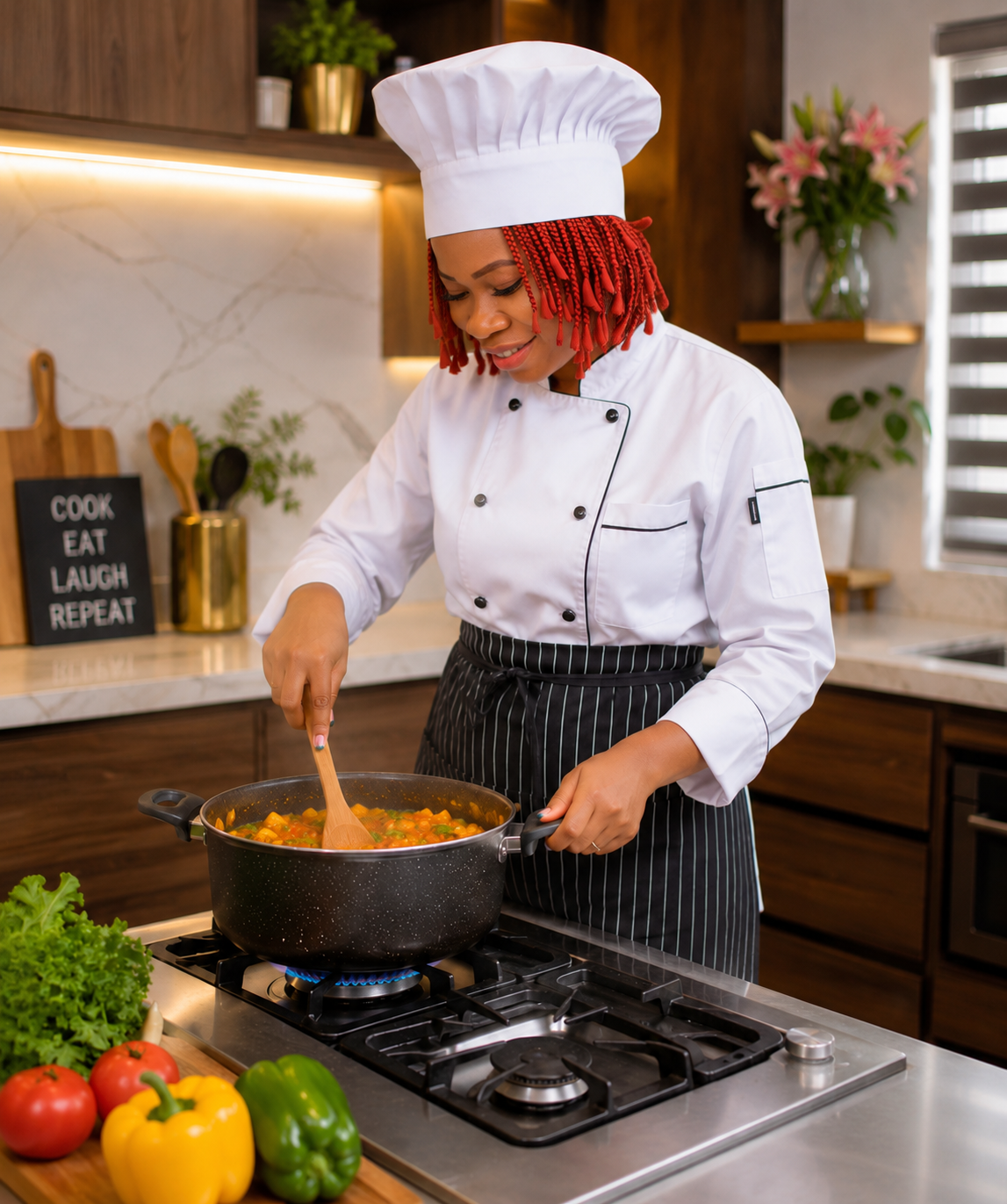
Amity Nwoye is the creator of amybenblog, where she shares easy recipes, practical cooking tips, meal planning ideas, and money-saving kitchen hacks. She is passionate about helping home cooks prepare delicious meals with confidence, whether they’re beginners or experienced in the kitchen. Through simple, family-friendly advice, Amity makes cooking more enjoyable, affordable, and stress-free.