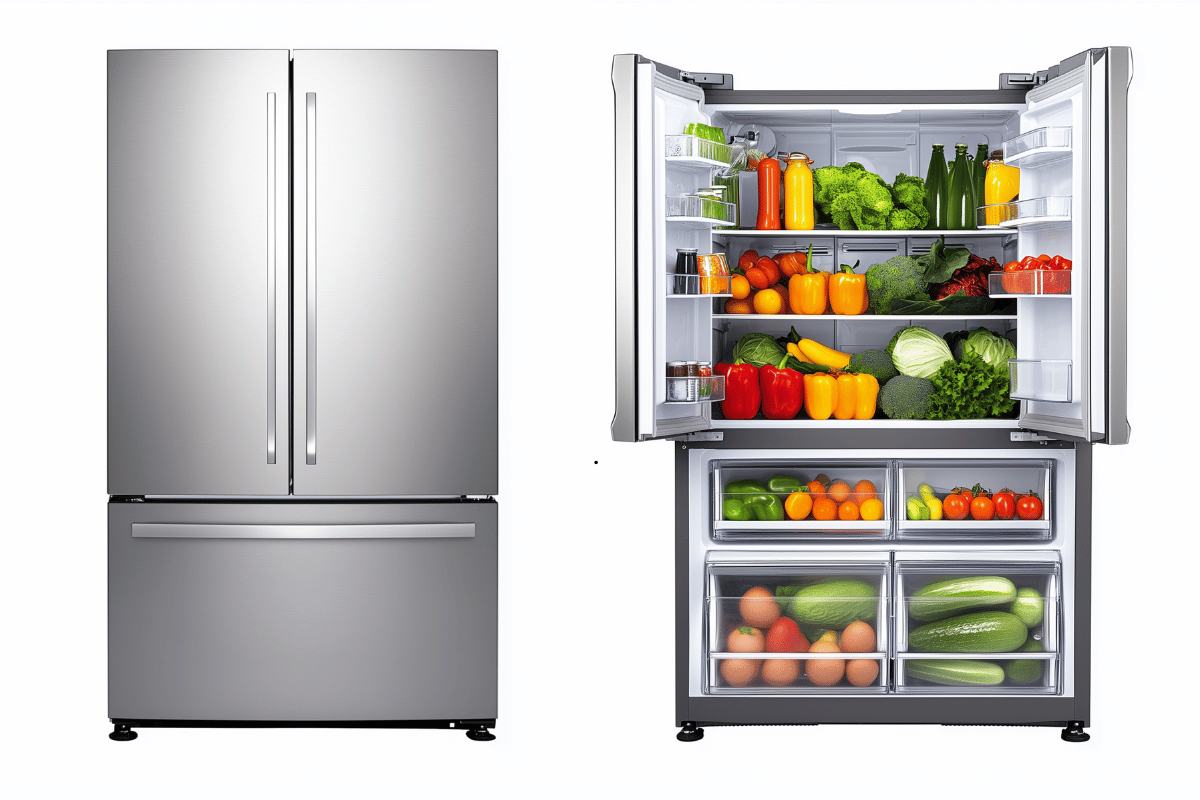
Have you ever opened your refrigerator only to be greeted by a strange smell before you even reached for the milk? If so, you’re not alone. Learning how to keep your refrigerator clean and odor-free is one of the easiest ways to reduce food waste, keep your food fresh, and make your kitchen more enjoyable to use every day.
Not too long ago, opening my refrigerator wasn’t something I enjoyed either. Although it wasn’t dirty enough to cause alarm, an unpleasant odor would occasionally greet me the moment I opened the door.
Naturally, I would start searching every shelf, trying to figure out what had gone bad.
Sometimes the culprit was a forgotten bowl of leftovers tucked behind a container of vegetables. At other times, perfectly good-looking fruit had quietly begun spoiling underneath, creating an odor that spread throughout the refrigerator.
Like many busy people, I kept telling myself that cleaning the refrigerator could wait until the weekend. Unfortunately, weekends quickly filled up with errands, family activities, and other responsibilities.
Before I realized it, another week had passed, and my refrigerator had become crowded with bottles, containers, and ingredients I had completely forgotten about.
One Saturday morning, while preparing breakfast for my family, I spent nearly ten minutes searching for ingredients that should have taken only seconds to find. That frustrating experience made me realize something had to change.
How Cleaning My Refrigerator Changed My Kitchen Routine

Rather than giving the shelves another quick wipe, I decided to do a proper deep clean. Every item came out of the refrigerator, each shelf was washed, expiration dates were checked, and everything was reorganized before going back inside.
At first, I expected the refrigerator to simply look cleaner.
Instead, several unexpected benefits followed.
- I wasted far less food.
- Duplicate grocery purchases became much less common.
- Meal preparation became faster and easier.
- Best of all, the unpleasant smell completely disappeared.
Since then, keeping my refrigerator clean has become one of the easiest kitchen habits I’ve ever adopted. Even better, it saves both time and money without requiring expensive cleaning products or complicated routines.
Today, I only spend a few minutes each week maintaining it, and the results have been well worth the effort.
If you’ve ever opened your refrigerator and wondered where that strange smell came from—or discovered forgotten leftovers hiding behind larger containers, you’ll understand exactly what I mean.
Fortunately, learning how to keep your refrigerator clean and odor-free is much easier than most people think.
Throughout this guide, I’ll share the simple cleaning routine that works for me, practical food storage habits that help prevent odors, and a few natural tricks that keep my refrigerator smelling fresh every day.
Why Keeping Your Refrigerator Clean Is More Important Than You Think
Most of us remember to wipe down kitchen counters, wash dishes, and clean the stovetop after cooking. However, the refrigerator is often overlooked because cold temperatures make us assume everything inside stays fresh indefinitely.
Although refrigeration slows the growth of many bacteria, it doesn’t stop food from spoiling forever. As time passes, fresh vegetables begin to lose their crispness, leftovers eventually expire, fruit softens, and tiny spills become sticky. Meanwhile, crumbs and food particles settle into hidden corners where they’re easy to miss.
Eventually, these small problems combine to create unpleasant odors that spread throughout the refrigerator.
More importantly, a clean refrigerator does much more than improve appearance. Regular cleaning also helps protect the quality and safety of the food your family eats every day.
Benefits of Keeping Your Refrigerator Clean
A clean and organized refrigerator offers several advantages, including:
- Keeping food fresh for longer
- Reducing unpleasant odors
- Minimizing food waste
- Making ingredients easier to find
- Simplifying meal preparation
- Lowering the risk of cross-contamination
- Helping your refrigerator operate more efficiently
I’ve also noticed that cooking becomes much less stressful whenever my refrigerator is organized. Instead of searching through crowded shelves, I know exactly where every ingredient is located.
Although this may seem like a small habit, it makes everyday cooking smoother and far more enjoyable.
The Hidden Reasons Refrigerators Develop Bad Odors
Many people believe that a bad refrigerator smell always comes from spoiled food.
While that’s sometimes true, unpleasant odors usually develop because of several small problems happening at the same time.
For example, one leaking container of strawberries may not produce a strong smell on its own. Likewise, a forgotten cucumber or a small milk spill might seem harmless at first. However, when those issues combine with an uncovered bowl of soup or vegetables beginning to wilt, the entire refrigerator can quickly develop an unpleasant odor that’s difficult to trace.
Understanding the common causes makes preventing refrigerator odors much easier.
Forgotten Leftovers
Leftovers are one of the most common causes of refrigerator odors.
Over time, containers often get pushed behind juice cartons or larger dishes, making them easy to forget. Days—or even weeks, later, they become the source of the mysterious smell.
Fruits and Vegetables Past Their Best
Fresh produce doesn’t always spoil dramatically.
Instead, fruits and vegetables often become soft and release moisture gradually. As a result, unpleasant odors spread throughout the refrigerator long before you notice visible signs of spoilage.
Leafy greens are especially easy to overlook because they’re usually stored inside crisper drawers.
Small Food Spills
Even tiny spills can leave lasting odors if they’re ignored.
Common examples include:
- Milk
- Juice
- Soup
- Salad dressing
- Yogurt
- Sauce
Because these spills often hide beneath containers or shelves, they continue affecting the smell long after they happen.
Strong-Smelling Foods
Certain foods naturally release powerful aromas.
Some common examples include:
- Onions
- Garlic
- Fish
- Strong cheeses
- Cooked cabbage
- Fermented foods
Without airtight containers, these smells can easily spread to nearby foods.
Dirty Vegetable Drawers
Crisper drawers collect much more than vegetables.
Tiny pieces of lettuce, herbs, fruit juice, moisture, and even traces of soil gradually build up at the bottom. Without regular cleaning, these hidden areas become one of the biggest sources of unpleasant refrigerator odors.
Signs Your Refrigerator Needs Cleaning
Sometimes the warning signs are obvious.
In many cases, however, they appear gradually and are easy to overlook until the problem becomes much bigger.
Here are a few clear signs that it’s time to clean your refrigerator.
You Notice an Unpleasant Smell
A lingering odor is usually the first warning sign.
Even if the smell disappears after a few seconds, something inside probably needs attention.
Shelves Feel Sticky
Sticky shelves or condiment bottles usually indicate hidden spills that should be cleaned as soon as possible.
Food Is Hard to Find
When the refrigerator becomes overcrowded, ingredients disappear behind larger containers.
Consequently, you may end up buying duplicate items or forgetting food you already have.
Expired Food Keeps Appearing
Regularly discovering expired yogurt, sauces, or leftovers usually means it’s time to reorganize your refrigerator.
Fruits and Vegetables Spoil Too Quickly
Older produce releases moisture that can affect nearby fruits and vegetables.
For that reason, cleaning your produce drawers regularly helps keep fresh food in better condition and reduces unnecessary food waste.
Step-by-Step Guide to Cleaning Your Refrigerator
The first time I decided to deep-clean my refrigerator, I assumed it would take most of the day. To my surprise, the entire process took less than an hour.
What made the biggest difference wasn’t cleaning faster—it was following a simple step-by-step routine.
Since then, I’ve used the same method every month, and it has kept my refrigerator looking clean, smelling fresh, and much easier to organize. If you’re wondering where to begin, these simple steps will help you get great results without feeling overwhelmed.
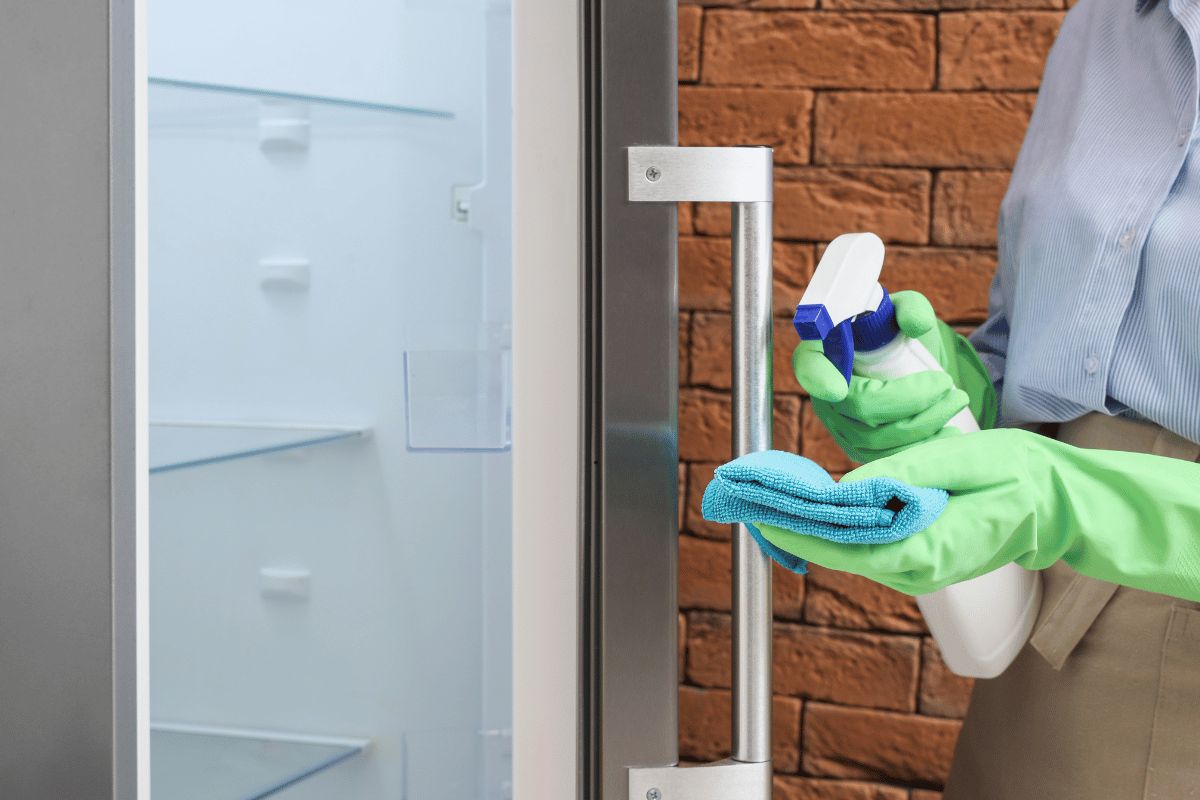
Step 1: Empty the Refrigerator Completely
Start by taking everything out of your refrigerator.
Although this may seem like extra work, removing every item allows you to spot hidden spills, expired food, and crumbs that are usually hidden behind containers.
As you remove each item, check both the expiration date and its condition.
Throw away anything that:
- Has expired
- Shows signs of mold
- Smells unusual
- Has changed color or texture
- Has been sitting in the refrigerator longer than you can remember
At the same time, wipe down jars, bottles, and condiment containers before placing them back. Surprisingly, these items often become sticky without us noticing.
Step 2: Remove the Shelves and Drawers
Once the refrigerator is empty, carefully remove the shelves and crisper drawers.
Wash each removable part with warm water and a small amount of mild dish soap.
Pro Tip
Never place a cold glass shelf directly into hot water.
Instead, allow the shelf to reach room temperature first. Sudden temperature changes can cause the glass to crack.
After washing, rinse everything thoroughly and dry each piece with a clean microfiber cloth before putting it back.
Step 3: Clean Every Interior Surface
With the shelves removed, you’ll have easy access to areas that are usually hidden.
Using a soft microfiber cloth, wipe down every interior surface, including:
- Side walls
- Back wall
- Ceiling
- Bottom surface
- Shelf supports
- Door compartments
- Corners
For everyday cleaning, I usually mix warm water with a little white vinegar.
This simple solution removes light stains, cuts through grease, and helps eliminate unpleasant odors without leaving behind harsh chemical residues.
If you prefer an odor-free cleaner, baking soda mixed with warm water works just as well.
Step 4: Clean the Door Seals
Many people forget about the rubber gasket around the refrigerator door.
However, this area collects dust, crumbs, food particles, and moisture every time the door is opened.
Use a damp cloth or a soft toothbrush to gently clean between the folds of the seal.
Not only does this improve cleanliness, but it also helps the refrigerator door seal properly, making your appliance more energy-efficient.
Step 5: Dry Everything Thoroughly
Before returning the shelves and food, make sure every surface is completely dry.
Leaving moisture behind encourages mold growth and can cause unpleasant odors to return sooner than expected.
Although waiting a few extra minutes may seem unnecessary, drying every surface properly helps keep your refrigerator cleaner for much longer.
Natural Ways to Keep Your Refrigerator Smelling Fresh
One of the best things about refrigerator maintenance is that you don’t need expensive odor eliminators.
In fact, some of the most effective natural deodorizers are probably already in your kitchen.
Use Baking Soda
Baking soda has remained one of my favorite refrigerator deodorizers for years.
Simply place an open box or a small bowl on one of the shelves.
As it sits inside the refrigerator, the baking soda naturally absorbs many everyday food odors.
For the best results, replace it every month.
Fresh Lemon
Whenever I use lemons for cooking, I sometimes save half of one and place it in a small dish inside the refrigerator.
Not only does it leave behind a fresh citrus scent, but it also helps reduce mild food odors for several days.
Coffee Grounds
Don’t throw away your used coffee grounds just yet.
After allowing them to dry completely, place them in a shallow container inside the refrigerator.
They naturally absorb lingering odors while adding very little scent of their own.
Activated Charcoal
Activated charcoal is another excellent natural odor absorber.
Unlike air fresheners, it doesn’t mask unpleasant smells. Instead, it traps odor-causing particles, making it especially useful after storing fish, onions, garlic, or other strong-smelling foods.
Smart Food Storage Habits That Prevent Odors
Cleaning your refrigerator is only half the solution.
Just as important is the way you store your food every day.
Over the years, I’ve discovered that a few simple storage habits keep my refrigerator cleaner for much longer.

Store Leftovers in Airtight Containers
Leaving food uncovered allows moisture and odors to spread throughout the refrigerator.
Instead, use airtight containers to keep leftovers fresh while preventing different smells from mixing together.
Label Homemade Meals
Whenever I prepare meals in advance, I write the preparation date on every container.
As a result, it’s much easier to see which meals should be eaten first.
This simple habit also helps reduce food waste.
Keep Raw Meat on the Bottom Shelf
For food safety, always store raw meat on the lowest shelf.
If any juices leak, they won’t drip onto ready-to-eat foods stored below.
Consequently, you’ll reduce the risk of cross-contamination inside your refrigerator.
Avoid Overcrowding
After grocery shopping, it’s tempting to fill every available space.
However, refrigerators work best when cool air can circulate freely around the food.
Leaving small gaps between containers helps maintain a consistent temperature and keeps food fresh for longer.
Use Clear Storage Containers
Transparent storage containers make it much easier to see what’s inside.
Instead of forgetting leftovers hidden at the back of the refrigerator, you’ll notice them sooner and use them before they spoil.
As an added bonus, clear containers also make your refrigerator look more organized.
If you regularly cook in batches, don’t miss my guide on how to store cooked rice safely, which explains the best ways to keep leftovers fresh and safe for later meals.
My Weekly Refrigerator Cleaning Routine
Many people assume I spend a lot of time cleaning my refrigerator.
Actually, that’s not the case.
Most weeks, I spend less than ten minutes keeping everything clean and organized.
Before planning meals each weekend, I quickly:
- Check expiration dates.
- Throw away spoiled food.
- Wipe up any fresh spills.
- Rearrange items if necessary.
- Remove old leftovers.
- Inspect fruits and vegetables.
- Wipe sticky bottles and containers.
Because I stay consistent with this routine, mess never has a chance to build up.
Instead of spending hours deep-cleaning every few months, I simply maintain the refrigerator a little at a time.
As a result, cooking feels much more enjoyable, ingredients are easier to find, and my refrigerator stays fresh all week long.
Common Refrigerator Cleaning Mistakes to Avoid
Even with a regular cleaning routine, it’s still easy to make small mistakes that lead to unpleasant odors or spoiled food. Fortunately, most of these problems are easy to avoid once you know what to look for.
Should your refrigerator start smelling bad again shortly after cleaning, one or more of these common habits could be responsible.
Waiting Too Long Between Cleanings
Many of us have said, “I’ll clean it next weekend.”
Unfortunately, one busy weekend often turns into several weeks. During that time, small spills dry up, leftovers expire, and vegetables begin to wilt.
Rather than waiting until your refrigerator looks messy, spend just a few minutes maintaining it each week. As a result, you’ll avoid a major deep-cleaning session later.
Leaving Food Uncovered
Another common cause of refrigerator odors is uncovered food.
For example, a bowl of soup without a lid or leftover rice loosely covered with foil may seem harmless. However, exposed food allows moisture and odors to spread throughout the refrigerator.
To prevent this, store leftovers in airtight containers. Doing so keeps food fresher while stopping different smells from mixing together.
Ignoring Small Spills
At first, a few drops of milk or juice may not seem like a big deal.
After a few days, however, those tiny spills become sticky and begin attracting unpleasant odors.
For that reason, I wipe up spills as soon as I notice them. Although it takes only a few seconds, this simple habit saves a lot of scrubbing later.
Overcrowding the Refrigerator
Years ago, I believed fitting as many groceries as possible into the refrigerator was the best way to maximize space.
Later, I realized that overcrowding actually created more problems than it solved.
When shelves are packed too tightly, cold air can’t circulate properly. Consequently, some foods spoil faster, and finding ingredients becomes much more difficult.
Instead, leave a little space between containers to improve airflow and keep food fresher for longer.
Forgetting to Clean the Vegetable Drawers
Because vegetable drawers are tucked away at the bottom of the refrigerator, they’re easy to ignore.
Over time, they collect moisture, lettuce leaves, herbs, onion skins, and other small food particles.
Now, during every deep clean, I remove and wash the drawers, even when they don’t appear dirty.
That one habit alone has made a noticeable difference in keeping my refrigerator fresh.
My Favorite Refrigerator Organization Tips
Keeping your refrigerator organized isn’t about making it look perfect.
Instead, good organization makes everyday cooking easier, reduces food waste, and helps you find ingredients much faster.
Here are several simple habits that have worked well for me.
Group Similar Foods Together
Grouping similar foods together makes everything easier to find.
For example, I keep:
- Dairy products together
- Fruits on one shelf
- Vegetables in the crisper drawers
- Condiments on the refrigerator door
- Drinks in one designated section
As a result, every item has a designated place, so I spend far less time searching for ingredients.
Move Older Food to the Front
Whenever I return from grocery shopping, I place newer items behind older ones.
This simple rotation system reminds me to use older food first.
Consequently, I waste much less food and rarely throw away forgotten ingredients.
Use Clear Storage Bins
One of my favorite organization tools is clear storage bins.
Rather than letting items spread across an entire shelf, group similar foods together inside transparent containers.
For example:
- One bin for yogurt, butter, and cheese
- Another for drinks
- A separate bin for deli meats
- One basket for snacks
Whenever you’re looking for something, simply pull out the correct bin instead of searching through the entire shelf.
Give Every Family Member Their Own Space
Families with children may find it helpful to assign each child a small shelf or storage basket for favorite snacks and drinks.
Besides encouraging independence, this system keeps the rest of the refrigerator organized.
As a bonus, everyone knows exactly where to find, and return—their food.
How a Clean Refrigerator Helps You Save Money
Before I developed a cleaning routine, I wasted far more food than I realized.
More than once, I bought another carton of yogurt because I forgot there was already one hidden behind larger containers.
Too often, fresh vegetables spoiled before I remembered to use them.
Likewise, leftovers frequently ended up in the trash simply because they were out of sight.
Everything changed once I started cleaning and organizing my refrigerator regularly.
Today, I can easily see what I already have before writing my grocery list.
Because of that, I buy only the ingredients I actually need.
Although each saving may seem small, they quickly add up over time.
In addition, an organized refrigerator makes meal planning much easier.
Instead of wondering what to cook, I simply look inside and build meals around the ingredients already available.
Ultimately, that’s one of the easiest ways to reduce food waste without changing your grocery budget.
Pair these refrigerator organization tips with my favorite meal prep ideas to make weekday cooking faster and reduce food waste even more.
A Few Habits That Have Made the Biggest Difference
Over the years, I’ve realized that keeping a refrigerator clean and odor-free isn’t about buying expensive cleaning products. Instead, it’s about building a few simple habits that are easy to follow every week.
Although each habit takes only a few minutes, together they have completely changed the way my refrigerator looks, smells, and functions.
Here are the routines that have made the biggest difference for me:
- Wipe up spills as soon as they happen.
- Check leftovers every few days.
- Throw away expired food without hesitation.
- Store food in airtight containers.
- Deep-clean the refrigerator once a month.
- Keep similar foods together.
- Leave enough space for proper air circulation.
By following these simple practices consistently, I’ve reduced food waste, saved money on groceries, and made meal preparation much less stressful.
Monthly Refrigerator Cleaning Checklist
Having a simple checklist makes deep cleaning much easier and ensures that nothing gets overlooked.
Once a Month, Remember to:
- ✔ Empty the refrigerator completely.
- ✔ Check expiration dates.
- ✔ Throw away spoiled or expired food.
- ✔ Remove shelves and drawers.
- ✔ Wash removable parts with warm, soapy water.
- ✔ Wipe the interior using a vinegar or baking soda solution.
- ✔ Clean the door seals thoroughly.
- ✔ Dry every surface before reassembling.
- ✔ Replace your baking soda or activated charcoal.
- ✔ Organize food before placing everything back.
Following this checklist each month helps keep your refrigerator clean, fresh, and well organized throughout the year.
My Quick Weekly Refrigerator Routine
Fortunately, keeping a refrigerator fresh doesn’t require hours of cleaning.
In fact, I spend only 5 to 10 minutes each week maintaining mine.
Before planning meals for the week, I make it a habit to:
- Check expiration dates.
- Throw away spoiled food.
- Wipe up fresh spills.
- Inspect fruits and vegetables.
- Remove old leftovers.
- Clean sticky bottles and jars.
- Rearrange items if necessary.
Because I stay consistent, clutter never has a chance to build up.
As a result, monthly deep cleaning becomes much faster and far less overwhelming.
Why Small Habits Make a Big Difference
Many people believe they need a complicated cleaning routine to maintain a fresh refrigerator.
In reality, consistency matters far more than perfection.
Simple actions, such as wiping up spills immediately or checking leftovers every few days, prevent bigger problems from developing later.
Over time, these small habits can help you:
- Reduce food waste.
- Save money on groceries.
- Keep food fresher for longer.
- Make meal planning easier.
- Eliminate unpleasant refrigerator odors.
- Improve food safety.
- Keep your kitchen more organized.
Even though each task is small, the combined results are surprisingly significant.
Keep Your Refrigerator Fresh Every Day
Keeping your refrigerator clean doesn’t have to feel like another chore on your to-do list.
Instead, think of it as a small investment that saves you both time and money.
By cleaning spills immediately, checking expiration dates regularly, and giving your refrigerator a monthly deep clean, you’ll create a kitchen that’s cleaner, fresher, and much easier to work in.
Personally, these simple habits have reduced food waste, improved meal planning, and made everyday cooking much more enjoyable.
Hopefully, they’ll make a positive difference in your home as well.
Remember, the goal isn’t to create a picture-perfect refrigerator.
Rather, it’s about building healthy habits that keep food fresh, reduce waste, and make daily life easier.
Keep Your Refrigerator Clean and Odor-Free Every Day

A clean refrigerator does far more than improve the appearance of your kitchen.
It also helps protect your food, reduces waste, saves money, and makes cooking less stressful.
Best of all, maintaining a clean refrigerator doesn’t require a lot of time.
Start with one small habit today.
Then, build on that routine each week until refrigerator maintenance becomes second nature.
Before long, you’ll enjoy a refrigerator that’s fresh, organized, and ready for every meal.
A well-organized refrigerator also helps you avoid many common cooking mistakes, especially when ingredients stay fresh and easy to find.
For more advice on storing food safely and preventing foodborne illness, visit FoodSafety.gov.
We’d Love to Hear From You
Do you have a favorite refrigerator cleaning tip or a natural trick for keeping your fridge smelling fresh?
Share your ideas in the comments below. Your experience could help other readers keep their kitchens cleaner and more organized.
If you found this guide helpful, please consider sharing it with your family and friends.

Amity Nwoye is the creator of amybenblog, where she shares easy recipes, practical cooking tips, meal planning ideas, and money-saving kitchen hacks. She is passionate about helping home cooks prepare delicious meals with confidence, whether they’re beginners or experienced in the kitchen. Through simple, family-friendly advice, Amity makes cooking more enjoyable, affordable, and stress-free.