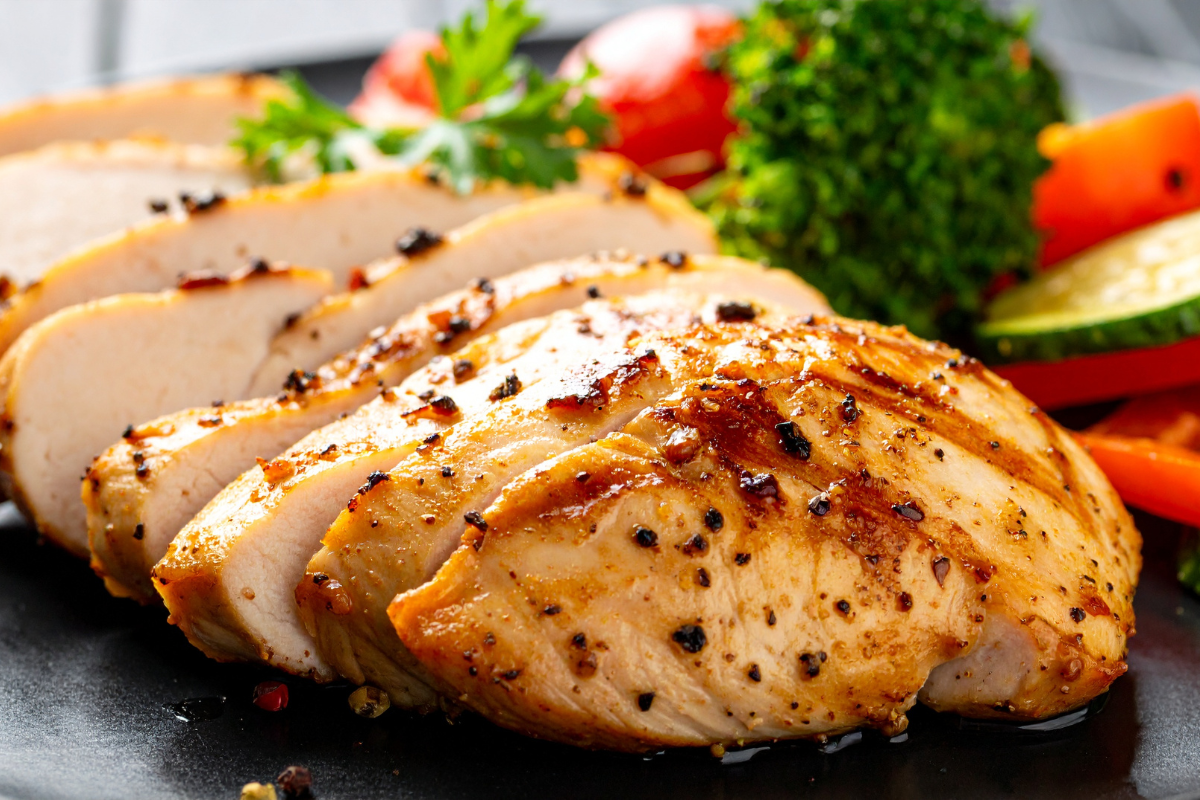
How to make chicken breast juicy and tender is easier than it may seem. If your chicken often turns out dry, chewy, or bland, the problem may not be your recipe. Small things such as thickness, heat, cooking time, and resting can make a big difference.
Chicken breast is one of the most useful ingredients to keep in the kitchen. It works in salads, sandwiches, pasta, rice dishes, wraps, and quick family dinners. But because it contains little fat, it can lose moisture quickly when it is cooked for too long.
I know this from experience. There was a time when I believed leaving chicken on the stove a little longer was the safest option.
I wanted to be completely certain that the middle was cooked. Unfortunately, that extra time often left me with chicken that was safe to eat but far from enjoyable.
Over time, I learned that good chicken is not about cooking it forever. It is about knowing what to do before, during, and after it reaches the heat.
Here are the simple changes that can help you get soft, flavorful chicken breast without making dinner complicated.
Why Does Chicken Breast Get Dry?
Chicken breast is naturally lean, which means it does not have much fat to protect it while cooking.
That makes cooking time especially important.
If the meat stays over heat for too long, moisture is gradually lost and the texture becomes firmer. This is why chicken can go from juicy to dry surprisingly quickly.
Another problem is uneven thickness. A thick piece may need more time in the centre, while its thinner edges are already fully cooked. By the time the middle is ready, those thinner areas may have become tough.
The good news is that these problems are easy to manage.
1. Make the Chicken an Even Thickness
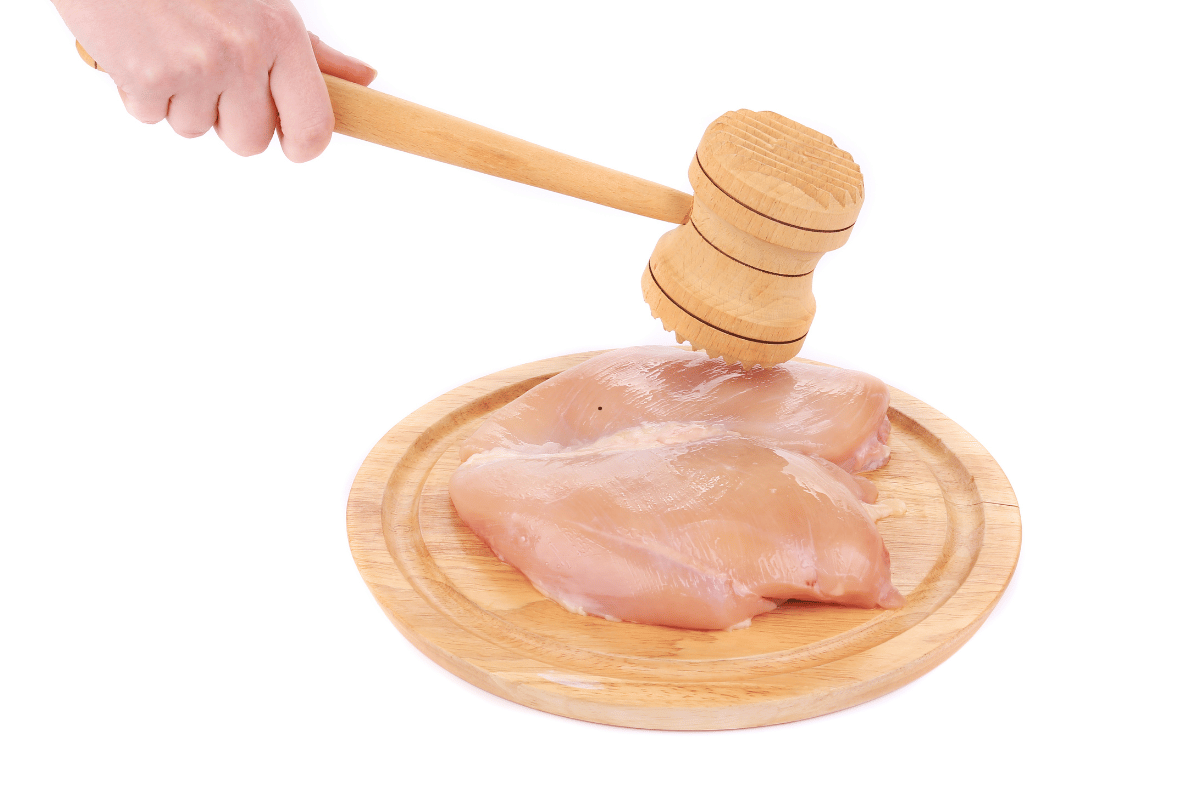
Take a look at most chicken breasts and you will notice that one end is usually much thicker than the other.
That uneven shape can make cooking difficult.
The thin part cooks quickly, while the thick centre takes longer. Instead of waiting for the thickest section to finish while the rest continues cooking, gently flatten the thicker area.
Place the chicken between two sheets of food-safe plastic wrap or inside a suitable bag and use a meat mallet or rolling pin to gently even it out.
You are not trying to make it paper-thin.
You simply want a more consistent thickness.
This gives the heat a better chance of reaching the entire piece at roughly the same rate.
2. Season the Chicken Properly
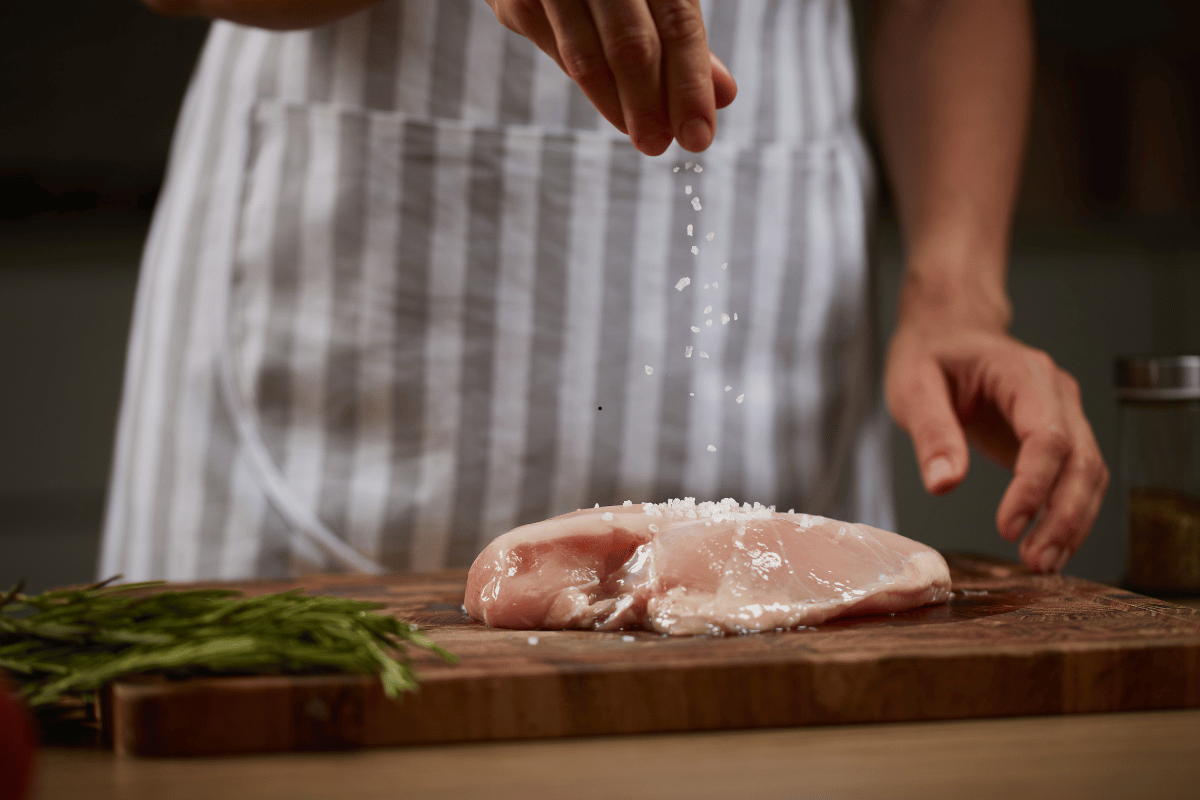
Juicy chicken is important, but tenderness alone will not make it delicious.
Good seasoning brings the meat to life.
For an everyday chicken breast, you can keep things simple with salt, black pepper, garlic powder, paprika, onion powder, and dried herbs.
Rub the seasoning evenly over both sides.
A little olive oil can also help the seasoning cling to the surface while encouraging better browning in the pan.
If you prefer stronger flavours, try adding smoked paprika, dried thyme, Italian seasoning, lemon zest, or a small amount of chilli powder.
You do not need ten different spices.
A few well-chosen ingredients are often enough.
3. Use a Simple Brine for Extra Moisture
If you are specifically looking for how to make chicken breast moist, a simple brine can help.
Brining means soaking the chicken in a salt solution before cooking. The process seasons the meat and can help it retain moisture.
A basic mixture can contain water and salt. You can also add garlic, herbs, peppercorns, or a little sugar for extra flavour.
Keep the chicken refrigerated while it is in the brine, then remove it and pat the surface dry before cooking.
Do not leave it sitting at room temperature.
The USDA also provides guidance on poultry brining and recommends keeping poultry refrigerated during the process.
If you are short on time, you can skip this step. Proper heat control and cooking time are still more important.
4. Dry the Surface Before Cooking
This sounds like a tiny detail, but it matters.
If the outside of your chicken is very wet, the surface can release water into the pan instead of browning properly.
Pat the meat dry with a clean paper towel before seasoning or placing it in the skillet.
A drier surface makes it easier to develop a golden exterior.
That golden surface also adds flavour, which is why properly browned chicken tastes so much better than meat that has simply been steamed in its own moisture.
5. Choose the Right Heat
Getting the heat right is one of the biggest secrets to juicy chicken.
If the pan is extremely hot, the outside may brown quickly while the inside still needs considerable cooking time. You may then leave the chicken over the heat too long, resulting in a dry centre.
If the heat is too low, the chicken may take unnecessarily long to cook.
For stovetop cooking, I prefer a properly heated skillet followed by moderate heat.
Place the seasoned chicken into the pan and allow it to cook without constantly disturbing it.
Once the first side has developed good colour, turn it over and continue cooking.
You are aiming for steady, controlled heat rather than trying to cook as quickly as possible.
6. Stop Flipping It Every Few Seconds
I used to check chicken constantly.
A little flip here.
Another turn there.
Then another check because I was convinced something was going wrong.
That habit did not make the chicken better.
Once the chicken is in the pan, give it enough time to develop a good crust before turning it.
Constant movement makes it harder to brown the surface evenly and can make it difficult to judge how quickly the meat is cooking.
Place it down, let it cook, turn it once when appropriate, and then allow the second side to finish.
Simple.
7. Use Temperature Instead of Guesswork
This is one of the most useful habits for anyone who cooks chicken regularly.
Instead of repeatedly cutting into the centre, use an instant-read food thermometer.
The USDA recommends cooking poultry to an internal temperature of 165°F (73.9°C). The thermometer should be placed in the thickest section of the meat.
This is useful because chicken breasts can vary greatly in size.
A small piece and a very thick piece will not necessarily need the same amount of time.
Temperature gives you a much better indication of doneness than relying on a fixed cooking time.
It also helps prevent unnecessary extra cooking once the chicken has reached the safe temperature.
8. Let It Rest Before Slicing
This was one of the cooking habits I had to learn.
I would remove the chicken from the pan and immediately cut it open because I wanted to serve dinner.
Now I give it a few minutes first.
Resting allows the juices to settle instead of running straight onto the cutting board when you slice into the meat.
You do not need to wait forever.
A short resting period is enough.
Use those few minutes to finish your vegetables, prepare your rice, or set the table.
The result is worth the small wait.
9. Slice Across the Muscle Fibres
Once the chicken has rested, look at the surface carefully.
You may notice fine lines running through the meat. These are muscle fibres.
Slicing across those lines shortens the fibres, making the chicken easier to chew.
This is especially useful when you are preparing chicken for:
- Salads
- Sandwiches
- Wraps
- Pasta
- Rice bowls
- Meal prep
Even well-cooked chicken can feel tougher if it is sliced incorrectly.
10. Add Sauce When You Want More Moisture
Sometimes the easiest way to make chicken more enjoyable is to serve it with something flavorful.
You could use:
- Garlic butter
- Lemon and herbs
- Tomato sauce
- Mild curry sauce
- Honey mustard
- Yogurt dressing
You do not need to cover the chicken completely.
A small amount of sauce can add moisture and create a completely different meal from the same basic chicken breast.
This is also useful when you are cooking several portions for the week and want to change the flavour from one meal to another.
How to Make Chicken Breast Juicy on the Stove
The stovetop is one of my favourite methods when I need dinner without waiting for the oven.
Start by making the chicken an even thickness.
Season both sides.
Heat a skillet over moderate heat and add a small amount of cooking oil.
Place the chicken in the pan and leave it undisturbed long enough for the first side to brown.
Turn it over and continue cooking.
If the outside is becoming dark too quickly, reduce the heat so the centre can cook without the surface burning.
Use a food thermometer to check the thickest section.
Once it reaches 165°F, remove the chicken from the heat and let it rest before slicing.
The exact time will depend on the size and thickness of your chicken, so temperature is a more reliable guide than simply following a certain number of minutes.
How to Make Chicken Breast Tender in the Oven
The oven is useful when you are cooking several chicken breasts together.
Start by bringing the pieces to a similar thickness.
Season them well and place them in a suitable baking dish.
A light coating of oil can help prevent the surface from becoming overly dry.
Bake until the thickest section reaches the recommended internal temperature.
Avoid leaving the chicken in the oven simply because a recipe says it should cook for a certain amount of time.
Different breasts have different sizes.
Your thermometer should be the final guide.
Once the chicken is cooked, allow it to rest briefly before serving.
If you enjoy quick chicken dinners, try these easy garlic butter chicken bites when you want something flavorful without spending hours in the kitchen.
How to Make Chicken Breast Not Dry
If your chicken repeatedly comes out dry, go through this quick checklist:
Is the chicken unevenly thick?
Flatten the thick section so it cooks more consistently.
Are you using very high heat?
Reduce the temperature if the outside is browning too quickly.
Are you cooking by time alone?
Use a thermometer instead.
Are you cutting it immediately?
Give it a few minutes to rest.
Are you cooking very thin pieces for the same amount of time as thick ones?
Adjust the cooking time according to size.
Are you leaving cooked chicken uncovered for too long?
Serve it promptly or store it properly once it has cooled.
Sometimes fixing one of these habits is enough to completely change the texture.
Why Is My Chicken Breast Tough Even When It Is Cooked?
Tough chicken does not always mean that you did something terribly wrong.
The most common reason is overcooking.
When chicken remains over heat beyond what is necessary, the texture becomes firmer and drier.
Uneven thickness can also contribute to the problem. If the thickest part needs much longer to cook, the thinner areas may suffer while you wait for the centre.
Another possibility is cutting the meat immediately after cooking.
Allowing it to rest gives the juices time to settle.
Finally, the way you slice the chicken matters. Cutting across the muscle fibres generally gives you a more pleasant bite.
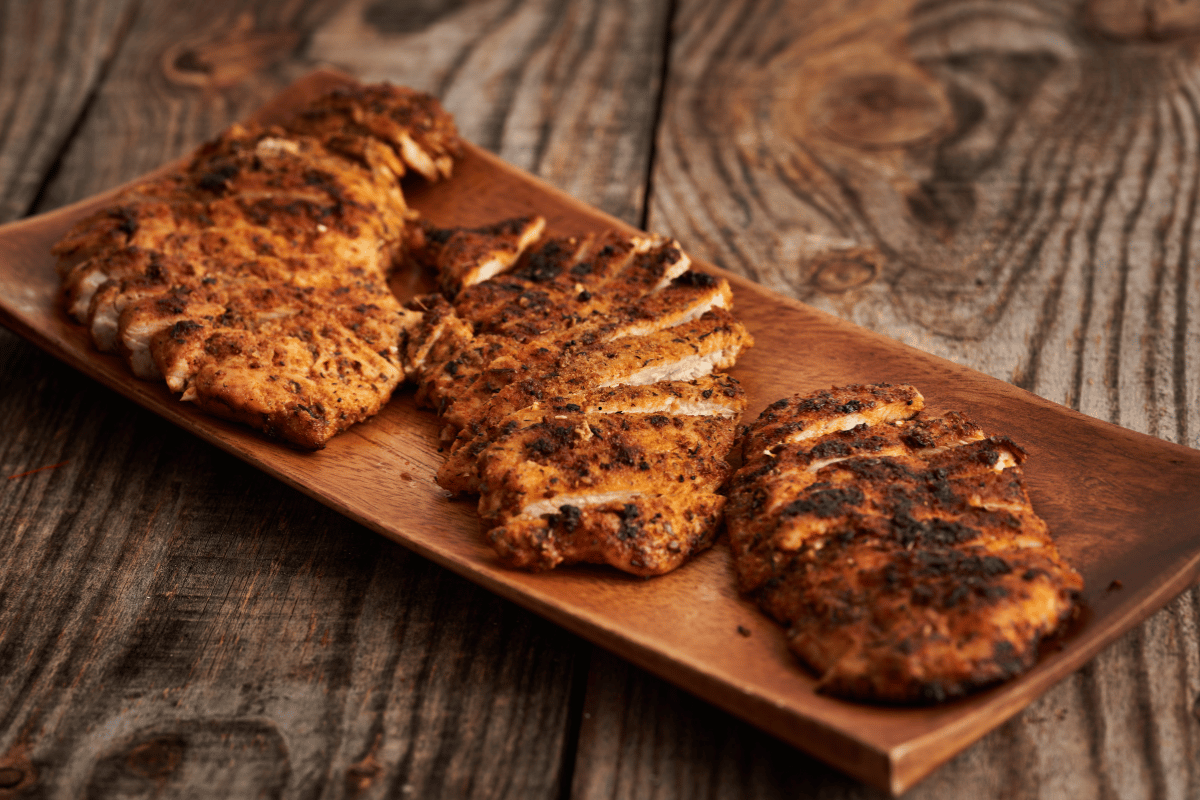
If you are interested in other ways cooking mistakes can affect your food, you can read my guide on Common Cooking Mistakes That Ruin Your Food and How to Fix Them.
How to Make Chicken Breast Moist for Meal Prep
Chicken is one of the easiest proteins to prepare ahead because it can be used in several different meals.
But dry chicken can make meal prep disappointing.
The first step is to avoid overcooking it during the original preparation.
After cooking, allow the chicken to cool appropriately before storing it in the refrigerator in a covered container.
When you are ready to eat, add a little sauce, dressing, broth, or another moist ingredient if needed.
You can turn one batch into several meals.
One day, serve it with rice and vegetables.
The next day, slice it into a salad.
Later in the week, add it to pasta or a wrap.
That kind of flexibility is one reason chicken breast is so useful for busy households.
For another quick family meal idea, my 20-Minute Pasta Recipes for Busy Weeknights includes a chicken Alfredo option alongside other simple dinners.
Once you have juicy chicken ready, you can use it in several quick meals, such as an easy chicken and vegetable stir-fry with colourful vegetables.
Can You Make Chicken Breast Soft and Juicy Without Brining?
Yes.
Brining can help, but it is not essential.
You can still get tender chicken by focusing on the basics:
- Keep the thickness even.
- Season the meat before cooking.
- Avoid excessive heat.
- Do not cook beyond the safe internal temperature.
- Let the meat rest.
- Slice it across the muscle fibres.
If you are in a hurry, these steps are much easier than preparing a brine.
For everyday cooking, I would rather have a simple method that I can repeat consistently than a complicated process that I only remember occasionally.
How to Make Chicken Breast Taste Good
Tenderness is only half the experience.
Chicken also needs enough flavour to make you want another bite.
Start with salt.
Then build from there.
Garlic, paprika, black pepper, onion powder, herbs, lemon, chilli, or a simple marinade can completely change the character of the meat.
You can also vary the seasoning depending on what you are serving.
For rice, try garlic, paprika, black pepper, and herbs.
For salad, lemon, garlic, and herbs work beautifully.
For pasta, Italian seasoning and garlic are simple choices.
For wraps, smoked paprika, cumin, and a little chilli can give the chicken more warmth.
The same basic ingredient can therefore become several different meals.
How to Store Cooked Chicken
Once your meal is finished, storage matters too.
Do not leave cooked chicken sitting out for an extended period.
Transfer leftovers into suitable containers and refrigerate them promptly.
Keep portions covered so the meat does not dry out or absorb unwanted smells from other foods in the refrigerator.
If you know you will not eat the chicken soon, freezing can be a practical option.
Divide larger batches into meal-sized portions before freezing. That makes it easier to take out only what you need later.
If you like preparing meals ahead of time, these easy freezer meal prep recipes can give you more ideas for making busy weeks easier.
A Few Last Tips Before You Cook
You do not need complicated equipment or a long list of ingredients to prepare good chicken breast.
Remember these simple points:
Even thickness: This helps the meat cook more evenly.
Good seasoning: Salt and a few basic spices can make a huge difference.
Controlled heat: Moderate cooking gives you better control.
Internal temperature: Use a thermometer instead of guessing.
Resting: Give the chicken a few minutes before slicing.
Correct slicing: Cut across the muscle fibres for a more tender bite.
Moisture: Sauces and dressings can make leftovers much more enjoyable.
Most importantly, don’t be afraid to adjust your method based on what you see in the kitchen.
If the outside is browning too quickly, lower the heat.
If the chicken is very thick, give yourself more cooking time.
If your slices are dry, check whether you may be cooking the meat beyond the temperature it needs to reach.
Cooking becomes easier when you start paying attention to those little signals.
Make Your Next Chicken Dinner Better
Learning how to make chicken breast juicy and tender changed the way I cook this simple ingredient.
I no longer believe that chicken needs complicated recipes to taste good. Often, the biggest improvement comes from simple habits: making the meat an even thickness, seasoning it properly, controlling the heat, checking the temperature, and allowing it to rest.
And that is one of the things I enjoy most about cooking.
You try something.
You notice what works.
You change one small thing the next time.
Eventually, the meal becomes easier and the results become more consistent.
If your chicken breast has been coming out dry, tough, or bland, try these methods with your next batch. Then visit AmyBenBlog for more simple cooking tips and easy family recipes, share this guide with someone who struggles with dry chicken, and let me know which tip made the biggest difference in your kitchen. Happy cooking!
Amity Nwoye is the creator of amybenblog, where she shares easy recipes, practical cooking tips, meal planning ideas, and money-saving kitchen hacks. She is passionate about helping home cooks prepare delicious meals with confidence, whether they’re beginners or experienced in the kitchen. Through simple, family-friendly advice, Amity makes cooking more enjoyable, affordable, and stress-free.