Essential cooking tips for beginners can make learning your way around the kitchen much less overwhelming. Cooking can feel intimidating when you’re just starting out.
You might worry about overcooking your food, following recipes incorrectly, or simply not knowing where to begin.
The good news is that every confident home cook started exactly where you are now, with little experience but a willingness to learn.
I still remember my first attempt at making a simple meal. I was so focused on following the recipe word for word that I forgot to prepare the ingredients beforehand.
By the time I reached the second step, I was rushing to chop onions while the oil in the pan was already too hot.
The result wasn’t terrible, but it taught me an important lesson: good cooking isn’t just about recipes, it’s about preparation, patience, and a few simple techniques that make everything easier.
The beauty of cooking is that it’s a skill anyone can learn. You don’t need expensive kitchen gadgets or professional training to prepare delicious meals.
A few practical habits can make your time in the kitchen less stressful, help you avoid common mistakes, and give you the confidence to try new recipes.
If you’re just getting started, you may also enjoy our guide on Easy Cooking Tips Every Beginner Should Know, where you’ll find even more practical advice to help you build confidence in the kitchen.
In this guide, you’ll discover 50 essential cooking tips every beginner should know.
Whether you’re preparing your very first meal or looking to improve your kitchen skills, these tips will help you cook smarter, save time, reduce waste, and enjoy the process a lot more.
Let’s get started.
Why Essential Cooking Tips for Beginners Matter
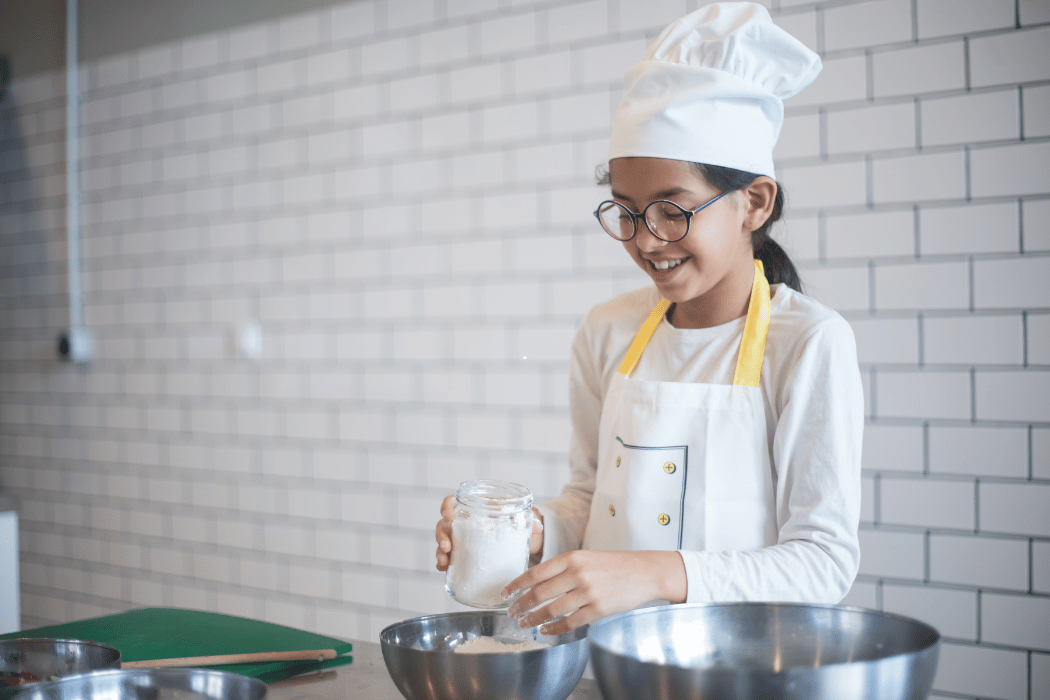
Learning how to cook is about more than just making food. It’s a life skill that saves money, gives you control over what you eat, and allows you to prepare meals that suit your taste and dietary needs.
When you know your way around the kitchen, you’ll likely rely less on takeout, waste fewer ingredients, and feel more comfortable experimenting with new recipes. Even mastering a handful of basic techniques can make everyday cooking faster and more enjoyable.
Remember, no one becomes an excellent cook overnight. The goal isn’t perfection—it’s progress. Every meal you prepare teaches you something new.
1. Read the Entire Recipe Before You Start
One of the biggest mistakes beginners make is reading a recipe one step at a time while cooking.
Instead, read the entire recipe from beginning to end before you even gather your ingredients.
Doing this helps you:
- Understand the cooking process.
- Know how long each step will take.
- Spot ingredients that need to be prepared ahead of time.
- Avoid unpleasant surprises halfway through cooking.
Imagine baking a cake only to realize halfway through that the butter should have been softened an hour earlier. Reading the recipe first helps you avoid situations like this.
One of the most essential cooking tips for beginners is reading the recipe before you start cooking.
2. Gather All Your Ingredients Before Cooking
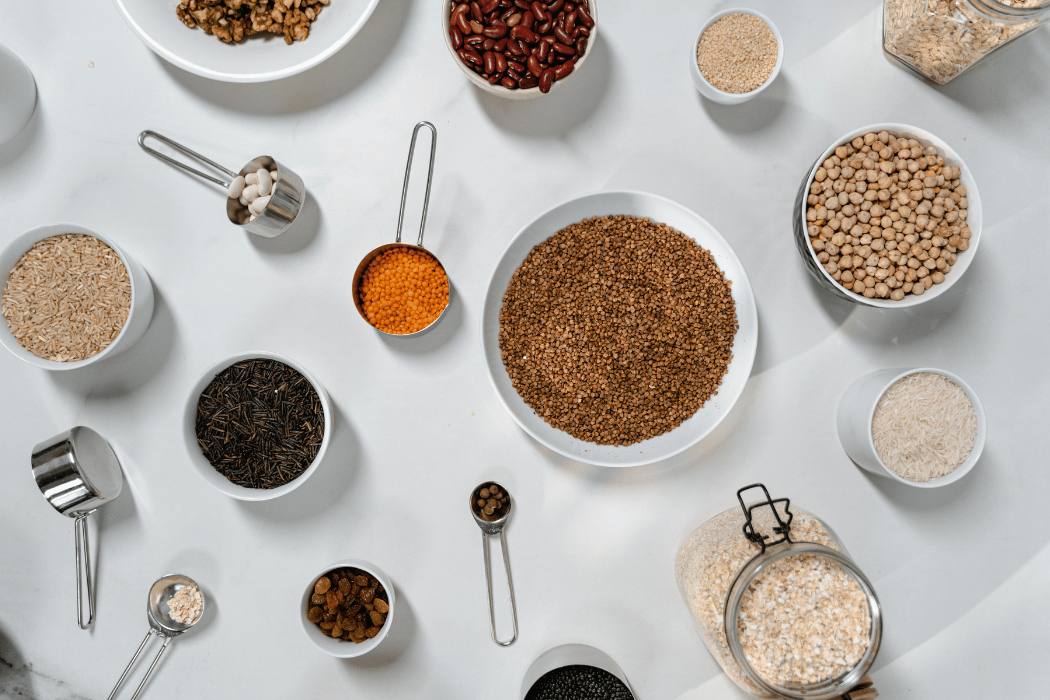
Professional chefs often prepare every ingredient before turning on the stove. This practice is known as mise en place, a French term meaning “everything in its place.”
While you don’t need to use the French term, adopting the habit can make cooking much easier.
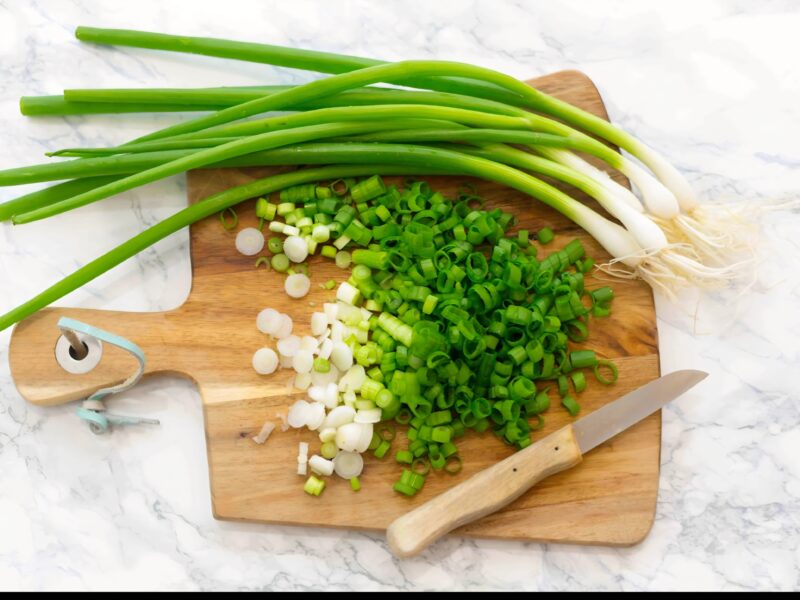
Wash vegetables, measure spices, chop onions, and prepare everything before you begin cooking.
This simple step:
- Reduces stress.
- Prevents forgetting ingredients.
- Helps you cook more efficiently.
- Lowers the chance of burning food while you’re busy preparing something else.
3. Keep Your Kitchen Clean as You Cook
Cleaning up after cooking is much easier when you’ve been tidying along the way.
Instead of letting dirty bowls, spoons, and cutting boards pile up, wash or rinse them while food is simmering or baking.
You’ll finish cooking with a cleaner kitchen and spend far less time washing dishes afterward.
A clean workspace also makes cooking safer by reducing clutter and helping you stay organized.
4. Learn How to Use a Sharp Knife Safely
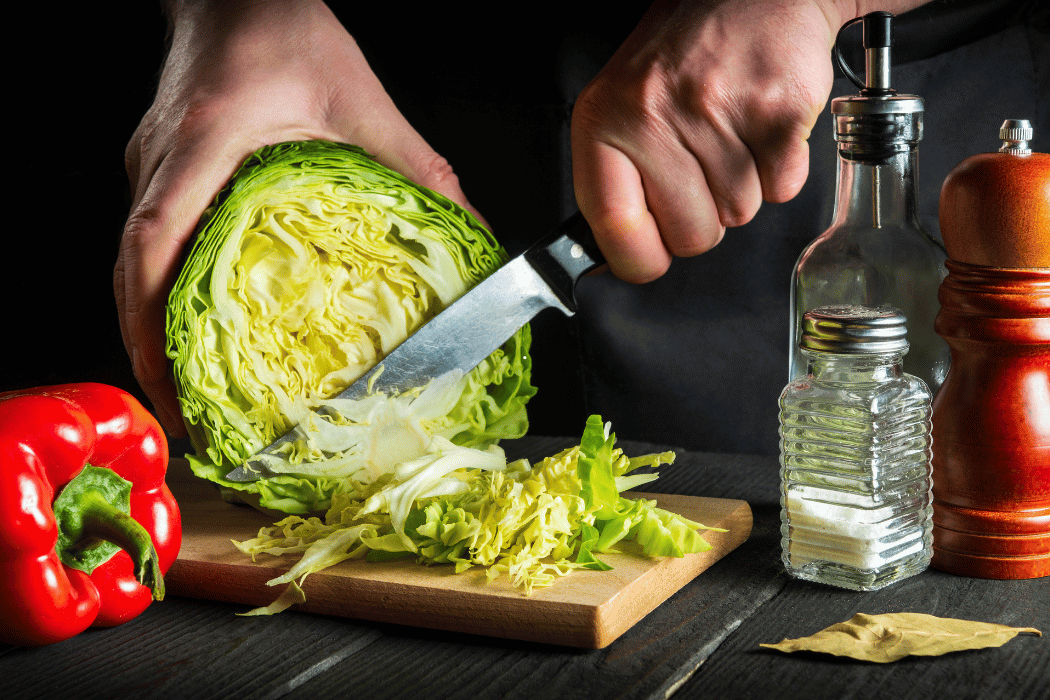
Many beginners think dull knives are safer.
In reality, the opposite is true.
A sharp knife cuts smoothly through food with less force, making it easier to control. Dull knives often slip because they require extra pressure.
Some basic knife safety tips include:
- Always cut on a stable cutting board.
- Curl your fingers slightly inward when holding food.
- Cut away from your body whenever possible.
- Keep your knives clean and dry.
Learning proper knife skills not only improves safety but also speeds up meal preparation.
5. Taste Your Food as You Cook
Don’t wait until the meal is finished to find out if it needs more seasoning.
Taste your food throughout the cooking process whenever it’s safe to do so.
You might discover that it needs:
- A little more salt.
- More herbs.
- Extra acidity from lemon juice.
- A touch of sweetness.
- A little more cooking time.
Making small adjustments along the way produces much better results than trying to fix everything at the end.
6. Don’t Rush the Cooking Process
Good food often takes time.
One common mistake beginners make is turning the heat up too high because they’re in a hurry.
High heat doesn’t always cook food faster—it often burns the outside while leaving the inside undercooked.
Instead:
- Follow the recommended cooking temperature.
- Allow meat to brown naturally.
- Let soups and sauces simmer gently.
- Give vegetables enough time to cook evenly.
Patience usually produces better flavor and texture.
Among the essential cooking tips for beginners, learning patience in the kitchen is one of the most valuable.
7. Season Food Gradually
Adding too much seasoning at once can ruin a dish.
Instead, season in small amounts and taste as you go.
It’s easy to add more salt or spices later.
It’s much harder to remove them once they’re already in the pot.
This simple habit helps you develop a better understanding of different flavors over time.
8. Preheat Your Pan Before Adding Food
Whether you’re frying vegetables or searing chicken, preheating your pan makes a noticeable difference.
A properly heated pan:
- Helps food cook evenly.
- Reduces sticking.
- Creates better browning.
- Improves flavor.
To test if the pan is ready, sprinkle a tiny drop of water onto the surface. If it sizzles and quickly evaporates, the pan is usually hot enough.
9. Dry Meat Before Cooking
Moisture is the enemy of a good sear.
If meat is wet when it goes into the pan, it tends to steam instead of brown.
Before cooking:
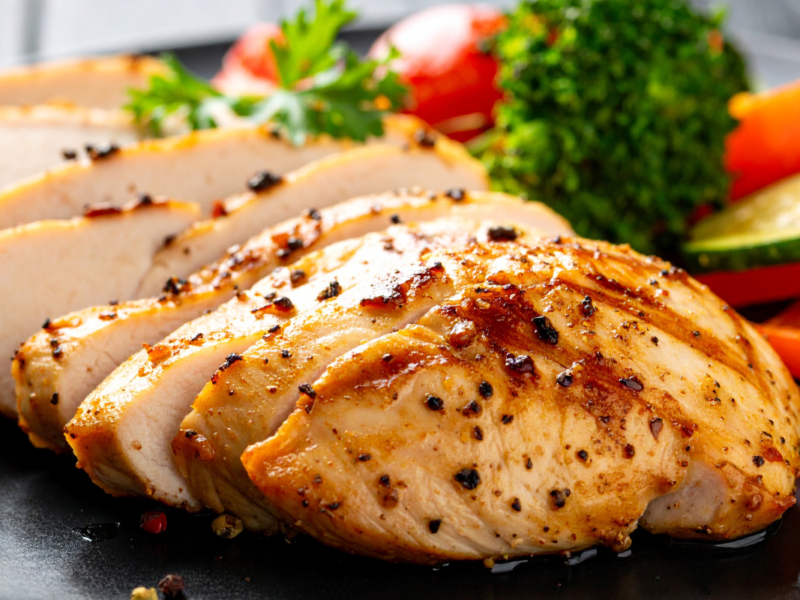
- Pat chicken, beef, pork, or fish dry with paper towels.
- Season after drying.
- Place it into the hot pan without overcrowding.
You’ll get a richer color and better flavor.
10. Avoid Overcrowding the Pan
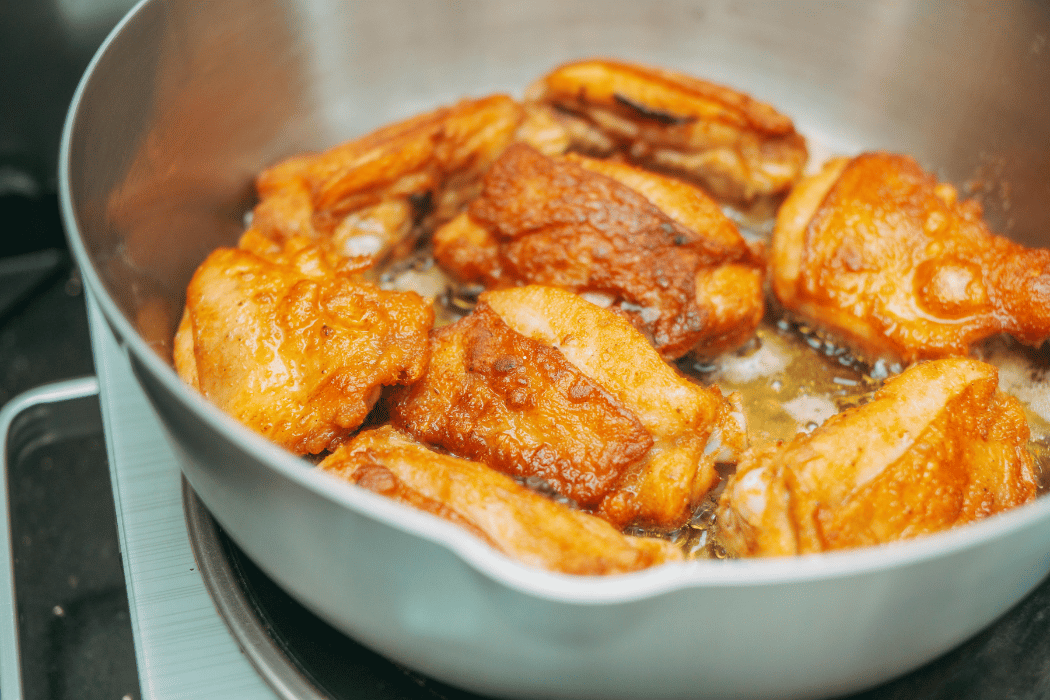
It’s tempting to cook everything at once, especially when you’re hungry.
However, placing too much food in the pan lowers the temperature.
Instead of browning, your food begins steaming.
Cook in batches if necessary.
Although it takes a little longer, the results are worth it.
11. Essential Cooking Tips for Beginners: Keep Basic Pantry Staples at Home
A well-stocked pantry makes cooking easier and reduces last-minute grocery trips.
Some useful staples include:
- Rice
- Pasta
- Cooking oil
- Salt
- Black pepper
- Garlic
- Onions
- Flour
- Sugar
- Canned tomatoes
- Beans
- Stock cubes or broth
Having these ingredients on hand allows you to prepare simple meals even when your refrigerator is nearly empty.
Once you have a well-stocked pantry, planning meals becomes much easier. You may also enjoy our guide on healthy meal prep ideas for families, where you’ll find simple ways to save time and stretch your grocery budget.
Keeping a stocked pantry is one of the essential cooking tips for beginners because it makes meal preparation much easier.
12. Learn the Difference Between Simmering and Boiling
Many beginners confuse these two cooking methods.
A boil produces large, rolling bubbles and is ideal for cooking pasta or potatoes.
A simmer creates smaller, gentler bubbles and is perfect for soups, sauces, and stews.
Cooking delicate foods at a full boil can make them tough or cause sauces to reduce too quickly.
Knowing when to simmer instead of boil can greatly improve your cooking.
13. Use Fresh Herbs at the Right Time
Fresh herbs add wonderful flavor, but timing matters.
Soft herbs like parsley, basil, cilantro, and dill are best added near the end of cooking to preserve their flavor and color.
Hard herbs like rosemary, thyme, and oregano can be added earlier because they hold up well during longer cooking times.
Understanding this simple difference can make your meals taste fresher and more balanced.
14. Let Meat Rest Before Slicing
After cooking meat, resist the temptation to cut into it immediately.
Allow it to rest for a few minutes.
During this time, the juices redistribute throughout the meat.
If you slice it too soon, many of those juices run onto the cutting board instead of staying inside the meat.
The result is drier meat and less flavor.
A few minutes of patience can make a noticeable difference.
15. Don’t Be Afraid of Frozen Vegetables
Many people assume frozen vegetables are less nutritious than fresh ones.
In reality, they’re often frozen shortly after harvesting, which helps preserve many of their nutrients.
Frozen vegetables are:
- Convenient
- Affordable
- Available year-round
- Great for quick meals
They’re an excellent option for beginners who want healthy ingredients without worrying about spoilage.
Frozen vegetables are also perfect for preparing meals ahead of time. If you’re looking for more make-ahead inspiration, check out our Easy Freezer Meal Prep Recipes for Busy Families.
16. Label Leftovers Before Refrigerating
It’s surprisingly easy to forget when leftovers were made.
Before placing food in the refrigerator or freezer, label the container with:
- The name of the dish
- The date it was cooked
This simple habit helps reduce food waste and makes meal planning much easier later in the week.
17. Practice One New Skill at a Time
You don’t have to master everything in a single week.
Instead, focus on improving one skill at a time.
For example:
- Learn how to chop onions properly.
- Practice cooking fluffy rice.
- Master scrambled eggs.
- Learn how to roast vegetables.
- Improve your knife skills.
Small improvements build confidence, and before long, you’ll notice that cooking feels much more natural.
18. Choose the Right Pan for the Job
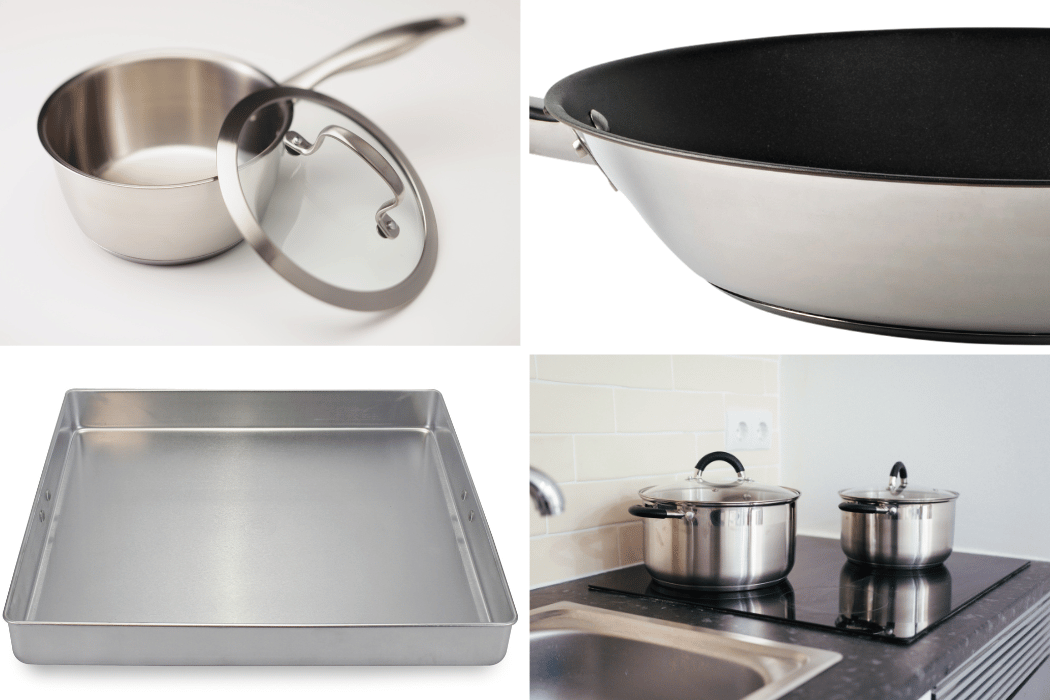
Not every pan is designed for every type of cooking, and using the wrong one can affect the outcome of your meal.
As a beginner, you don’t need a kitchen full of cookware. A few quality pieces will handle most recipes.
Here are the basics:
- Non-stick pans are great for eggs, pancakes, and delicate foods.
- Stainless steel pans work well for browning meat and making sauces.
- Cast iron skillets retain heat for a long time, making them excellent for searing and roasting.
- Saucepans are ideal for soups, sauces, and boiling foods.
Using the right cookware helps food cook evenly and makes cleanup much easier.
Choosing the right cookware is one of the essential cooking tips for beginners that can improve cooking results immediately.
19. Keep Your Spices Fresh
Spices don’t spoil quickly, but they do lose their flavor over time.
If your paprika, cinnamon, or black pepper has been sitting in your cupboard for years, it probably won’t add much flavor to your food.
Store spices in a cool, dry place away from direct sunlight and heat.
Whenever possible:
- Keep lids tightly closed.
- Avoid storing spices above the stove where steam can affect them.
- Replace old spices when they no longer have a strong aroma.
Fresh spices make a noticeable difference in the taste of your meals.
20. Learn to Cook Eggs in Different Ways
Eggs are one of the best foods for beginner cooks because they’re affordable, nutritious, and incredibly versatile.
Practice making:
- Scrambled eggs
- Fried eggs
- Boiled eggs
- Poached eggs
- Omelets
Each method teaches useful cooking techniques such as temperature control and timing.
Once you’re comfortable cooking eggs, many other recipes will feel much easier.
Once you’ve mastered the basics of cooking, you can expand your kitchen skills by trying something sweet. Our Simple Homemade Desserts Perfect for Beginners is filled with easy treats that are just as beginner-friendly.
21. Don’t Skip Preheating the Oven
If a recipe says to preheat the oven, don’t ignore that step.
Putting food into a cold oven can affect cooking time, texture, and even baking results.
Always allow your oven to reach the correct temperature before placing food inside.
Most ovens have an indicator light or sound that tells you when they’re ready.
A properly preheated oven helps food cook evenly from start to finish.
22. Measure Ingredients Carefully When Baking
Cooking often allows room for creativity.
Baking usually doesn’t.
Breads, cakes, muffins, and cookies rely on precise measurements because baking is based on chemical reactions.
Too much flour can make baked goods dry.
Too little baking powder may prevent them from rising.
Use measuring cups and spoons whenever possible, and level off dry ingredients instead of guessing.
Accuracy leads to better results.
23. Essential Cooking Tips for Beginners: Learn Basic Food Safety
Good cooking also means preparing food safely.
Some simple habits include:
- Wash your hands before cooking.
- Wash fruits and vegetables before eating or cooking them.
- Use separate cutting boards for raw meat and fresh produce if possible.
- Refrigerate leftovers promptly.
- Avoid leaving cooked food at room temperature for long periods.
These small practices help reduce the risk of foodborne illness and keep your kitchen safe.
For more information on safe food handling, storage, and preventing foodborne illness, visit the FoodSafety.gov Food Safety guide.
Food safety is one of the essential cooking tips for beginners that should never be overlooked.
24. Don’t Throw Away Vegetable Scraps Too Quickly
Before tossing vegetable peels, stems, and trimmings into the bin, think about whether they can be used.
Carrot peels, celery ends, onion skins, and herb stems can be saved in the freezer and later turned into homemade vegetable stock.
This helps:
- Reduce food waste.
- Save money.
- Add extra flavor to soups and stews.
It’s a simple habit that makes your kitchen more efficient.
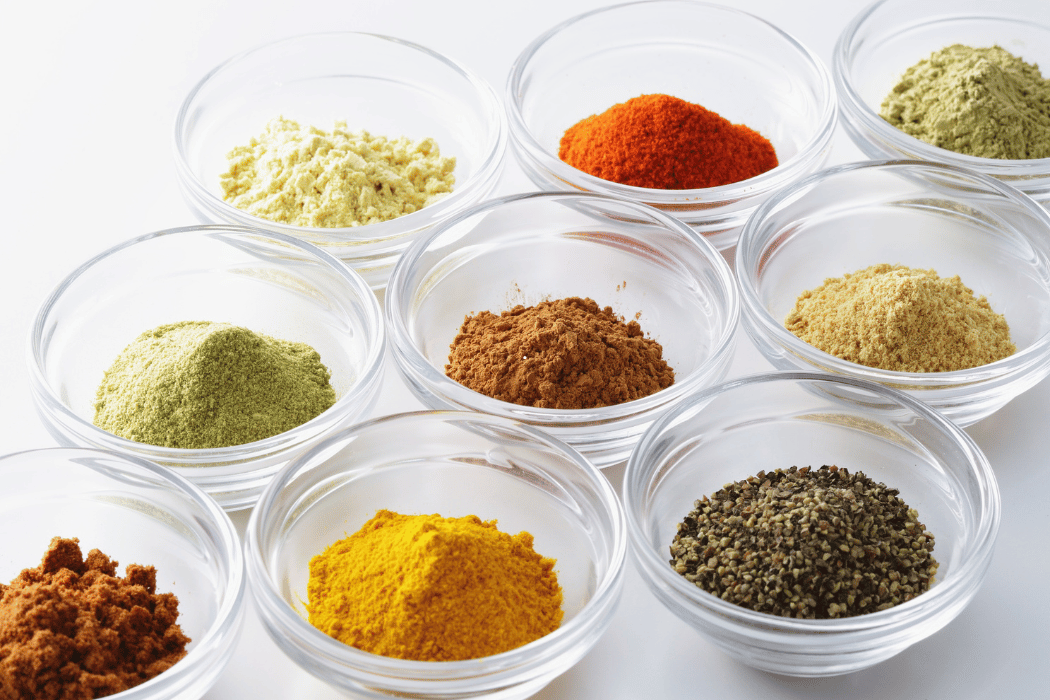
25. Learn to Balance Flavors
A delicious meal usually contains a balance of flavors rather than one overpowering taste.
The five basic tastes are:
- Sweet
- Salty
- Sour
- Bitter
- Umami (a rich, savory flavor found in foods like mushrooms, tomatoes, cheese, and soy sauce)
For example, if a tomato sauce tastes too acidic, adding a small pinch of sugar can help balance it.
If a soup tastes flat, a squeeze of lemon juice may brighten the flavor.
Learning how different tastes work together is one of the most valuable cooking skills you can develop.
26. Keep Your Refrigerator Organized
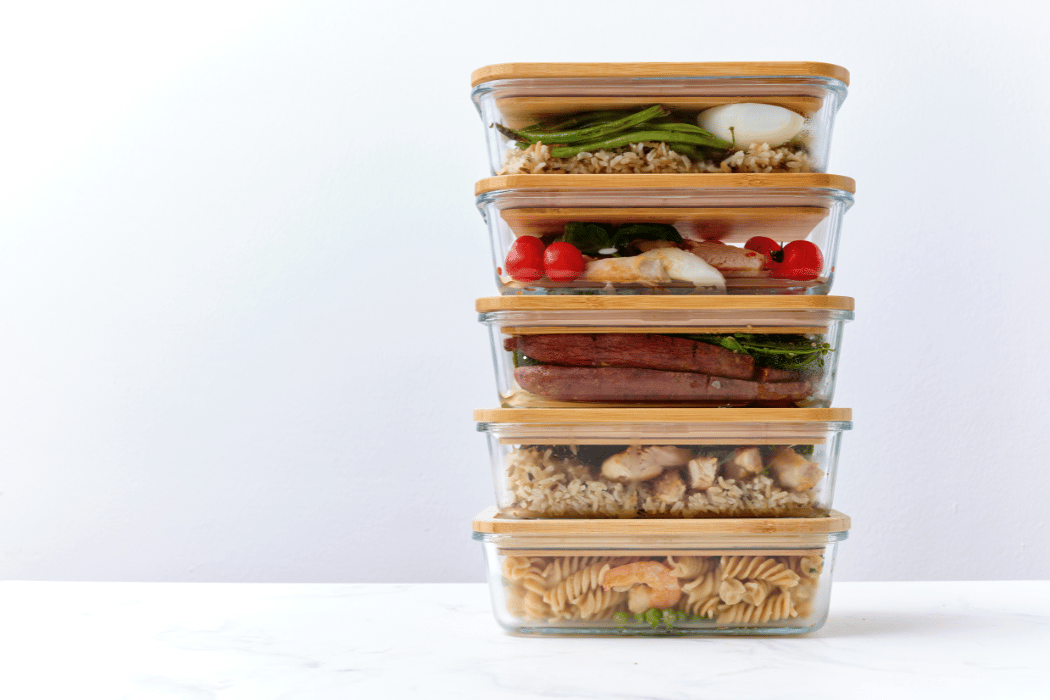
An organized refrigerator helps prevent forgotten food from spoiling.
Try storing foods in clear containers so you can easily see what’s available.
Place older items near the front and newer groceries behind them.
This simple “first in, first out” approach helps reduce waste and saves money over time.
27. Taste New Ingredients
One of the best ways to become a better cook is to understand the ingredients you’re using.
If you’ve never cooked with cumin, smoked paprika, fresh basil, or ginger, taste a small amount before adding it to your dish.
Knowing how an ingredient tastes on its own makes it easier to decide how much to use.
Cooking becomes much less intimidating when you’re familiar with your ingredients.
28. Don’t Overcook Vegetables
Many beginners cook vegetables for far too long.
Overcooked vegetables often lose their bright color, crisp texture, and some of their nutrients.
Instead, cook vegetables until they’re tender but still slightly firm.
This keeps them more flavorful and visually appealing.
Steaming, roasting, or lightly sautéing vegetables are excellent methods for preserving both taste and texture.
29. Learn How to Roast Vegetables
Roasting is one of the easiest ways to make vegetables taste amazing.
Simply:
- Cut vegetables into similar-sized pieces.
- Toss them with a little oil.
- Add salt, pepper, and your favorite herbs.
- Roast until lightly browned.
Vegetables such as carrots, broccoli, potatoes, cauliflower, zucchini, and bell peppers become sweeter and more flavorful when roasted.
It’s an easy technique that works with many different meals.
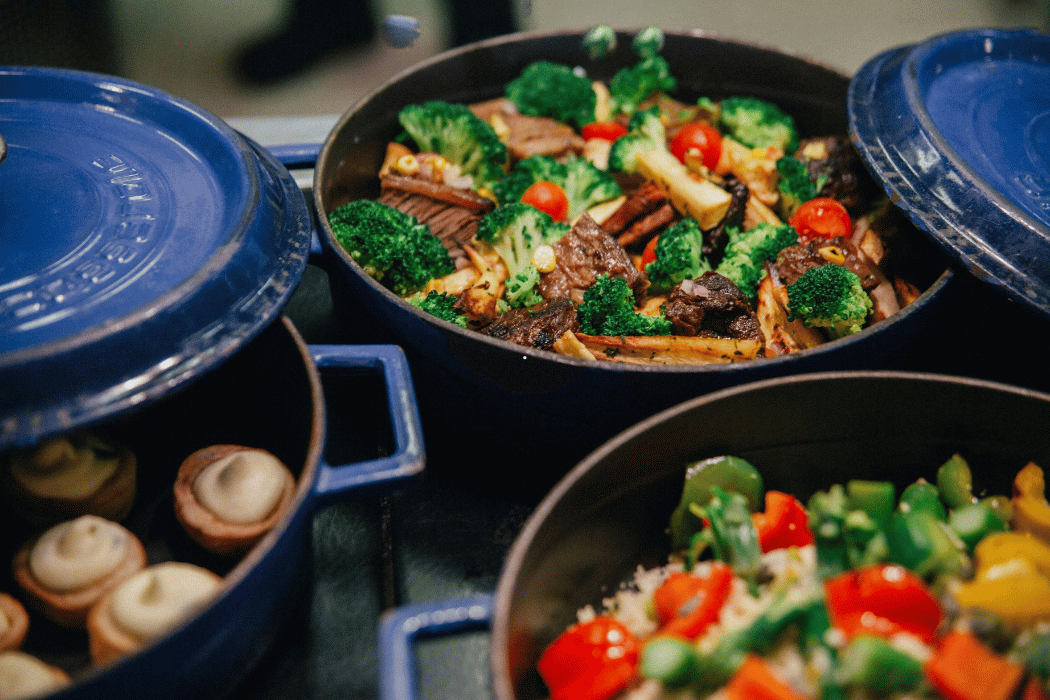
Roasted vegetables pair well with many quick dinners. If you need more simple meal ideas, browse our collection of easy one-pot dinner recipes that are perfect for busy weeknights.
30. Save Leftovers for Another Meal
Leftovers don’t have to be boring.
With a little creativity, yesterday’s dinner can become today’s lunch or even a completely new meal.
For example:
- Roast chicken can become chicken sandwiches or wraps.
- Cooked rice can be turned into fried rice.
- Leftover vegetables can be added to soups or omelets.
- Mashed potatoes can become potato cakes.
Repurposing leftovers reduces food waste and saves both time and money.
31. Learn Basic Knife Cuts
You don’t need fancy knife skills, but learning a few basic cuts makes cooking easier and helps food cook evenly.
Practice:
- Dicing
- Slicing
- Chopping
- Mincing
- Julienne (thin matchstick strips)
When ingredients are cut into similar sizes, they cook at roughly the same rate.
This leads to better-looking and better-tasting meals.
Learning basic knife cuts is another of the essential cooking tips for beginners that makes meal preparation easier.
32. Keep a Few Quick Recipes in Your Collection
Not every day allows time for elaborate cooking.
Having five or six reliable recipes you can prepare in under 30 minutes is incredibly helpful.
Examples include:
- Vegetable stir-fry
- Pasta with tomato sauce
- Fried rice
- Omelets
- Chicken and vegetables
- Bean stew
These simple meals can save you from ordering takeout on busy days.
33. Learn How to Cook Rice Properly
Rice is a staple food in many homes, yet it’s surprisingly easy to get wrong.
Follow the cooking instructions for the type of rice you’re using, and avoid lifting the lid repeatedly while it cooks.
Once the rice is done, let it rest for a few minutes before fluffing it gently with a fork.
This helps produce lighter, fluffier rice instead of a sticky or mushy texture.
34. Don’t Ignore the Importance of Presentation
People often eat with their eyes first.
Even a simple meal feels more enjoyable when it’s presented neatly.
You don’t need restaurant-level plating.
Instead:
- Wipe spills from the edge of the plate.
- Add a sprinkle of fresh herbs.
- Use colorful vegetables.
- Arrange food neatly instead of piling everything together.
Small details can make homemade meals look far more appealing.
35. Practice Regularly
Like any skill, cooking improves with practice.
Don’t be discouraged if your first few meals aren’t perfect.
Every experienced cook has burned toast, overcooked pasta, forgotten ingredients, or made recipes that didn’t turn out as expected.
The important thing is to keep learning.
Try to:
- Try one new recipe each week.
- Experiment with different herbs and spices.
- Practice techniques you’ve recently learned.
Over time, you’ll become faster, more confident, and more creative in the kitchen.
Every meal is another opportunity to improve.
Before long, you’ll notice that cooking no longer feels like a challenge,it becomes an enjoyable part of your daily routine.
The more you cook, the more confident you’ll become. Ready to practice? Try this Marry Me Chicken Pasta recipe, an easy dish that’s perfect for building your kitchen skills.
36. Keep Your Knives Sharp
A sharp knife makes cooking faster, easier, and safer.
Many beginners believe dull knives are safer because they seem less dangerous, but dull blades often slip while cutting, increasing the risk of injury.
To keep your knives in good condition:
- Wash and dry them immediately after use.
- Store them in a knife block, sheath, or magnetic strip.
- Sharpen them regularly.
A well-maintained knife makes chopping vegetables, slicing meat, and preparing ingredients much more enjoyable.
37. Buy the Best Ingredients You Can Afford
You don’t need the most expensive ingredients to cook delicious meals.
However, choosing fresh, good-quality ingredients whenever possible will improve the taste of your food.
When shopping:
- Pick firm vegetables.
- Choose fruits without bruises.
- Check expiration dates.
- Buy fresh herbs when your recipe depends on their flavor.
Simple recipes often rely on quality ingredients, so choosing fresh produce can make a noticeable difference.
38. Learn to Adjust Recipes
Recipes are excellent guides, but they don’t have to be followed exactly every time.
As your confidence grows, you’ll learn how to make small adjustments based on what you have available.
For example:
- Replace spinach with kale.
- Use yogurt instead of sour cream.
- Swap one herb for another with a similar flavor.
- Adjust spice levels to suit your taste.
Being flexible in the kitchen reduces stress and helps you make the most of the ingredients you already have.
39. Don’t Be Afraid to Make Mistakes
Every cook makes mistakes.
Maybe you’ve added too much salt, burned a batch of cookies, or forgotten an ingredient.
Instead of feeling discouraged, treat every mistake as a learning experience.
Ask yourself:
- What went wrong?
- What would I do differently next time?
Some of the best cooks became skilled because they learned from trial and error.
Remember, mistakes are part of the learning process.
Every mistake is a chance to improve. You can also read about common cooking mistakes to avoid so you’ll know what to watch out for the next time you cook.
40. Essential Cooking Tips for Beginners: Learn Basic Cooking Methods
You don’t need to master hundreds of recipes.
Instead, focus on learning a few essential cooking methods.
These include:
- Boiling
- Steaming
- Roasting
- Grilling
- Frying
- Sautéing
- Baking
- Braising
Once you understand these techniques, you’ll find it much easier to prepare a wide variety of meals.
Mastering these cooking methods is one of the most valuable essential cooking tips for beginners.
41. Keep a Cooking Notebook
One of the easiest ways to improve is by keeping notes.
Write down:
- Recipes your family enjoyed.
- Ingredient substitutions that worked well.
- Cooking times.
- Seasoning adjustments.
- New techniques you’ve learned.
Over time, you’ll build your own personalized cooking guide that reflects your tastes and experiences.
42. Organize Your Pantry
A cluttered pantry often leads to wasted food and duplicate purchases.
Spend a little time organizing your shelves.
Group similar items together, such as:
- Baking supplies
- Pasta and rice
- Canned goods
- Spices
- Breakfast items
Clear containers and labels can also help you quickly see what you have before shopping.
An organized pantry saves both time and money.
43. Learn to Cook Without Constantly Looking at the Clock
While timing is important, learning to recognize visual and physical signs of doneness is even more valuable.
For example:
- Vegetables become bright in color and slightly tender.
- Chicken should no longer be pink inside.
- Pasta should be tender but still slightly firm.
- Pancakes are ready to flip when bubbles appear on the surface.
Developing this awareness helps you become a more confident cook.
44. Keep Simple Kitchen Tools Within Reach
You don’t need expensive gadgets to cook well.
Some of the most useful kitchen tools include:
- Measuring cups and spoons
- Mixing bowls
- Wooden spoon
- Whisk
- Vegetable peeler
- Colander
- Cutting board
- Chef’s knife
- Food thermometer
Start with the basics and add more tools as your cooking skills grow.
45. Double Recipes When It Makes Sense
If you’re already spending time preparing dinner, consider making extra.
Double recipes that freeze well, such as:
- Soups
- Stews
- Chili
- Pasta sauce
- Curry
Freeze individual portions for busy days when you don’t have time to cook.
Future you will be grateful.
46. Learn How to Use Herbs and Spices Together
Herbs and spices can completely transform a meal.
Some popular combinations include:
- Garlic, thyme, and rosemary for roasted chicken.
- Basil and oregano for Italian dishes.
- Cumin, paprika, and coriander for hearty stews.
- Ginger and garlic for many Asian-inspired meals.
Start with small amounts and gradually adjust until you find combinations you enjoy.
47. Trust Your Senses
Recipes are helpful, but your senses are equally important.
Pay attention to:
- How food smells.
- Changes in color.
- Texture.
- Sounds while cooking.
- Taste.
For example, onions become sweeter as they cook and change from white to golden brown.
Learning to observe these changes will make you a better cook than relying on timers alone.
48. Cook More Often Than You Eat Out
The more frequently you cook, the faster your skills improve.
Cooking at home also allows you to:
- Control ingredients.
- Reduce salt and sugar.
- Save money.
- Prepare healthier meals.
Even preparing two or three home-cooked meals each week can make a big difference.
49. Cook for Enjoyment, Not Perfection
Social media often shows beautifully styled meals that can make beginners feel intimidated.
Remember that real home cooking doesn’t have to look perfect.
Focus on creating meals that are:
- Delicious
- Nutritious
- Enjoyable
- Shared with the people you love
Confidence grows through practice, not perfection.
50. Never Stop Learning
Cooking is a lifelong journey.
There’s always a new recipe to try, a technique to master, or an ingredient to discover.
Read cookbooks, watch cooking demonstrations, experiment with different cuisines, and challenge yourself to prepare something new every now and then.
Every meal is another opportunity to become a better home cook.
The most important step is simply getting started.
Related Articles You May Enjoy
If you found these beginner cooking tips helpful, you may also enjoy these practical guides on amybenblog:
- 50 Easy Back-to-School Lunch Ideas Kids Will Actually Eat
- 25 Fast Lunch Ideas for Adults (Ready in 15 Minutes or Less)
- How to Make Restaurant Style Fried Rice at Home
- Easy Nigerian Jollof Rice Recipe for Beginners (Step-by-Step Guide)
- 15 Cheap Chicken Recipes for Weeknight Dinners
These articles are packed with practical advice to help you spend less time worrying in the kitchen and more time enjoying homemade meals.
We hope these essential cooking tips for beginners help you become more confident in the kitchen.
These essential cooking tips for beginners are designed to help you build confidence one meal at a time.
Some recipes will turn out better than others, and that’s perfectly normal.
Every mistake teaches you something valuable, while every success motivates you to keep going. Start by applying one or two tips from this guide, then gradually add more as they become second nature.
Before long, you’ll notice that preparing meals feels less overwhelming and much more enjoyable. With patience, curiosity, and regular practice, you’ll develop skills that will serve you for years to come.
Happy cooking!
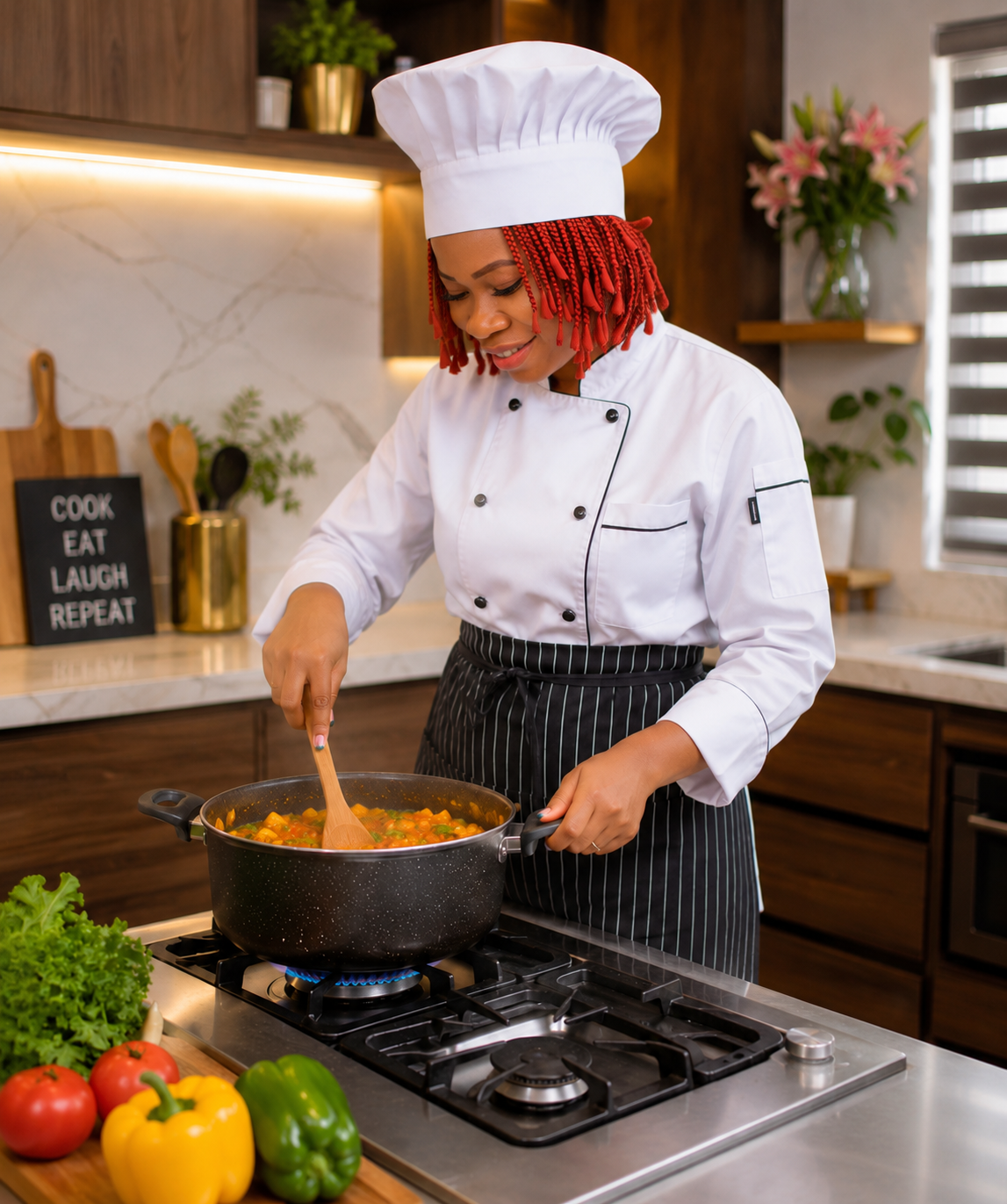
Amity Nwoye is the creator of amybenblog, where she shares easy recipes, practical cooking tips, meal planning ideas, and money-saving kitchen hacks. She is passionate about helping home cooks prepare delicious meals with confidence, whether they’re beginners or experienced in the kitchen. Through simple, family-friendly advice, Amity makes cooking more enjoyable, affordable, and stress-free.